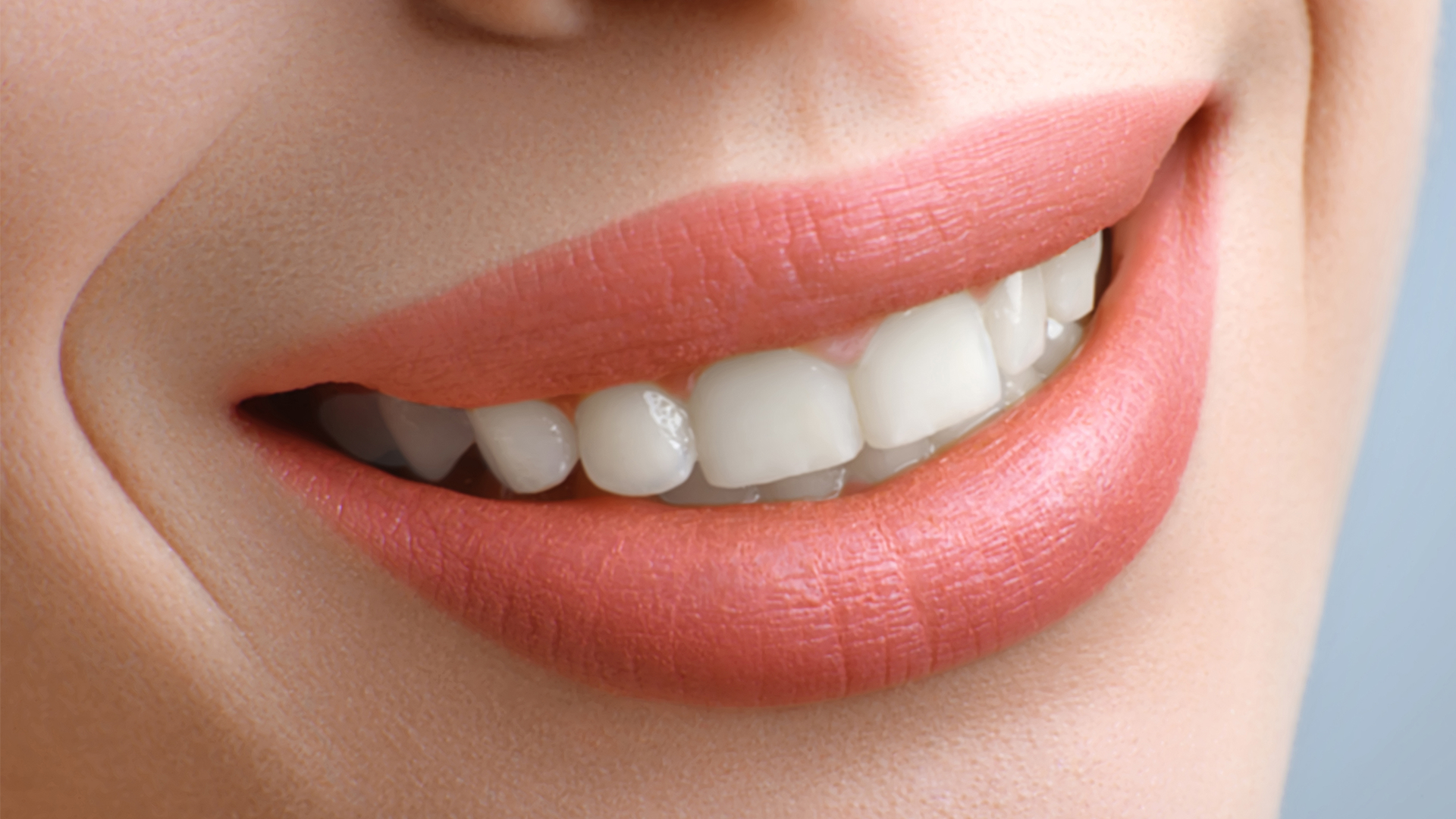
Yes, teeth whitening works, but only real bleaching lightens the tooth itself, and that means a peroxide-based product. Professional whitening done through a dentist is the most effective and the safest option, because the strength and your gums are properly managed. Whitening toothpastes and charcoal only lift surface stains, they do not bleach, and some do-it-yourself methods can actually damage your teeth. Results are not permanent either, lasting anywhere from several months to a couple of years depending on your habits. Here is the honest picture of what works, what is safe, and how to keep your smile bright.
What actually works
Not all whitening is equal. Here are the options, strongest to weakest.
Professional in-chair whitening is the fastest and most dramatic. A dentist applies a strong peroxide gel, often with a light, and you leave after one visit noticeably whiter. It is the go-to when you want a real change quickly, and at Kaleen Family Dental Surgery this is part of our whitening and cosmetic services.
Dentist take-home kits use custom-fitted trays and a professional-grade gel you wear at home over one to two weeks. They work gradually but reach a similar result, and many people like the control. Because the trays fit your teeth exactly, the gel stays where it should and off your gums.
Over-the-counter strips and kits contain lower concentrations of peroxide. They can lighten teeth modestly and suit minor touch-ups, but the results are gentler and less even than professional options, partly because one-size trays fit no one perfectly.
Whitening toothpaste does not bleach at all. It uses mild abrasives to polish away surface stains, which keeps teeth looking fresh but cannot change their underlying colour. Think of it as maintenance, not whitening.
DIY methods like charcoal, baking soda, or lemon juice are where the trouble starts. Charcoal and baking soda are abrasive and can wear enamel over time, and lemon juice is acidic enough to soften it. They may scrub off some surface stain, but they do not truly whiten and can leave teeth looking worse in the long run.
What is safe, and what is not
Whitening is safe when it is done properly. Under a dentist, the main side effects are temporary tooth sensitivity and mild gum irritation, both of which settle within a day or two. Because a dentist checks your teeth first and protects your gums, the risks are well managed.
The unsafe territory is DIY and unregulated products. Abrasive scrubs and acidic home remedies thin the enamel that keeps teeth looking white, which is self-defeating. And some whitening products bought online contain peroxide at strengths that are not meant for unsupervised use. In Australia, higher-strength whitening agents are restricted to registered dental professionals for good reason, so a very cheap, very strong kit from overseas is a red flag rather than a bargain. If a product promises dramatic results with no dentist involved, be cautious.
What whitening cannot do
This is the part that saves disappointment. Whitening only lightens natural tooth enamel. It will not change the colour of crowns, veneers, or fillings, so if you have dental work on your front teeth, it may end up a different shade to the whitened teeth around it, something to plan with your dentist.
Whitening also struggles with certain stains. As healthdirect notes, if the discolouration comes from deep inside the tooth, a gel applied to the outside will not fix it. Deep or internal staining, such as from an old injury or certain medications, may need a different approach like internal whitening, a veneer, or a crown. A quick assessment tells you what is realistic for your teeth.
How to maintain a bright smile
Whitening is not a one-and-done. How long it lasts comes down to what you do afterwards. To keep results as long as possible: go easy on the big stainers, coffee, tea, red wine, and cola, or rinse with water after them and use a straw for cold drinks. Do not smoke, as it stains fast and stubbornly. Brush and floss consistently, and use a whitening toothpaste to keep surface stains at bay between treatments. Many people top up with their take-home trays every so often, and a regular professional clean lifts the built-up stain that brushing misses. Our guide to keeping your smile bright between visits has the full routine, and looking after your enamel with fluoride keeps teeth strong and less stain-prone.
Frequently asked questions
Does whitening toothpaste actually whiten teeth? Not in the bleaching sense. Whitening toothpaste uses mild abrasives to remove surface stains, which keeps teeth looking clean, but it cannot change the natural colour of the tooth. Only peroxide-based whitening genuinely lightens the enamel.
Is teeth whitening safe? Yes, when done through a dentist. The common side effects are temporary sensitivity and mild gum irritation. The risks come from abrasive or acidic DIY methods and unregulated high-strength products bought online, which can damage enamel or gums.