The cost of a tooth filling in Canberra is not a single figure. It is quoted per tooth, and it depends on how large the cavity is, how many surfaces of the tooth need repairing, which tooth it is, and the material used. A small, single-surface composite filling sits at the lower end of the range. A larger filling covering two or more surfaces costs more. The only way to know your exact fee is to have the tooth examined, after which we will give you a written quote before any treatment begins.
What drives the price of a filling
A filling is priced per tooth, not as a flat fee, and three things push the figure up or down.
Size of the cavity.
A tiny bit of early decay is quick to fix. A large cavity needs more material and more chair time, so it costs more.
How many surfaces are involved.
Dentists price by surface. A filling touching the top and side of a tooth costs more than one small spot.
The material.
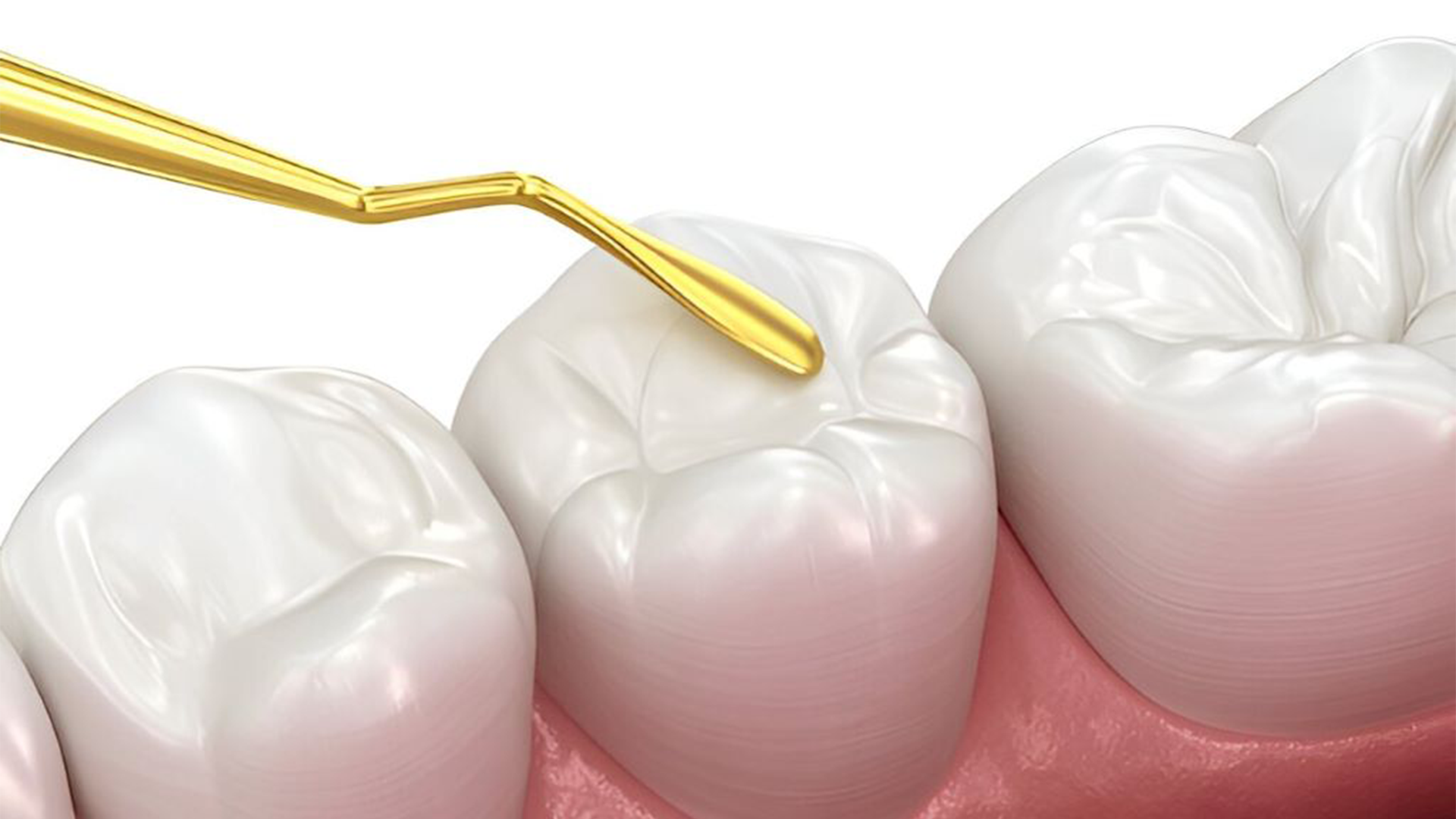
Tooth-coloured composite is the standard choice today because it bonds to the tooth and looks natural. Amalgam is cheaper but grey, and many clinics, including ours, have moved away from it.
Where the tooth sits matters too. Back molars take more force and are harder to reach, so they sit at the higher end of the range. And if the damage is too extensive for a filling to hold, a larger repair such as an onlay or crown costs more again.
What is usually included in the fee
The filling fee normally covers the local anaesthetic, removing the decay, and placing and shaping the filling. It does not always include the examination or x-rays that found the problem in the first place. If you came in for a check-up and the decay was spotted then, the check-up is billed separately. Ask for the full quote, including any health fund rebate or payment option, so there are no surprises at reception.
How to get an exact quote
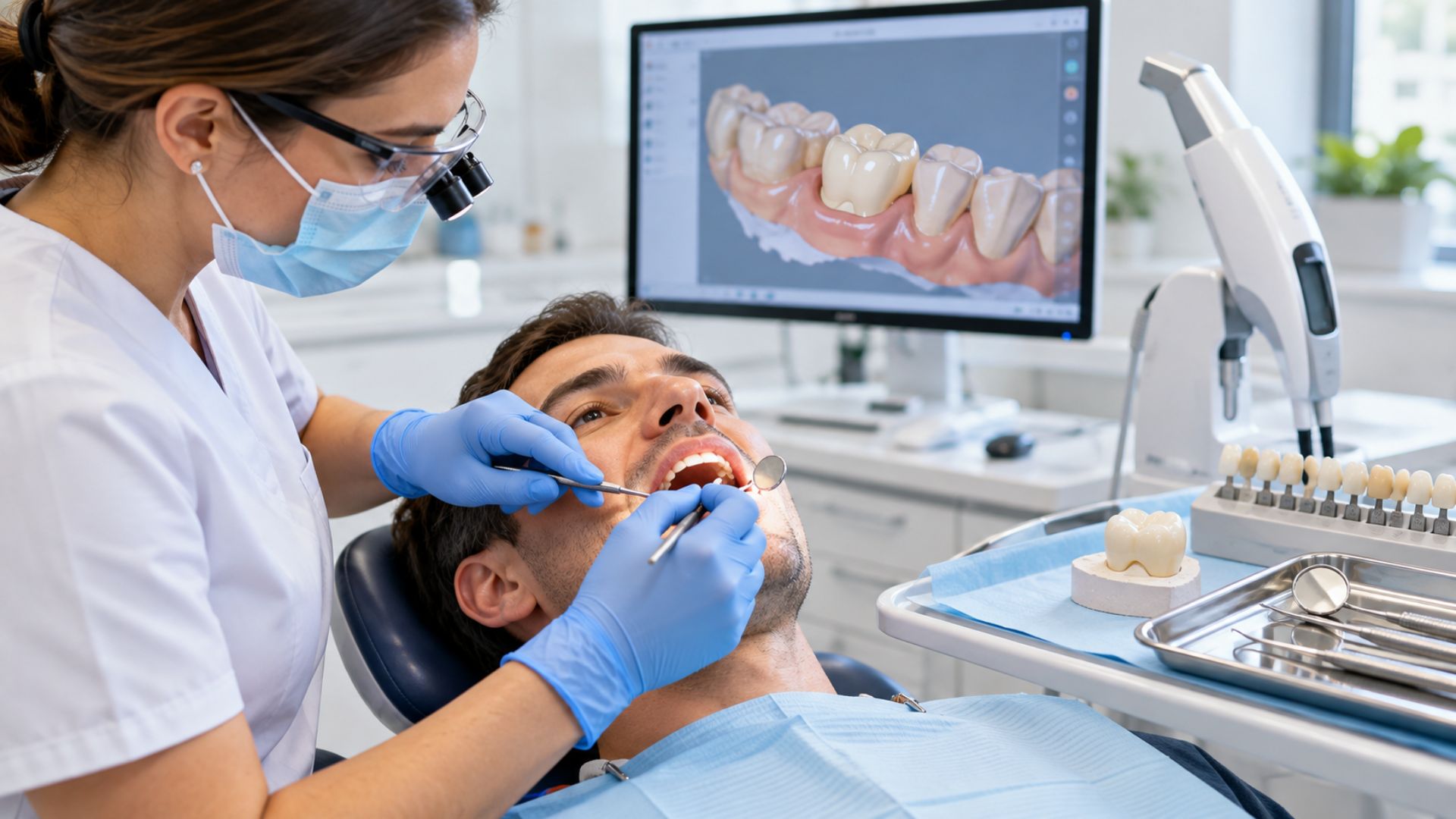
Because so much depends on the tooth itself, we will not quote a filling over the phone without seeing it. At your appointment we examine the tooth, take an x-ray if needed, and confirm whether a filling is the right repair. You will then get an itemised quote covering the treatment, what is included, and your likely out-of-pocket amount after any health fund rebate.
To arrange that, call the clinic on (02) 6241 5941 or book an appointment online. There is no obligation to proceed.
The real cost of waiting
Here is the honest part most price pages skip. A filling is the least expensive end of tooth repair. Leave a cavity too long and the decay reaches the nerve, and a straightforward filling turns into a much larger bill.
Once more than about half the tooth is damaged, a filling can no longer hold. You then need an onlay or a crown, both of which cost considerably more. If the nerve is infected, root canal treatment is added on top. Catching decay early, often through a routine check-up and clean, is almost always the least expensive path.
Prevention is cheaper still. Canberra's tap water is fluoridated, which helps, and simple steps like a professional fluoride treatment or fissure sealants for deeper grooves can stop a filling being needed at all.
Can you reduce the cost of a filling?
A few things genuinely bring your out-of-pocket amount down. Most private health funds with extras cover a share of general fillings, and we claim on the spot with HICAPS so you only pay the gap. Eligible children may be covered under the Child Dental Benefits Schedule. Concession card holders in the ACT may be able to access public dental care through Canberra Health Services, though wait times apply. And a smaller filling done early simply costs less than a big one done late.
If a broken or aching tooth needs urgent attention, that is handled as emergency dental care and may be priced differently from a planned filling.
Frequently asked questions
How much should I expect to pay for a tooth filling? It depends on the size of the cavity, how many surfaces are involved, and the material used, so the fee is set per tooth rather than fixed. We will examine the tooth and give you a written quote before starting, so you know the exact figure and your out-of-pocket amount in advance.
Why will not a clinic quote a filling over the phone? Because a filling can be small and simple or large and complex, and that is not something anyone can judge without looking. Once we have examined the tooth and taken an x-ray if needed, we can give you an accurate, itemised quote.
Does health insurance cover fillings? Usually, in part. Most extras policies pay a set rebate towards a general filling, so you cover the gap. The amount depends on your fund and level of cover, so check your limits before treatment.
Are white fillings more expensive than silver ones? Yes, a little. Tooth-coloured composite costs more than amalgam because it takes longer to place and bonds to the tooth. Most people choose composite now for how natural it looks, and many clinics no longer offer amalgam at all.
How long does a filling last? A well-cared-for composite filling typically lasts 5 to 10 years, sometimes longer. Good brushing, regular check-ups, and going easy on very hard foods all help it last.