Sleep apnea is a common sleep disorder in which your breathing repeatedly stops and starts while you sleep. Each pause briefly cuts the oxygen reaching your body and jolts you into a lighter sleep, often without you knowing. The most common form is obstructive sleep apnea, where the airway at the back of the throat collapses and blocks airflow. It typically causes loud snoring, gasping or choking during the night, and leaves you tired during the day no matter how long you were in bed. It is very common, often undiagnosed, and importantly, it is treatable. (You may also see it spelled "sleep apnoea" in Australia.)
The main types
There are two main forms, and they have different causes.
Obstructive sleep apnea (OSA) is by far the most common. The muscles at the back of the throat relax during sleep and the airway narrows or closes, so you physically cannot draw a full breath until your body briefly rouses to reopen it. Central sleep apnea is less common and works differently: the airway is clear, but the brain briefly stops sending the signal to breathe. Some people have a mix of both. Because OSA is the type most people mean, and the one dentistry can help with, it is the focus here.
The signs and symptoms
Sleep apnea is easy to miss because the main events happen while you are asleep. Often it is a partner who notices first. Common signs include:
Loud, persistent snoring
Gasping, choking, or snorting during sleep
Pauses in breathing that someone else notices
Waking unrefreshed even after a full night
Daytime sleepiness, fatigue, or nodding off
Morning headaches and a dry mouth on waking
Trouble concentrating, memory lapses, or irritability
Snoring on its own does not always mean sleep apnea, but loud snoring combined with daytime tiredness or witnessed breathing pauses is worth taking seriously.
What causes it and who is at risk
Obstructive sleep apnea happens when the airway is prone to collapsing during sleep, and several things raise that risk. Being overweight is one of the strongest factors, as is being male and middle-aged, though it affects women and children too. A naturally narrow airway, a large tongue, or enlarged tonsils and adenoids can all contribute. Alcohol and smoking make it worse, and sleeping on your back can aggravate it. The shape of your jaw and airway plays a part as well, which is part of why dentists have a role in spotting and managing it.
Why sleep apnea matters
This is the part worth taking seriously, because untreated sleep apnea is more than just poor sleep. Those repeated drops in oxygen and disrupted nights put real strain on the body. Over time, untreated obstructive sleep apnea is linked to high blood pressure, heart rhythm problems, heart disease, and stroke, and it is associated with type 2 diabetes. The daytime fatigue also raises the risk of accidents, including falling asleep at the wheel. The encouraging flip side is that treating it well tends to improve energy, mood, concentration, and long-term health.
How it is diagnosed
You cannot diagnose sleep apnea from symptoms alone. If you suspect it, the first step is to see your GP, who can refer you for a sleep study. This measures your breathing, oxygen levels, and sleep through the night, either in a sleep clinic or with a take-home device, and confirms whether you have sleep apnea and how severe it is. That severity guides the right treatment.
How sleep apnea is treated, and where dentistry fits
There is a range of treatments, and the best one depends on how severe your apnea is.
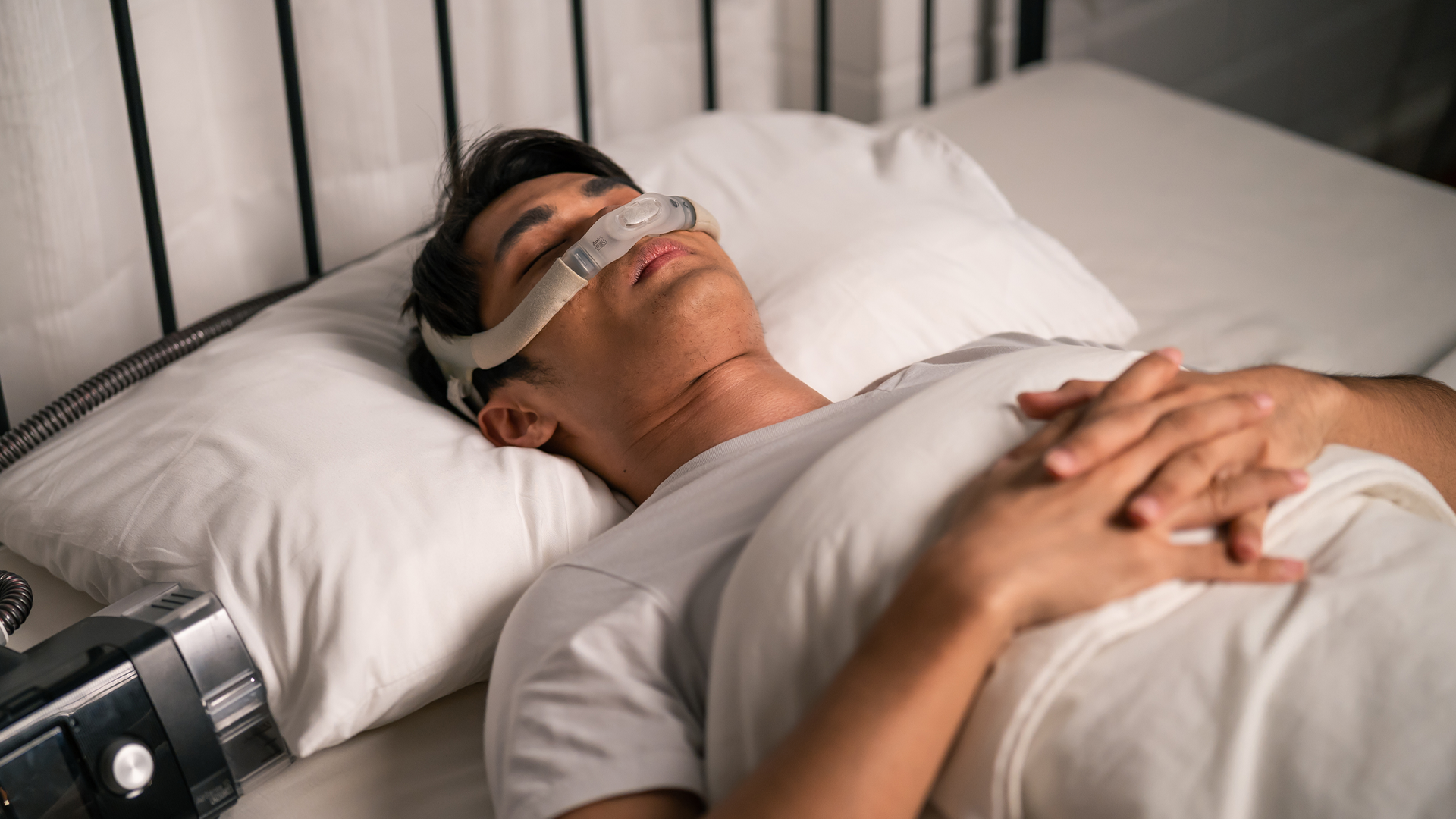
For moderate to severe cases, the main treatment is CPAP, a machine that gently pushes air through a mask to keep your airway open all night. It is very effective, though some people find the mask hard to tolerate.
This is where dentistry comes in. For milder obstructive sleep apnea, for heavy snoring, and for people who cannot get on with CPAP, a custom oral appliance is a well-established option. Fitted by a dentist, this mouthguard-like device gently holds the lower jaw forward during sleep, which keeps the airway open. healthdirect lists oral appliances fitted by dentists among the standard treatments. They are comfortable, quiet, and easy to travel with, which is why many people stick with them. At Kaleen Family Dental Surgery, this is part of our sleep dentistry approach to snoring and sleep apnea, which you can read more about in our guide to sleep dentistry.
Lifestyle changes support any treatment: losing excess weight, cutting back on alcohol before bed, quitting smoking, and sleeping on your side rather than your back. In selected cases, surgery may be considered.
The dental connection
Dentists are often among the first to pick up on sleep apnea, because the mouth holds clues. Worn or flattened teeth from night-time grinding, a scalloped tongue, a dry mouth, and enlarged tissues at the back of the throat can all hint at a problem. Related airway issues like mouth breathing are also something a dentist notices. If your dentist suspects sleep apnea, they will suggest you get it properly assessed, and once you have a diagnosis, they can help with an oral appliance where it is suitable. It is a good example of how dental care connects to your wider health.
Frequently asked questions
What is sleep apnea? Sleep apnea is a disorder where your breathing repeatedly stops and starts during sleep, briefly reducing your oxygen. The most common form, obstructive sleep apnea, happens when the airway collapses. It causes loud snoring, gasping at night, and daytime tiredness, and it is common and treatable.
Can a dentist help with sleep apnea? Yes, for the right cases. Dentists provide custom oral appliances that hold the lower jaw forward to keep the airway open, which suits mild to moderate obstructive sleep apnea, heavy snoring, and people who cannot tolerate CPAP. Diagnosis still needs a doctor and a sleep study first.
Is snoring the same as sleep apnea? No. Snoring is common and often harmless, while sleep apnea involves actual pauses in breathing. Loud snoring together with daytime sleepiness or witnessed breathing pauses can be a sign of sleep apnea and is worth getting checked.