How much should a white tooth filling cost?
There is no single price for a white tooth filling. The fee is set per tooth and depends on how big the cavity is, how many surfaces of the tooth it touches, and which of the two kinds of white filling you need. A white filling does cost more than a silver one, because it takes more skill and chair time to place. A lab-made porcelain filling for a large repair costs considerably more again. The only accurate figure is a written quote after your dentist has examined the tooth.
White filling versus silver: why the difference
Most people asking about a white filling really want to know two things. What does it cost, and why is it dearer than the silver kind?
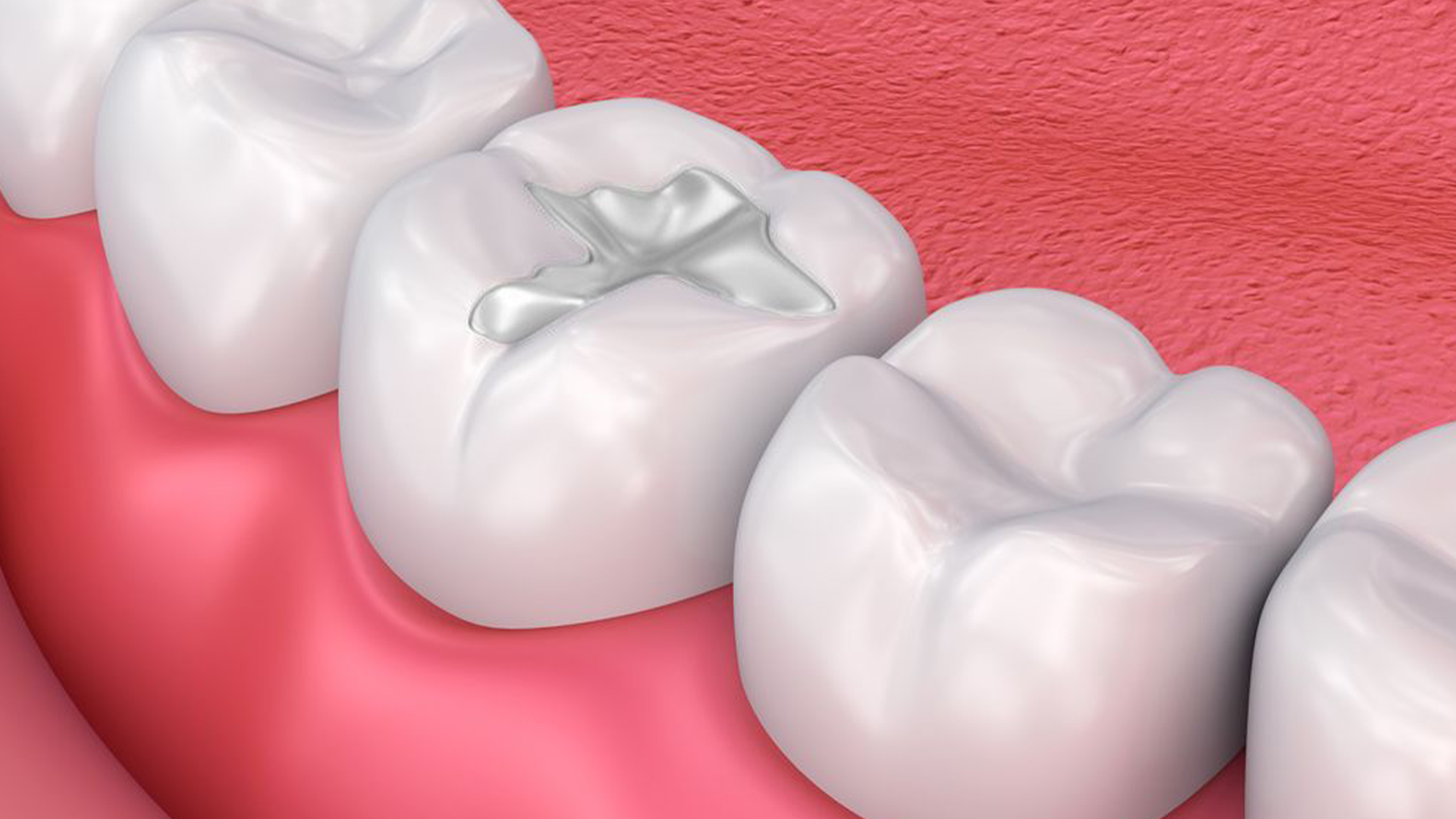
Silver amalgam is quick. You pack it in and it sets. Tooth-coloured composite asks a lot more from the dentist. The tooth has to be kept perfectly dry, the resin is built up in thin layers, each layer is light-cured, and the final shape is trimmed and polished to blend in. That extra chair time is the main reason for the higher fee, and the material itself costs more than amalgam.
On a front tooth or anywhere that shows when you smile, most people happily pay the difference. On a hidden back molar, the choice is more about longevity than looks. Many clinics, including ours, no longer place amalgam at all.
There are two kinds of white filling
This is the part most price pages leave out, and it explains why quotes vary so widely. Not all white fillings are the same.
A direct composite filling is the everyday white filling. Your dentist places soft resin straight into the cleaned cavity, shapes it, and sets it hard with a light, all in one visit.
A porcelain or ceramic filling (an inlay or onlay) is made in a lab and bonded in at a second visit. It is used when the cavity is too big for direct composite to hold well. It is much stronger and lasts longer, but it involves lab work and a second appointment, so it costs significantly more. If a quote for a "white filling" seems high, it often means this lab-made type rather than a standard one, so it is always worth asking which you are being quoted for.
What else moves the price
Within the white filling range, two things drive the figure up or down: how big the cavity is, and how many surfaces of the tooth it touches. Dentists quote per surface, so a filling wrapping around two or three sides costs more than a single small spot. Back molars, which take more force and are harder to reach, also sit at the higher end.
How to get an exact quote
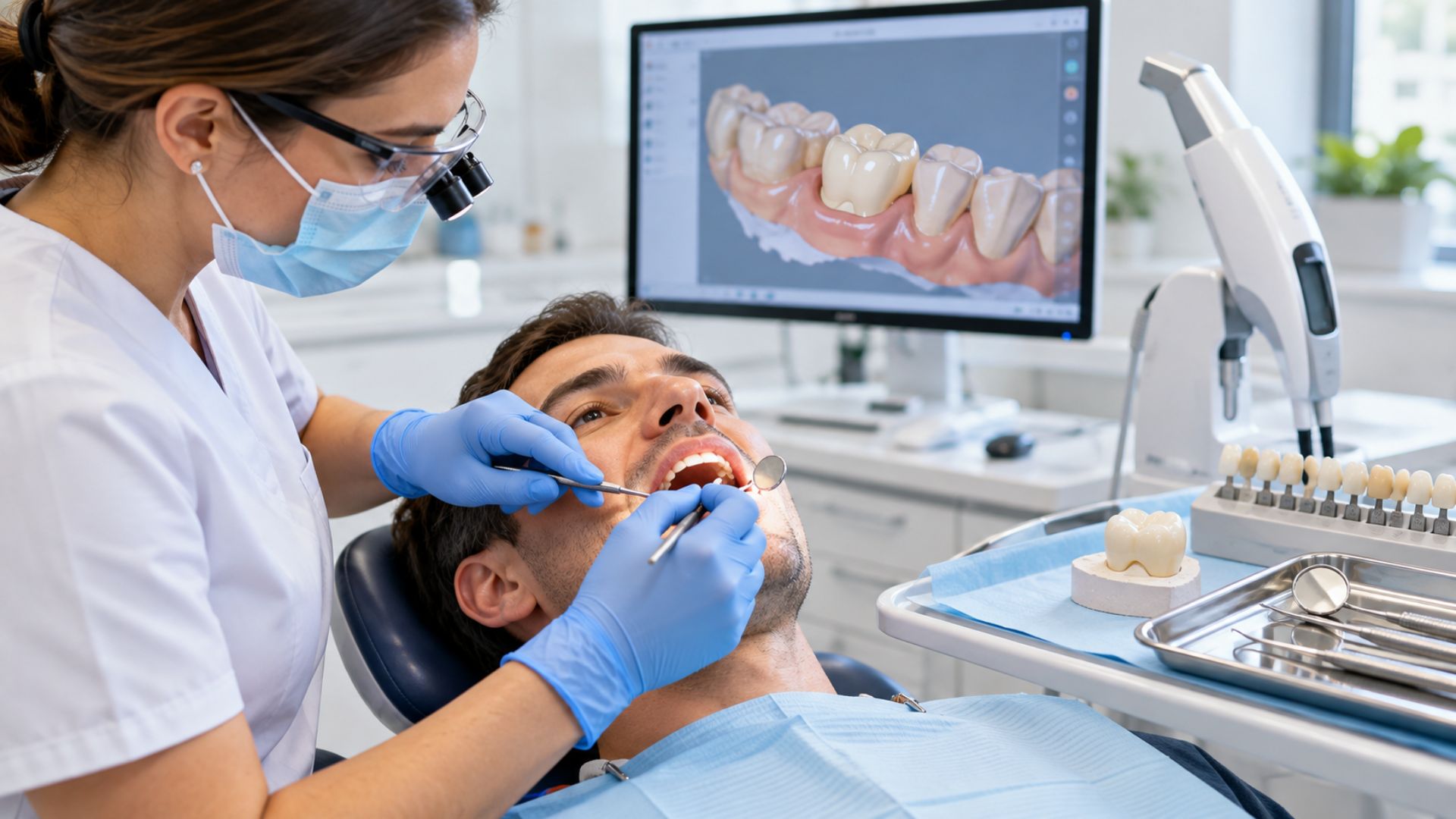
Because it depends entirely on the tooth, we will not quote a white filling over the phone without seeing it. At your appointment we examine the tooth, take an x-ray if needed, and confirm whether a direct composite filling is right or whether a stronger lab-made repair makes more sense. You then get an itemised written quote covering the treatment, what is included, and your likely out-of-pocket amount after any health fund rebate.
To arrange that, call the clinic on (02) 6241 5941 or book an appointment online. There is no obligation to proceed.
Are white fillings worth the extra cost?
For most people, yes, especially on teeth that show. Here is the honest picture, though.
Modern composite is strong and typically lasts 5 to 10 years with good care. Years ago silver fillings clearly outlasted white ones. That gap has narrowed a lot, but on a large filling in a big molar, a very durable option like porcelain or a crown can still be better value over time, even though it costs more upfront. A good dentist will say when that is the case rather than push the pricier option.
The upsides of white are real. It bonds to the tooth so less healthy tooth is removed, it has no mercury, and no one can tell it is there. Whether that is worth the extra is a personal call, so ask your dentist to talk it through before you decide.
Keeping the cost down
A few things genuinely help. Most extras policies pay a rebate towards a general composite filling, so check what your health fund covers before you book. We claim on the spot with HICAPS, so you only pay the gap. Catching decay early matters too, since a small filling always costs less than a large one, which is a good reason not to skip your regular check-up. And prevention beats any filling: Canberra's fluoridated tap water helps, and fissure sealants can protect deep grooves before decay starts.
Frequently asked questions
How much should a white tooth filling cost? It depends on the size of the cavity, how many surfaces are involved, and whether you need a standard composite filling or a stronger lab-made porcelain one. Because it is priced per tooth, we examine it first and then give you a written quote before any treatment starts.
Why will not a clinic quote a white filling over the phone? Because the same tooth can need a small one-surface repair or a large lab-made restoration, and nobody can tell which without looking. Once we have examined the tooth we can give you an accurate, itemised quote.
Are white fillings worth the extra cost over silver? For most people, yes. White fillings look natural, bond to the tooth so less healthy tooth is removed, and contain no mercury. On large back molars a stronger option can sometimes be better long-term value, so ask your dentist to compare them for your tooth.
Does private health insurance cover white fillings? Usually in part. Most extras policies pay a set rebate towards a general composite filling, and you cover the gap. The rebate depends on your fund and level of cover, so confirm your limits before treatment.