Composite bonding is a cosmetic treatment, which means the honest starting point is what it can realistically achieve rather than what it might look like in a photograph.
It is very good at some things and genuinely unsuitable for others. So this page opens with the scope, because knowing that up front saves you an appointment and saves us both a disappointing conversation.
What bonding can and cannot fix
Concern | How well bonding handles it |
Small chip on a front tooth | Well suited, often a single short appointment |
Worn or uneven biting edges | Well suited, edges rebuilt and reshaped |
Small gap between front teeth | Well suited if the gap is modest |
A tooth that looks short or narrow | Well suited, shape and proportion built up |
Mild surface irregularities | Well suited |
A wide gap, or several large gaps | Partly, though the result can look bulky |
Mild crowding or rotation | Partly, and straightening is usually the better answer |
Deep internal discolouration | Limited, since bonding covers rather than corrects |
Heavily broken-down teeth | Not suitable, a crown or onlay is needed |
Significantly crooked teeth | Not suitable, orthodontic treatment comes first |
The middle rows are where expectations tend to go wrong. Bonding can mask mild crowding by building out the tooth surfaces, but the teeth end up thicker than they ought to be, and the result usually looks like what it is.
Where that applies to you we will say so, because straightening first and bonding afterwards produces a considerably better result than bonding alone, even though it takes rather longer to get there.
What composite bonding actually is
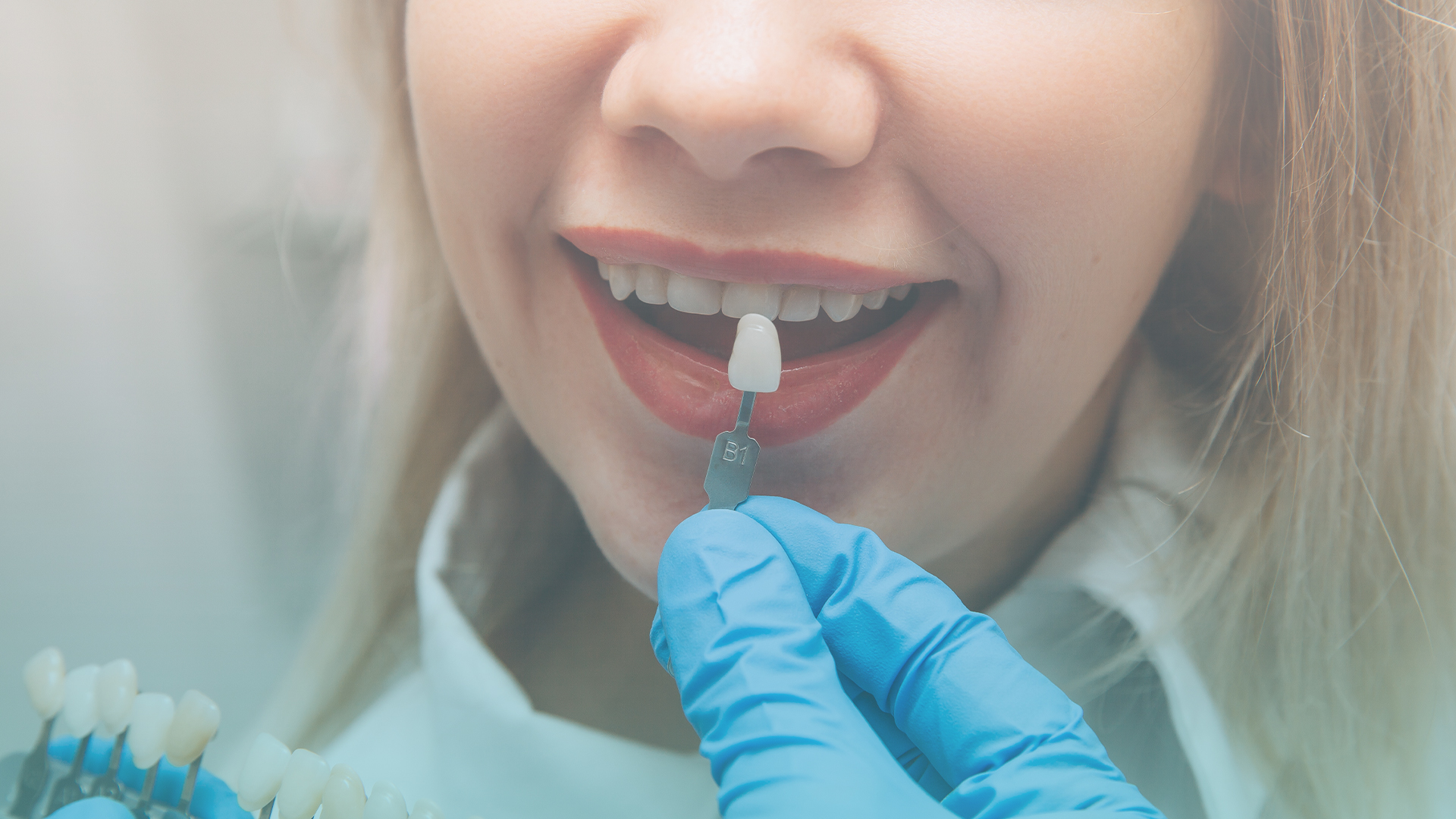
Bonding uses a tooth-coloured composite resin, the same family of material used for repairing decay, applied here for appearance rather than for repair.
The resin is applied directly to the tooth in soft layers, sculpted by hand into the shape being built, then set hard with a curing light. Once set, it is trimmed, contoured and polished until it blends with the surrounding enamel.
The whole thing happens in the mouth within a single visit, so nothing goes to a laboratory, no temporary restoration is needed, and you leave the appointment with the finished result.
Composite bonding or porcelain veneers?
This is the comparison most people are weighing up, and neither option is simply better than the other.
| Composite bonding | Porcelain veneers |
Visits | Usually one | Usually two or more |
Enamel removal | Often none or very little | Some enamel is removed |
Reversibility | Often reversible | Not reversible |
Cost per tooth | Lower | Considerably higher |
Typical lifespan | Around 4 to 8 years | Around 10 to 15 years |
Stain resistance | Stains gradually | Highly stain resistant |
Repairability | Repaired in the chair | Usually replaced rather than repaired |
Best for | Small corrections, trying a change | Larger changes, long-term results |
The practical difference between them is commitment, since bonding is a lower-cost and lower-risk step that can be adjusted, added to or removed later, whereas veneers involve permanently removing enamel that will not come back.
For that reason bonding often suits people making a first cosmetic change, or wanting one specific chip or gap addressed, while veneers tend to suit larger changes across several teeth where longevity matters more than reversibility.
Does bonding damage your teeth?
In most cases, no, and this is the main structural advantage bonding has over veneers.
Additive bonding, where resin is simply built onto the existing tooth, generally needs no drilling and no anaesthetic at all. The tooth surface is roughened very slightly so the resin grips properly, and that is usually the full extent of the preparation.
Some situations do call for minor reshaping, such as smoothing an edge before rebuilding it. That gets explained and agreed beforehand rather than decided while you are in the chair, because it changes whether the treatment is reversible.
Whiten first, then bond
This is the step most people miss, and getting the order wrong is expensive to undo.
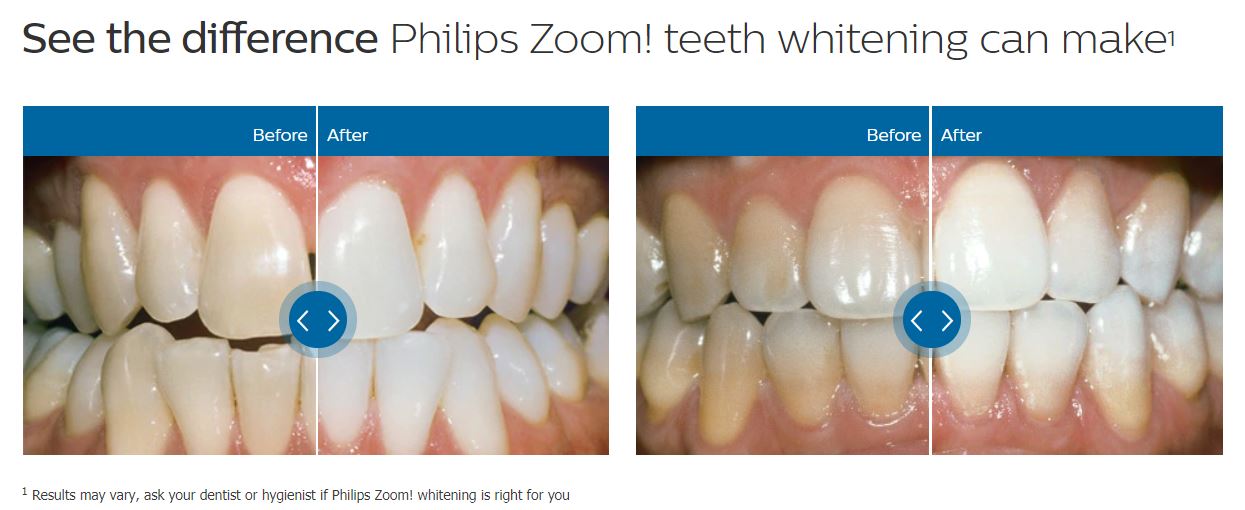
Composite resin does not respond to whitening. It is shaded to match your teeth on the day it is placed and then holds that shade indefinitely, while the natural teeth around it carry on lightening.
So if whitening is something you are considering, do it first. Complete the whitening, allow roughly two weeks for the shade to settle and for the bonding to grip properly, then have the bonding matched to your new brighter shade.
Bond first and whiten later, and you end up with natural teeth several shades lighter than the bonded areas, which means redoing the bonding to match.
How the appointment works
A single chip usually takes between 30 and 60 minutes, while several teeth together typically run to two or three hours. We will tell you which applies before you book.
Talking through the shape. You explain what bothers you, we assess whether bonding is the right tool, and the proportions and shade get discussed against your other teeth and your smile line.
Preparing the surface. The tooth is cleaned and a mild conditioning gel applied so the resin bonds securely. No drilling is involved in straightforward additive cases.
Building the shape. Resin is applied in thin layers, each one shaped and cured before the next goes on, which is what allows natural-looking depth rather than a flat block of colour.
Refining and polishing. The bonding is trimmed, contoured and polished. This stage takes considerably longer than most people expect, and it does most of the work in making the result read as enamel rather than resin.
Checking the bite. You bite together and the edges are adjusted, since bonded edges that catch will chip.
You will be shown the result with a mirror before you leave, and small refinements at that point are normal rather than a problem.
How long bonding lasts, and what shortens it
Composite bonding typically lasts somewhere around 4 to 8 years before it needs refreshing or replacing. That range is wide because habits matter more than the material.
What shortens it: grinding or clenching, biting nails, opening things with your teeth, chewing pens or ice, and heavy coffee, tea, red wine or smoking. Bonded edges on front teeth also take more load than bonding elsewhere, so lower front teeth tend to need attention sooner.
What extends it: a night splint if you grind, daily cleaning between the teeth, and a polish at your regular check-up. Bonding that is looked after can outlast the range above comfortably.
When it does wear or chip, it is usually repaired rather than replaced, often in a single short visit. That repairability is one of the quiet advantages of composite over porcelain.
Keeping bonding looking its natural best
Avoid staining foods and drinks for the first 48 hours, while the surface is at its most absorbent
Cut back on coffee, tea, red wine and smoking generally, since composite stains faster than enamel
Rinse with water after staining drinks, or drink them through a straw where that suits
Do not bite nails, pens, thread or packaging with bonded front teeth
Clean between your teeth daily, particularly where bonding has closed a gap
Mention grinding, because an unprotected habit will shorten the life of every bonded edge
Book a polish at your check-ups, which lifts surface staining before it sets in
When bonding is not the solution
Bonding covers a surface, which means it cannot move teeth into a better position, strengthen a tooth that has been weakened, or change the colour of a tooth from within.
Where teeth are crooked or crowded, straightening addresses the actual position rather than disguising it, and bonding afterwards refines the edges if needed. Where a tooth is heavily broken down or has had root canal treatment, a crown or onlay restores strength in a way bonding cannot. Where discolouration sits inside the tooth, internal whitening or veneers usually give a better result.
Saying this clearly is rather the point of a consultation. We will give you an honest assessment of whether bonding suits your case, and what the alternatives would involve, before you commit to anything.
Book a cosmetic consultation
If a chipped edge, a small gap or an uneven tooth is something you notice every time you see a photograph, a consultation will tell you whether bonding is the right fix or whether something else would serve you better.
The practice number is (02) 6241 5941, and online booking is available if you would rather arrange it that way.