What Is a Dental Bridge?
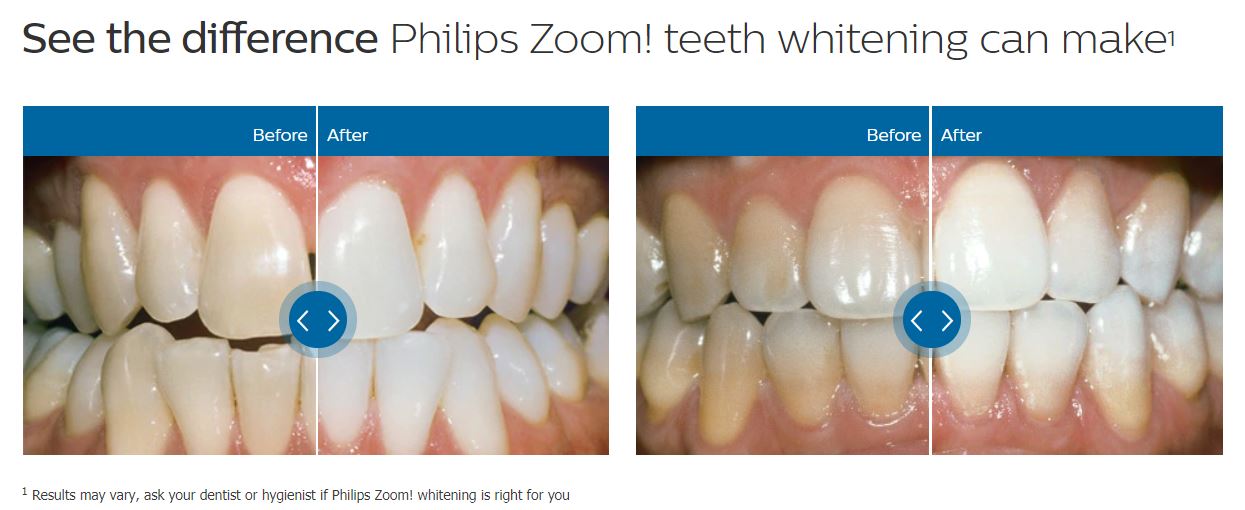
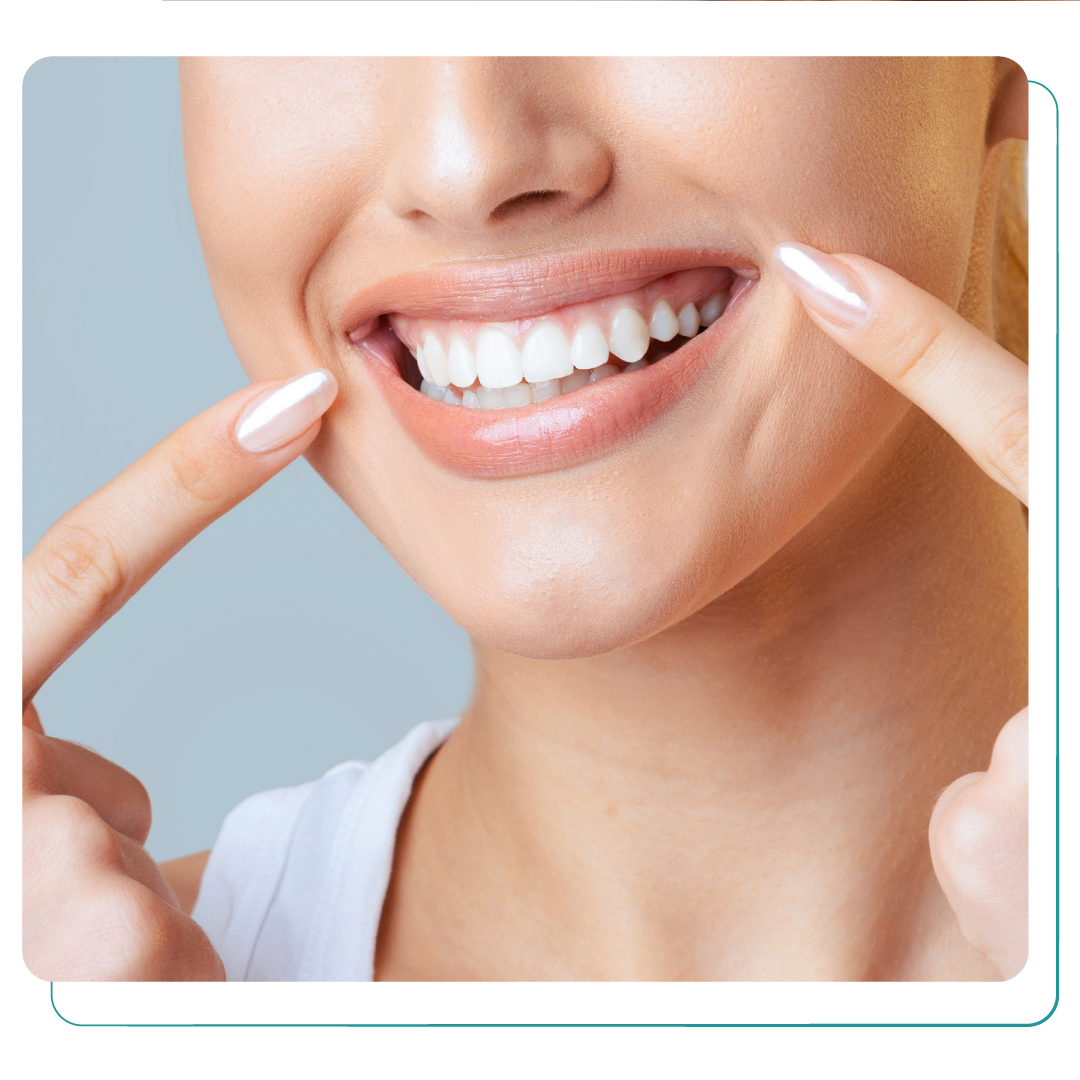
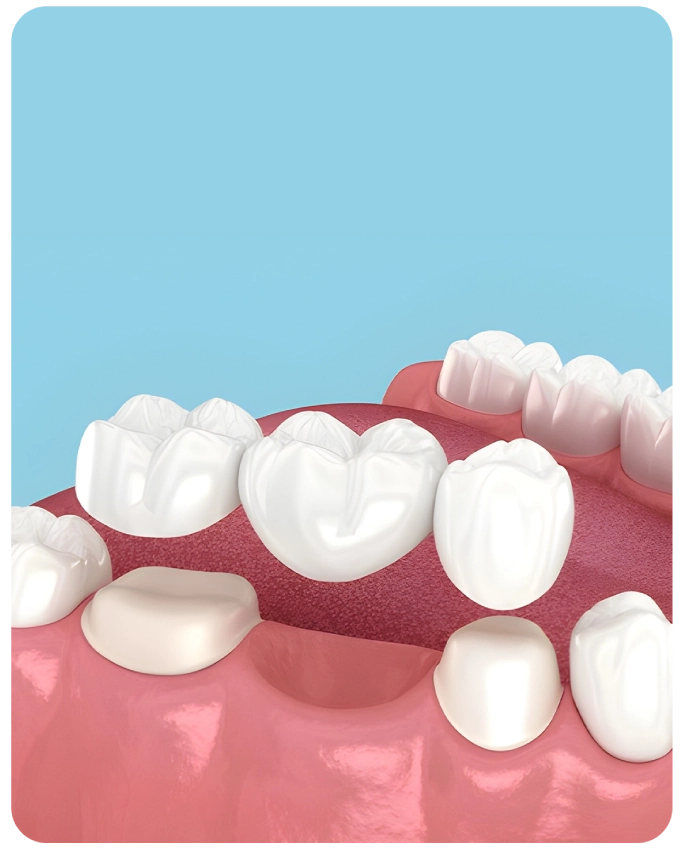
Wondering what a dental bridge actually is? It's a custom-made restoration that fills the gap left by one or more missing teeth. The bridge anchors to your healthy teeth on either side of the gap, or to a dental implant, using crowns that hold a natural-looking replacement tooth (called a pontic) in the middle. At Kaleen Family Dental, every bridge is shaped and shade-matched so it blends with your smile, rather than sitting on top of it. The result feels like your own tooth, looks like your own tooth, and lets you get back to eating, talking and smiling without thinking about it.
Why Would You Need a Dental Bridge?
A missing tooth isn't just a cosmetic issue. Left alone, the gap quietly causes problems that get harder, and more expensive, to fix down the track. Here's why most patients in Canberra choose to act early.
Restore Your Bite and Chewing Power
Restores full chewing function so you can enjoy your favourite foods without favouring one side of your mouth. A bridge spreads your bite force the way nature intended, taking pressure off your remaining teeth.
Stop Your Other Teeth from Drifting
Prevents the neighbouring teeth from tilting into the empty space. This slow drift throws off your bite and makes future dental treatments more complex and costly.
Protect Your Facial Shape and Confidence
Maintains the natural shape of your face, supports your lips and cheeks, and helps you speak and smile without second-guessing yourself in photos or meetings.
Which Types of Dental Bridges Are Right for You?
Not every bridge suits every gap. At Kaleen Family Dental, we'll walk you through these four options and recommend what's best for your case.
Traditional Bridge
The most common type. A pontic sits between two crowns fitted onto healthy teeth either side of the gap.
Material: porcelain, porcelain-fused-to-metal, or zirconia
Best for: gaps with strong, healthy teeth on both sides
Look: natural, tooth-coloured finish
Cantilever Bridge
Used when only one side of the gap has a supporting tooth. The bridge is anchored on a single crown.
Material: porcelain or ceramic
Best for: front teeth or low-load areas with one neighbouring tooth
Look: discreet and natural
Maryland (Resin-Bonded) Bridge
A conservative option. Instead of crowns, "wings" bond to the back of your existing teeth.
Material: porcelain or metal framework
Best for: front-tooth gaps where you want to preserve healthy enamel
Look: minimally invasive
Implant-Supported Bridge
Two or more dental implants act as anchors instead of natural teeth.
Material: zirconia or porcelain on titanium implants
Best for: multiple missing teeth in a row, or when adjacent teeth aren't strong enough
Look: closest to natural
Dental Bridge vs Implant: Comparison
A bridge and an implant both close the gap, but they're very different solutions. Here's how they compare side-by-side so you can weigh up what's right for you.
Dental Bridge | Dental Implant | |
|---|---|---|
Treatment time | 2 to 3 weeks (typically 2 visits) | 3 to 9 months (multiple stages) |
Surgery required | No | Yes (minor) |
Adjacent teeth | Crowned on either side | Untouched |
Bone preservation | Doesn't preserve underlying bone | Stimulates and preserves bone |
Longevity | 10 to 15 years with good care | 20+ years, often lifelong |
Cost | Lower upfront | Higher upfront, lower lifetime |
Best for | Multiple missing teeth, or wanting faster results | Single missing tooth, or long-term bone health |
Neither option is universally better. Your dentist will recommend what matches your bone density, gap location, and timeline at your consultation.
What Are the Real Benefits of a Dental Bridge?
Done well, a bridge does much more than fill a hole. Patients walk out with real, daily changes.
Eat the Foods You've Been Avoiding
Enjoy steak, apples and crusty bread again, without chewing on one side or worrying about the gap.
Smile and Speak with Confidence
Speak clearly without lisping around the gap, and smile freely in photos, meetings and social occasions.
Protect Your Remaining Teeth
Prevents drift, uneven wear and the chain reaction of bite problems that follow a missing tooth.
A Faster Path Back to Normal
No surgery, no months of healing. Most patients have their permanent bridge fitted within a few short weeks.
Process for Dental Bridges in Canberra
Here's what your bridge journey looks like at our Kaleen clinic. Clear, comfortable, and built around two main visits.
Step 1: Consultation and Assessment (around 30 to 45 minutes)
We examine your gums, supporting teeth and bite, take any needed X-rays, and walk you through the bridge type best matched to your case. You'll leave with a clear plan and a quote, no surprises.
Step 2: Preparation and Impressions (around 60 to 90 minutes)
We gently reshape the supporting teeth, take precise digital impressions, and fit you with a temporary bridge to wear while your permanent one is crafted by our trusted Australian dental lab. h and bite, take any needed X-rays, and walk you through the bridge type best matched to your case. You'll leave with a clear plan and a quote, no surprises.
Step 3: Fitting Your Permanent Bridge (around 30 to 45 minutes)
You'll return 2 to 3 weeks later. We check the fit, colour and bite, make any small adjustments, then permanently cement your new bridge in place. You can eat carefully the same day.
Why Trust Kaleen Family Dental With Your Bridge?
Rated 4.9★ from 200+ Google Reviews
Canberra families have been quietly telling us, and the internet, that our care is worth recommending.
See the Same Dentist Every Visit
No revolving door of locums. You'll build a real relationship with the dentist planning and finishing your treatment.
Conservative, Evidence-Based Dentistry
We only recommend treatment you actually need, using high-quality materials made by trusted Australian dental labs, never cheaper offshore alternatives.
Easy Parking and Accessible Location
Tucked inside Kaleen Shopping Centre with free parking right outside. No CBD traffic, no meters, no stress.
Frequently Asked Questions
How long does a dental bridge last?
With good oral hygiene and regular check-ups, most bridges last 10 to 15 years, some go longer. Daily flossing underneath the bridge makes a real difference to its lifespan.
Will getting a bridge hurt?
The procedure is done under local anaesthetic, so you shouldn't feel pain, just light pressure. Mild tenderness for a day or two afterwards is normal and settles quickly.
How soon after losing a tooth can I get a bridge?
Usually we wait 6 to 10 weeks after an extraction so the gum can heal properly. Your dentist will assess your specific timing at your consultation.
Will my health fund cover any of it?
Most major Australian health funds offer some rebate on bridge treatment under "major dental" cover. We'll provide item codes so you can check with your insurer before treatment.
What if a supporting tooth gets decay under the crown later?
It's why six-monthly check-ups matter. Caught early, decay can be treated and your bridge protected; left late, the whole bridge may need replacing.
Ready to Close the Gap? Book Your Dental Bridge Consultation in Canberra
Don't let a missing tooth keep you eating on one side, hiding your smile, or wondering what's next. Our team at Kaleen Family Dental will walk you through your options at your first visit. No pressure, just clear advice.