Understanding Dry Mouth
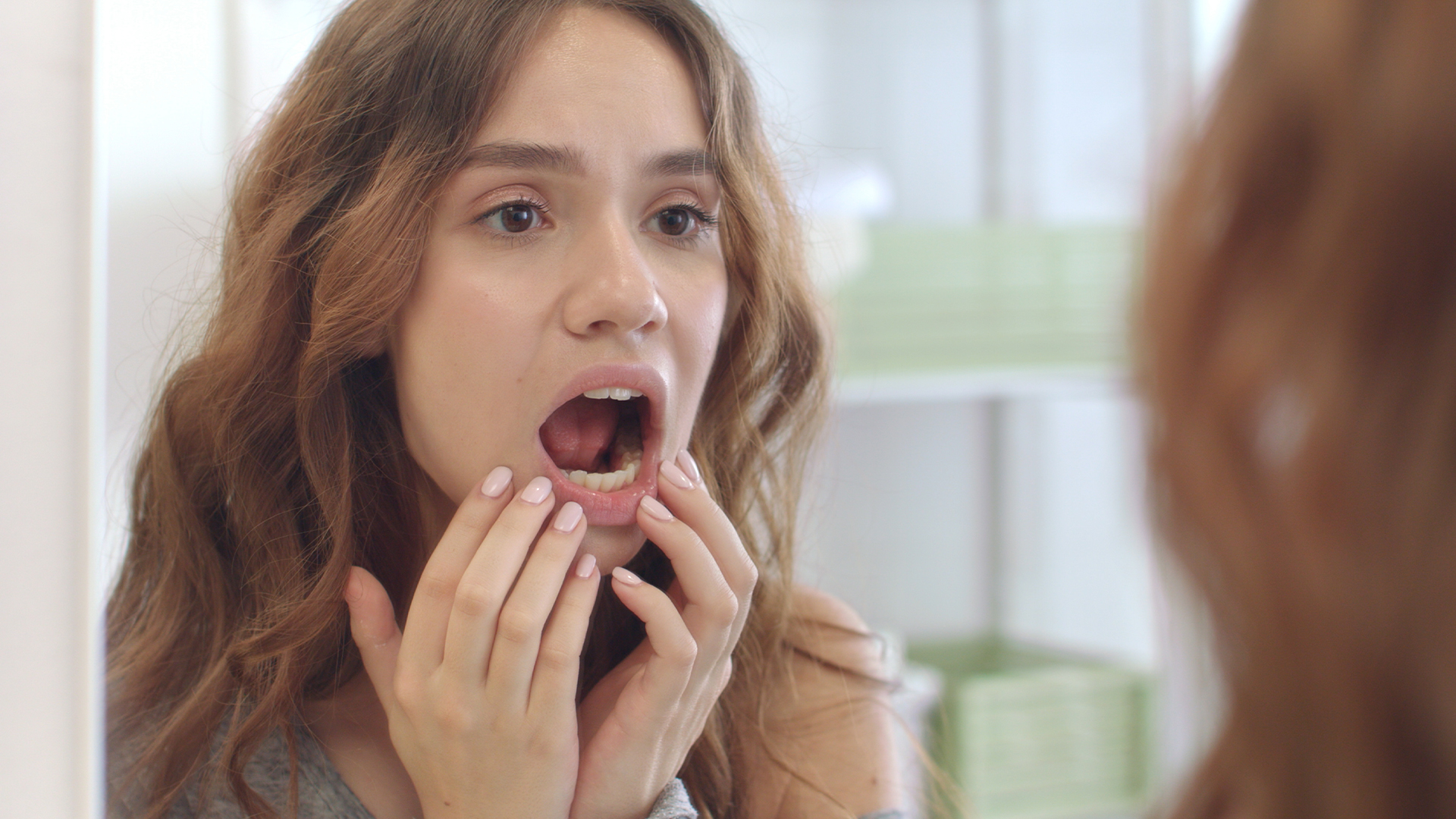
Dry mouth, known clinically as xerostomia, happens when the salivary glands don't make enough saliva to keep your mouth moist. Most of us feel it now and then, such as after a long run, a nervous presentation or a night of breathing through the mouth. That kind of dryness passes once you drink some water or relax.
Ongoing dry mouth is different. If the feeling lingers for weeks, comes back often or makes eating and talking harder, it's worth having it checked. Saliva does a lot of quiet work in the background. It rinses away food, helps neutralise the acids that cause decay, supplies minerals that strengthen enamel and helps control the bacteria that lead to gum disease. When there isn't enough of it, problems can build up quickly.
Common Reasons Your Mouth Feels Dry
Dry mouth is usually a sign of something else going on rather than a condition on its own. Common causes include:
Medications. Hundreds of everyday medicines can reduce saliva flow, including some antidepressants, antihistamines, blood pressure tablets, pain relievers and diuretics. Taking several medicines together can increase the effect.
Dehydration. Not drinking enough water, exercising hard, illness with fever, or drinking a lot of alcohol or coffee can all leave your mouth dry.
Mouth breathing and snoring. Breathing through your mouth at night, often due to a blocked nose or sleep apnoea, can mean waking up with a very dry mouth and throat.
Health conditions. Diabetes, Sjögren's syndrome, Parkinson's disease and some autoimmune conditions can affect the salivary glands.
Cancer treatment. Radiation therapy to the head and neck, as well as some chemotherapy drugs, can reduce saliva production, either for a while or long term.
Smoking and vaping. Tobacco and vaping products can dry out the mouth and irritate the soft tissues.
Getting older. Age alone doesn't always cause dry mouth, but older adults are more likely to take medications or have health conditions that do.
Signs You May Have Dry Mouth
The symptoms can be mild at first and easy to put down to other things. Look out for:
A sticky or dry feeling in the mouth or throat
Thick or stringy saliva
Feeling thirsty often, even after drinking
Bad breath that doesn't improve with brushing
Trouble chewing, swallowing or speaking
A dry, rough tongue or cracked lips and mouth corners
A changed or reduced sense of taste
Sore spots or irritation in the mouth
Dentures that feel loose or rub more than usual
New cavities, especially near the gumline
If you notice several of these, or they've been around for a while, book a check-up so we can look into it.
How We Treat Dry Mouth
Because dry mouth has many possible causes, treatment starts with finding out why it's happening. At your appointment, we'll ask about your symptoms, general health and any medications you take. We'll then examine your teeth, gums, tongue and soft tissues to check for decay, gum problems or signs of infection.
Depending on what we find, your care may include:
Saliva substitutes and moisturising products. Gels, sprays and rinses can help keep the mouth moist and more comfortable through the day and night.
Saliva stimulation. Sugar-free gum or lozenges, particularly those with xylitol, can encourage your glands to produce more saliva.
Extra protection for your teeth. We may recommend high-fluoride toothpaste, fluoride varnish or remineralising creams to strengthen enamel and lower your risk of decay.
More frequent check-ups. Regular visits help us spot early changes and treat small problems before they become bigger ones.
Treating existing problems. Any decay, gum inflammation or denture irritation can be managed as part of your care plan.
Working with your doctor. If a medication or health condition may be contributing, we can suggest you speak with your GP. Never stop or change a prescribed medicine without your doctor's advice.
Caring for Your Teeth and Gums at Home
Good daily habits help protect your mouth while saliva levels are low. These simple steps can help:
Sip water regularly throughout the day and keep a glass by your bed.
Brush twice a day with a fluoride toothpaste and clean between your teeth daily.
Choose an alcohol-free mouthwash, as alcohol-based rinses can dry the mouth further.
Limit sugary snacks and drinks, and cut back on acidic foods.
Keep caffeine and alcohol to a moderate level.
Run a humidifier in your bedroom, especially during Canberra's cooler months.
Try to breathe through your nose, and mention snoring to your doctor.
If you wear dentures, take them out overnight and clean them every day.
Avoid smoking and vaping.
Find Relief With Our Canberra Dental Team
Living with a dry mouth can affect your comfort, your sleep and the health of your teeth. Our friendly team takes the time to understand your situation and explain your options clearly, so you can make informed decisions about your care.
If you're experiencing ongoing dryness or any of the signs above, call us on (02) 6241 5941 or book online to arrange an appointment.
Frequently Asked Questions
Is dry mouth just a normal part of ageing?
Not necessarily. Many older people do have dry mouth, but it's usually linked to medications or health conditions rather than age itself. It's worth getting it checked at any age.
Can dry mouth lead to tooth decay?
Yes, it can. Saliva helps wash away food and neutralise acids, so less saliva means your teeth are more exposed to decay. This is why we often recommend extra fluoride and more regular check-ups.
Should I see a dentist or a doctor?
Both can help. Your dentist can protect your teeth and gums and manage symptoms, while your GP can review medications and check for underlying health conditions. We're happy to work alongside your doctor.
Will my dry mouth go away?
It depends on the cause. Dryness from dehydration or a short course of medication often settles on its own. Longer-term causes usually need ongoing management, but symptoms can often be eased with the right care.
Can I still get dental treatment if I have dry mouth?
Yes. Having dry mouth doesn't stop you from having fillings, cleans or other treatment. We'll simply take extra care to keep you comfortable during your visit.