What is Porcelain Veneers
A porcelain veneer is a thin, custom-made shell of dental ceramic that is bonded to the front surface of a tooth. Each one is shaped and shaded to suit you, so it sits comfortably alongside your natural teeth.
Veneers cover the visible part of the tooth only. They're a cosmetic option for teeth that are structurally healthy but don't look the way you'd like. Porcelain is popular because it resists staining, reflects light in a similar way to enamel and is durable when cared for properly.
Veneers aren't the right choice for everyone. Teeth with large fillings, active decay or significant damage may be better suited to a crown or another restoration. We'll talk you through all suitable options before you make a decision.
Smile Concerns Veneers Can Address
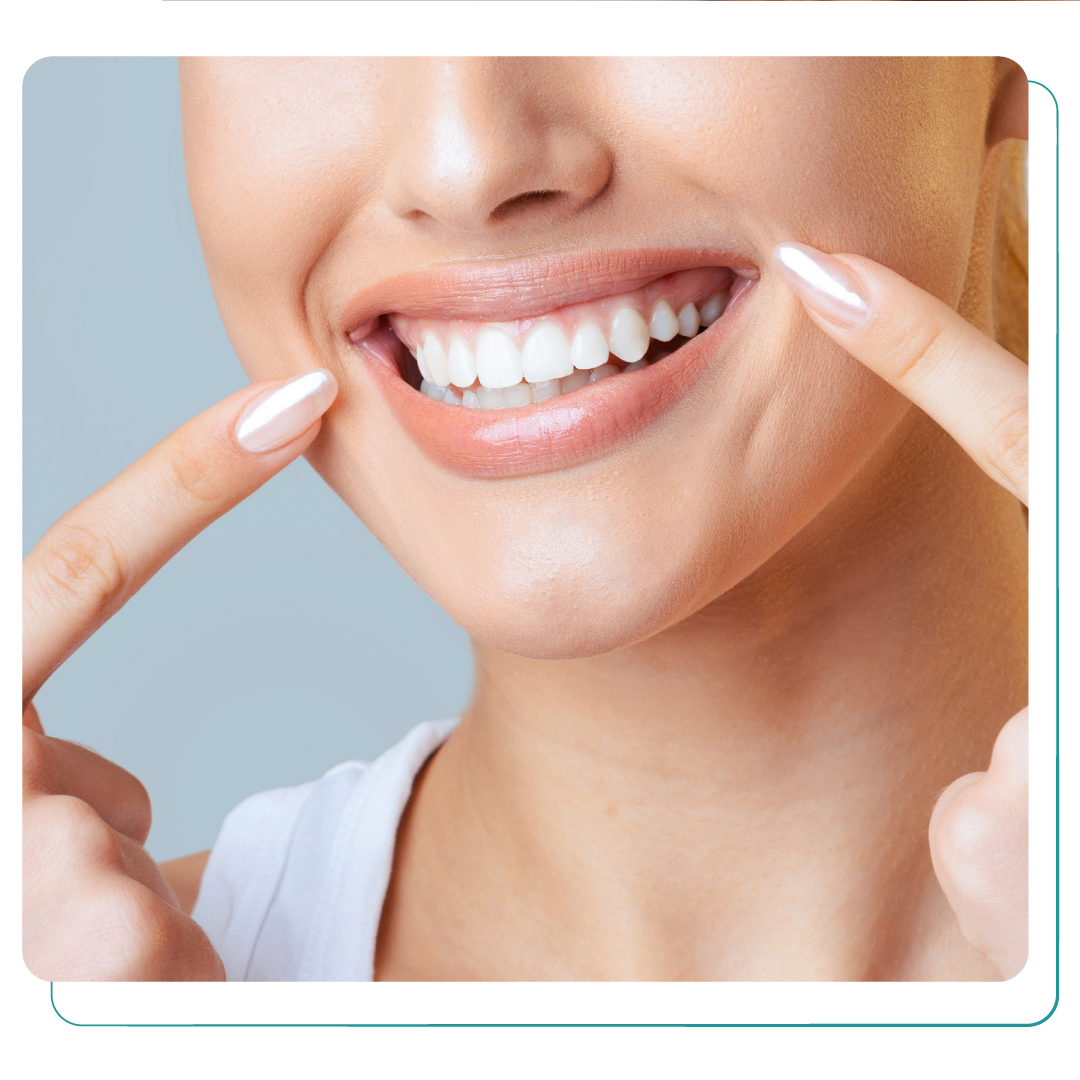
Veneers can help with a range of cosmetic concerns, often in a single course of treatment. These include:
Discolouration that doesn't respond well to whitening, such as staining from medication or old fillings
Chips and worn edges caused by grinding, accidents or everyday wear
Small gaps between the front teeth
Uneven shapes or sizes, such as teeth that look short, pointed or out of proportion
Mild crowding or rotation, where orthodontic treatment isn't preferred or needed
Veneers change how teeth look. They don't straighten the bite or treat gum problems, so any health issues are managed first. For larger gaps or more noticeable crowding, orthodontic treatment such as clear aligners may be a better starting point, and we'll explain why if that's the case.
What Gives a Tooth Its Natural Look
The difference between a veneer that blends in and one that stands out often comes down to small details. Natural teeth aren't a single flat colour. They're slightly more see-through at the biting edge, a little warmer near the gumline and have fine surface texture that catches the light.
When planning your veneers, we consider:
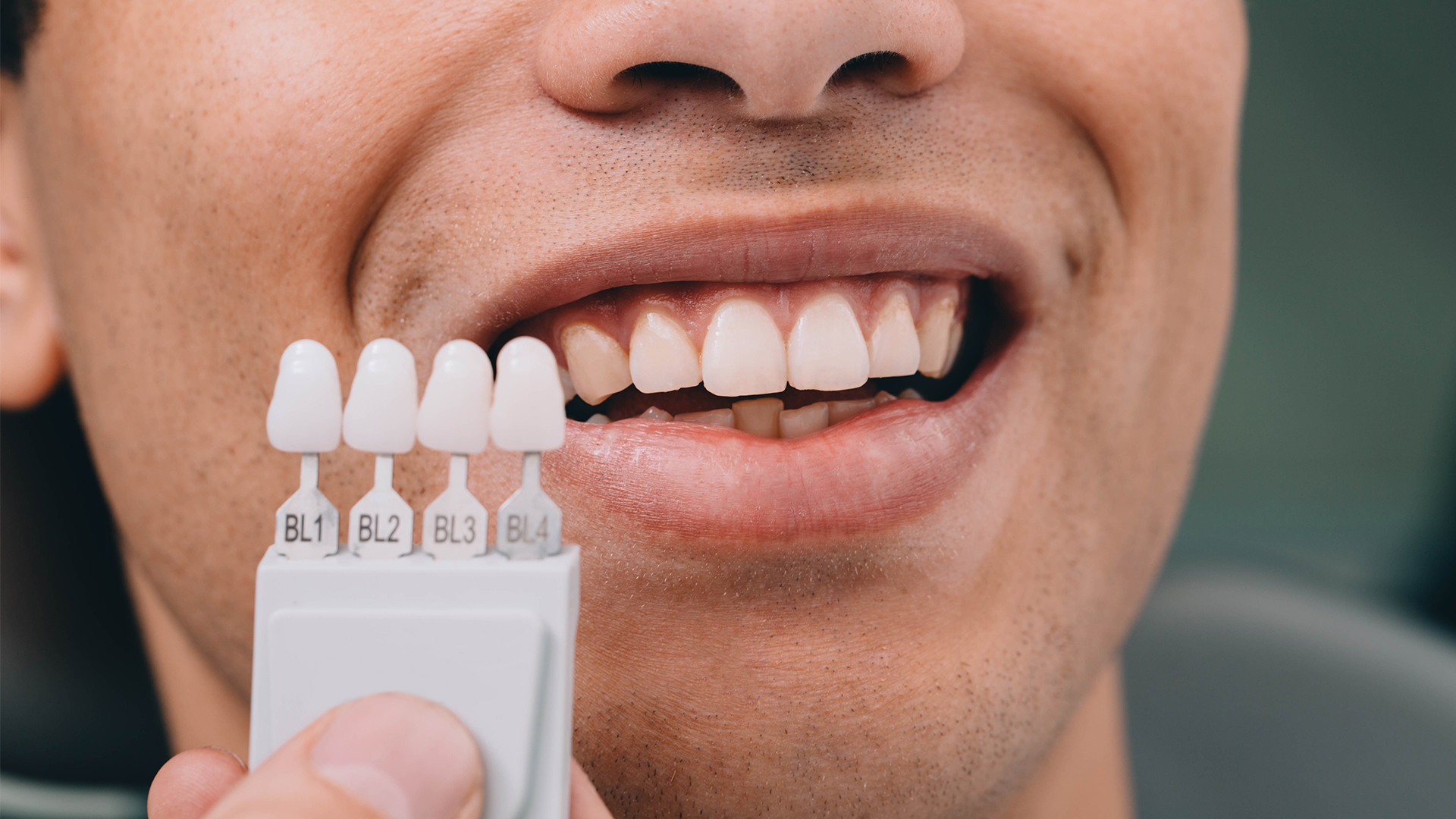
Shade and translucency, so each veneer matches or gently brightens your existing teeth without looking opaque
Shape and proportion, matching the width and length of each tooth to your face, lips and gumline
Surface texture, including the subtle ridges and lines that real enamel has
Symmetry, aiming for a balanced smile while allowing for natural variation
We work with an experienced dental laboratory and share photos, measurements and your preferences so the final result suits you rather than following a one-size template.
Conservative Veneer Options: No-Prep and Minimal-Prep
Traditional veneers usually involve removing a small amount of enamel, around half a millimetre, so the veneer sits flush with neighbouring teeth. For some patients, a more conservative approach is possible.
Minimal-preparation veneers require only very light reshaping of the enamel surface. No-preparation veneers are extra thin and bonded with little or no enamel removed.
These options can suit teeth that are small, worn or set slightly back from the others. They aren't suitable for every case, as very thin veneers may not fully hide dark staining or larger irregularities. During your consultation, we'll assess your teeth and explain whether a conservative option is realistic for you.
Keep in mind that removing enamel can't be reversed. Once a tooth has been prepared for a veneer, it will always need a veneer or similar covering.
Your Veneer Journey, Step by Step
Knowing what happens at each stage can make the process feel more comfortable. Treatment usually takes two to three appointments over a few weeks.
1. Consultation and assessment We check the health of your teeth and gums, take X-rays if needed and talk about what you'd like to change. We'll also discuss costs, risks and alternatives so you have the full picture.
2. Planning and preview Using photos and impressions or digital scans, we plan the shape, length and shade of your veneers. In many cases, we can show you a trial version in your mouth so you can see the proposed look before anything is finalised.
3. Tooth preparation If preparation is needed, we gently reshape the enamel under local anaesthetic. A final impression or scan is taken and sent to the dental laboratory. You'll wear temporary veneers while your permanent ones are made.
4. Fitting and bonding Once your veneers arrive, we check the fit and colour, make any small adjustments and bond them firmly in place. We'll check your bite to make sure everything feels comfortable.
5. Aftercare and review Your teeth may feel slightly sensitive for a few days. Brush twice a day, clean between your teeth and keep up regular check-ups. If you grind your teeth at night, a custom night guard can help protect your veneers.
Like any dental treatment, veneers carry some risks. Porcelain can chip or crack under heavy force, and veneers may eventually need replacing. Our team will explain these risks clearly before you begin.
Why Patients Choose Kaleen Family Dental Surgery
Choosing a dental practice for cosmetic treatment is a personal decision. At our Gwydir Square practice in Kaleen, we focus on:
Clear, unhurried consultations where you can ask questions and take time to decide
Plans built around you, considering your facial features, existing teeth and the look you have in mind
Health first, treating decay or gum problems before any cosmetic work begins
Transparent costs, with a written treatment plan and quote before you commit
Ongoing care, including regular reviews to help your veneers stay in good condition
We welcome patients from Kaleen, Belconnen, Gungahlin and across Canberra.
To book a veneer consultation, call us on (02) 6241 5941 or request an appointment online.
Frequently Asked Questions
Am I a suitable candidate for veneers?
Veneers generally suit adults with healthy teeth and gums who want to change the colour, shape or alignment of their front teeth. They may not suit people with active gum disease, heavy grinding or very little enamel. A consultation is the best way to find out.
What's the difference between porcelain and composite veneers?
Composite veneers are made from tooth-coloured resin and built up directly on the tooth, often in one visit. They usually cost less but are more prone to staining and chipping. Porcelain veneers are made in a laboratory and tend to hold their colour and shape for longer.
How long do porcelain veneers last?
With good care, porcelain veneers commonly last 10 to 15 years, and sometimes longer. Lifespan depends on your oral hygiene, bite, habits such as grinding, and regular check-ups.
Does getting veneers hurt?
Most patients find the process comfortable. Local anaesthetic is used if tooth preparation is needed, and any sensitivity afterwards usually settles within a few days.
Can veneers be whitened?
Porcelain doesn't change colour with whitening products. If you'd like whiter teeth overall, it's best to whiten your natural teeth first so we can match your veneers to the new shade.