Braces are usually the better choice because crooked or crowded teeth and a poor bite tend to cause problems that build slowly over years, while doing nothing lets those problems keep going. Straightening the teeth is not only about looks. Well-aligned teeth are easier to clean, wear more evenly, and put less strain on your jaw, so braces protect the long-term health of your mouth, not just its appearance.
Leaving misalignment alone will not usually cause a crisis tomorrow, and that is exactly why it gets ignored. The trouble is that the small daily disadvantages of crooked teeth quietly add up, and the longer they run, the harder and more costly they can be to fix. That said, not every crooked tooth needs treating, and it is worth understanding both sides.
What doing nothing quietly costs
The reason misalignment is easy to put off is that it rarely hurts at first. The costs are slow and cumulative rather than sudden, which makes them simple to underestimate. Over time, teeth that are crowded, gapped, or biting together badly tend to bring a familiar set of problems:
Harder cleaning, more decay. Crowded and overlapping teeth create tight spots a toothbrush and floss cannot reach well, so plaque builds up and cavities form in the gaps.
Higher gum disease risk. That same trapped plaque irritates the gums, and misaligned teeth are linked to a greater chance of gum disease, which is a leading cause of tooth loss in adults.
Uneven wear and chips. When teeth do not meet evenly, some take more force than they should. They wear down faster, and the ones taking the pressure are more likely to chip or crack.
Jaw strain and headaches. A bite that does not line up can overwork the jaw muscles and joints, which for some people means jaw ache, clicking, or tension headaches.
Chewing and speech niggles. A significant overbite, underbite, or open bite can make chewing less efficient and, in some cases, affect certain sounds when speaking.
The confidence cost. This one is harder to measure but very real. Many people hide their smile for years, and that quiet self-consciousness has its own weight.
None of these are guaranteed, and plenty of people with slightly crooked teeth go through life perfectly fine. The point is that doing nothing is not a neutral choice. It is a bet that these issues will not develop or worsen, and for moderate to severe misalignment, that bet often does not pay off.
What braces actually change
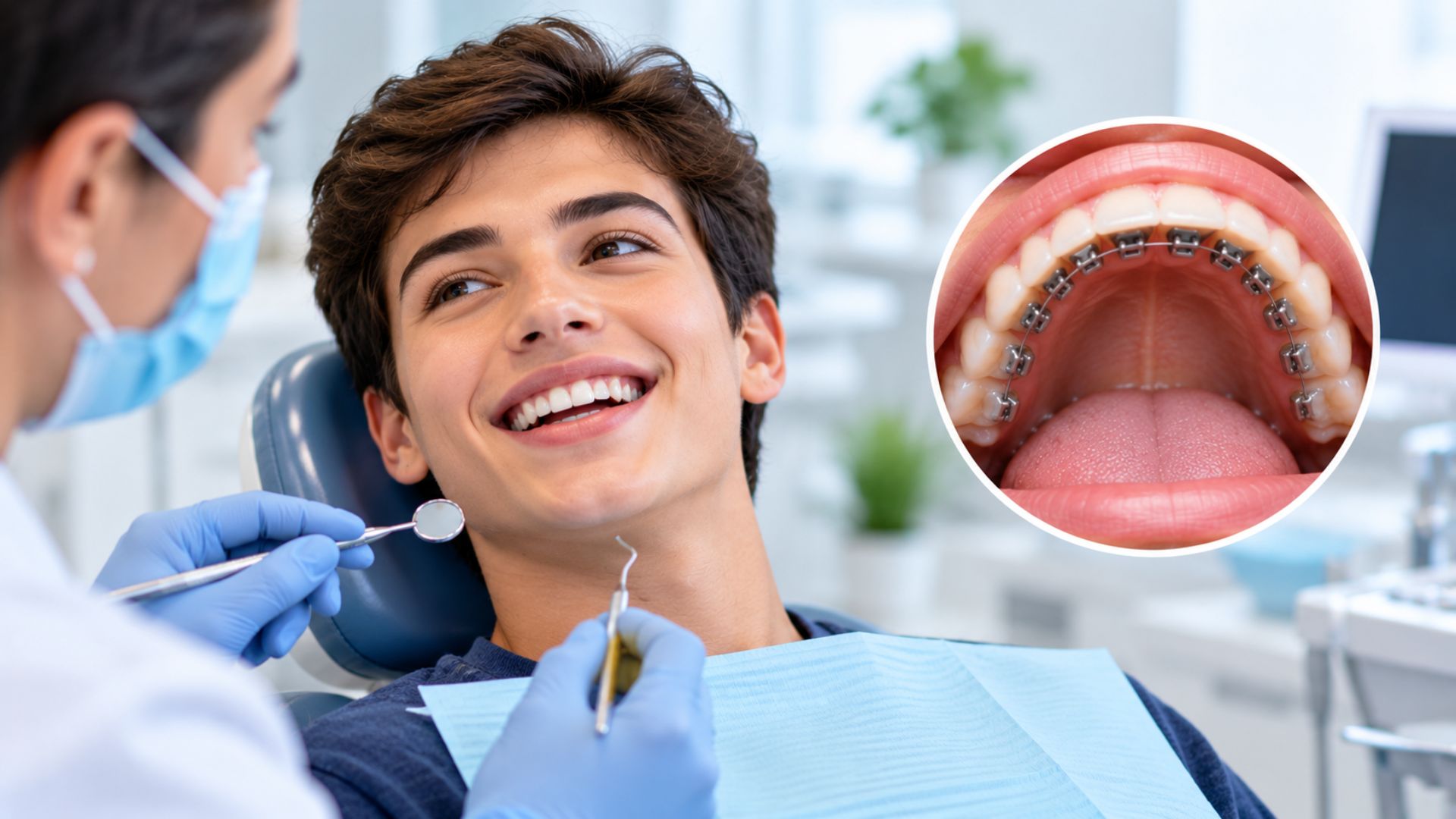
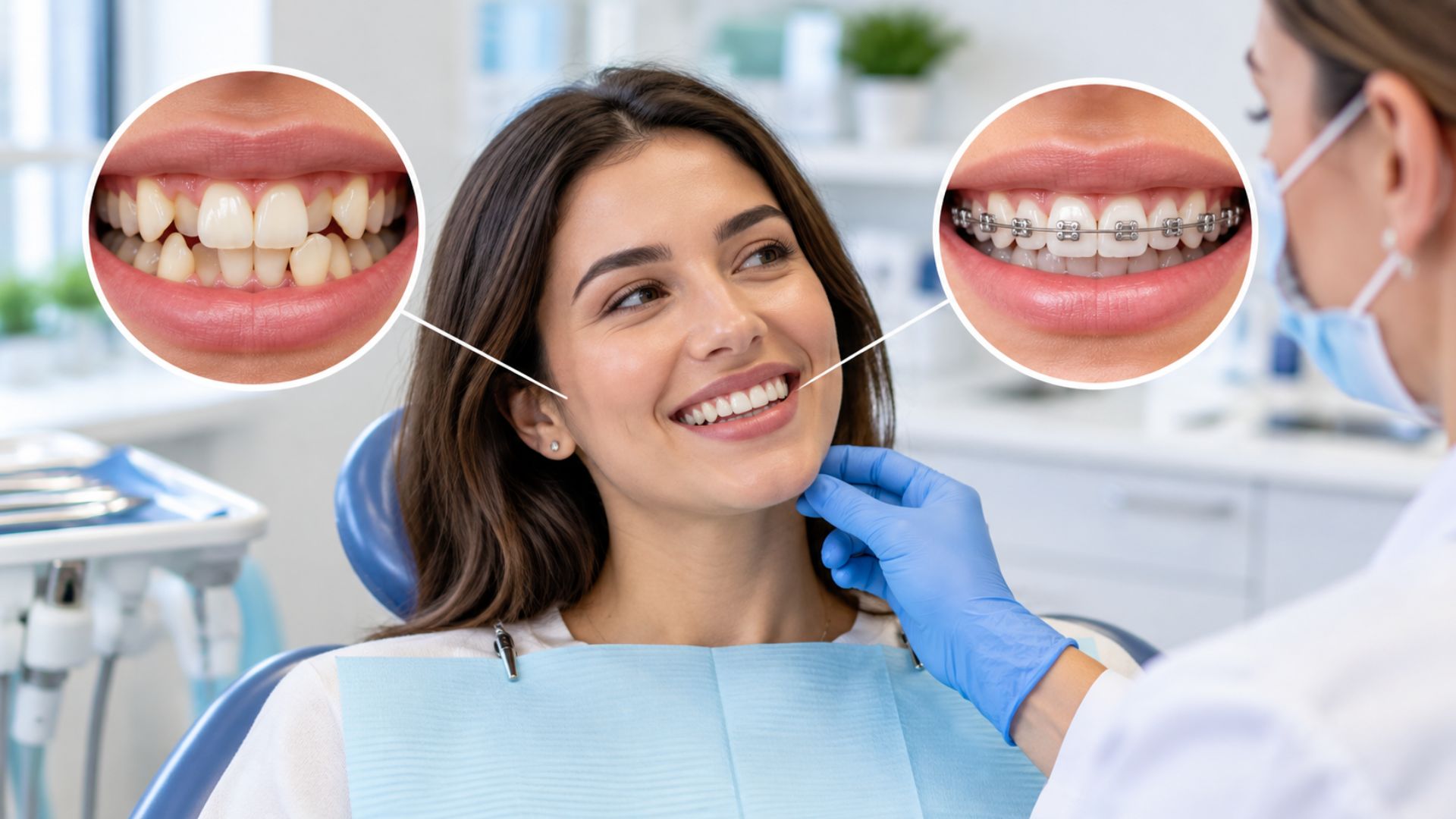
Braces work by applying gentle, steady pressure that moves teeth into better positions and lines up the bite. That does a few things at once. Straighter teeth have fewer hidden traps, so brushing and flossing reach more of each surface and daily cleaning becomes genuinely more effective. A corrected bite spreads the force of chewing more evenly across all the teeth, which reduces the odd wear and the overloading that leads to cracks. And when the jaw closes the way it is meant to, the muscles and joints often have an easier time.
The gain, in other words, is preventive. You are not just buying a straighter smile, you are lowering the odds of decay, gum problems, and expensive repairs down the track. It is a similar logic to regular check-ups, where a little effort now heads off bigger trouble later, as our piece on why preventive care is the most cost-effective smile investment explains. The cosmetic result is real and matters to people, but it sits on top of a solid health reason, which is what makes braces more than a vanity project. If your teeth are crowded or sticking out, our guide on crowded or protruding front teeth shows the kinds of cases treatment helps most.
When doing nothing is a fair choice
Honesty matters, so it is worth saying plainly: braces are not always the right answer, and a good clinician will tell you when they are not. If your teeth are only very slightly crooked, your bite is healthy, and you are cleaning well with no signs of wear or gum trouble, then treatment may be optional and largely cosmetic. In that situation, choosing to leave things alone is perfectly reasonable, and you should not feel pushed.
Braces also ask something of you. They involve a real commitment of time, usually many months to a couple of years, along with cost and the effort of keeping everything clean during treatment. Those are genuine trade-offs, not fine print. The sensible way to decide is not to assume every crooked tooth must be fixed, nor to ignore a bad bite and hope for the best, but to have it assessed and get an honest read on whether your case is cosmetic or one where waiting carries a real cost.
Age is less of a barrier than people think
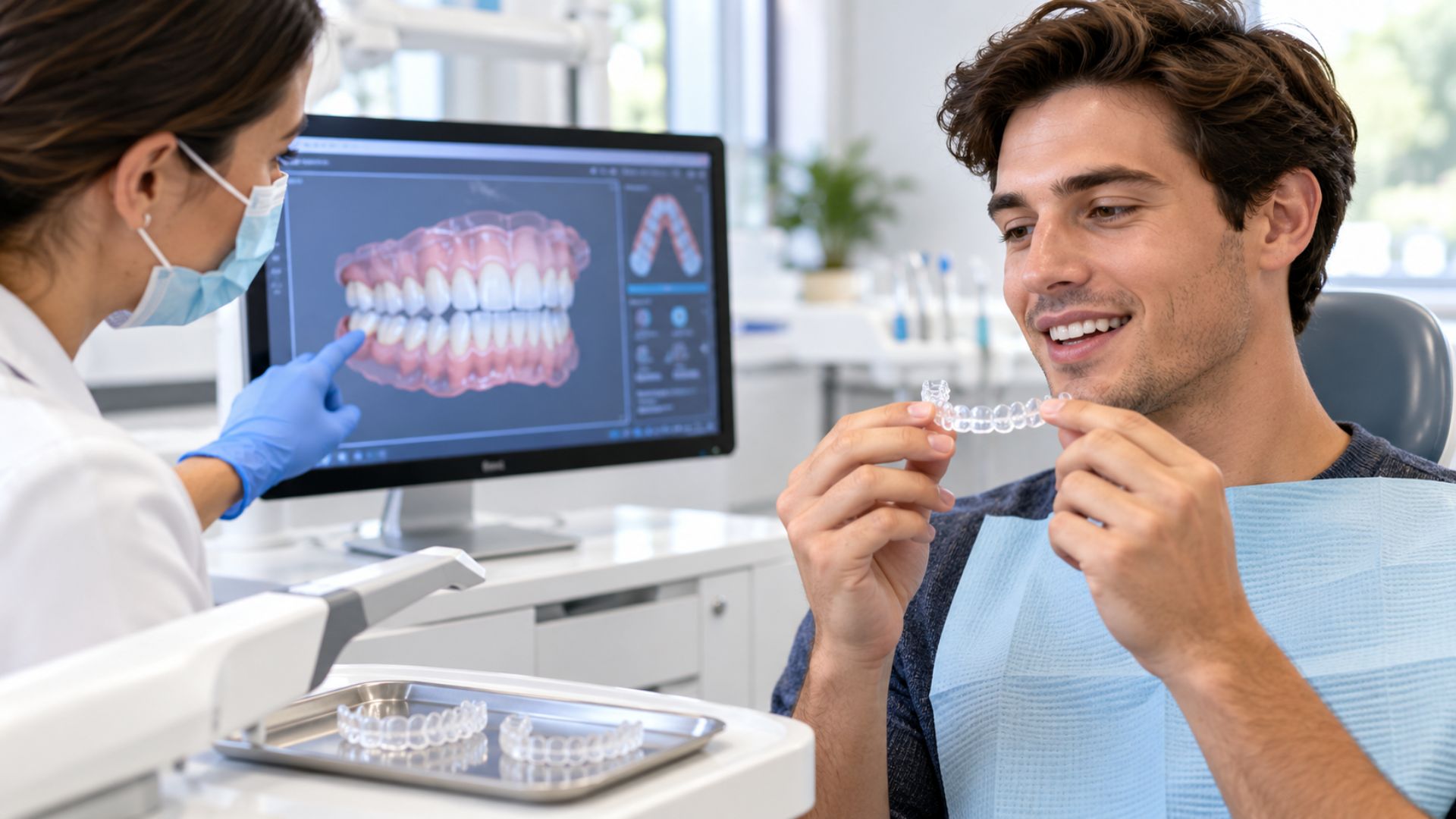
One common reason adults do nothing is the belief that braces are only for teenagers. That is a myth worth retiring. Teeth can be moved at almost any age, and more adults are treated now than ever, often with discreet options like clear aligners or tooth-coloured braces rather than obvious metal. The health reasons for straightening teeth do not expire at eighteen, and in some ways they grow, since gum disease and wear become more of a concern with age. Finding the right practitioner is the real first step, and our guide on choosing an orthodontist in Canberra covers what to look for.
Frequently asked questions
What happens if I never fix my crooked teeth? Often nothing dramatic in the short term, which is why it gets left. Over years, though, crowded teeth and a poor bite raise the risk of decay, gum disease, uneven wear, and jaw strain. Whether that happens depends on your specific case, so an assessment is the only way to know if waiting carries a real risk for you.
Are braces worth it just for appearance? They can be, but the stronger case is health. Straighter teeth are easier to keep clean and a balanced bite protects against wear and cracks, so most treatment delivers both a cosmetic and a functional benefit. If a case is purely cosmetic and everything is healthy, treatment is a personal choice rather than a necessity.