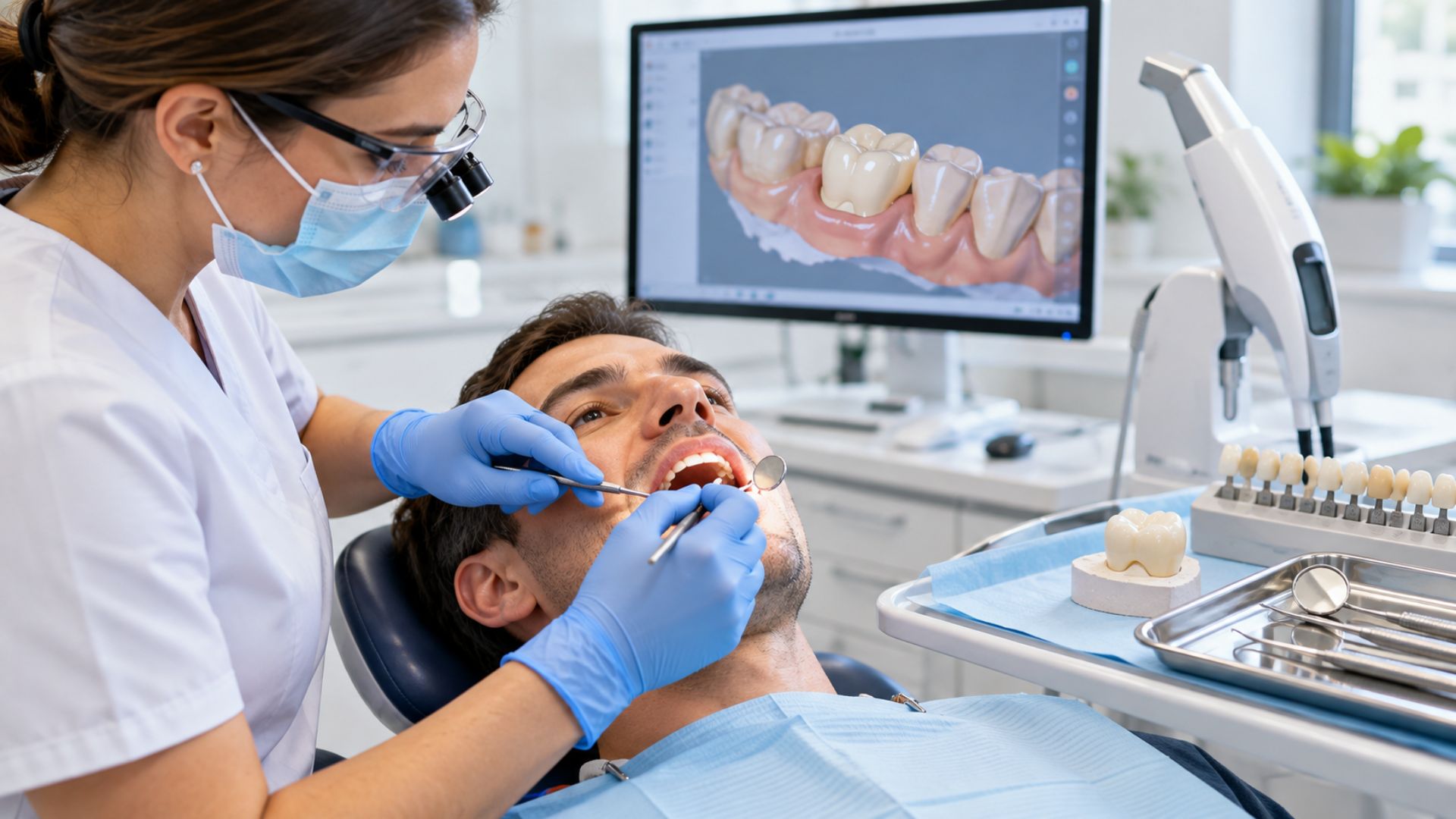

Composite bonding is a quick, gentle procedure where the dentist applies a tooth-coloured resin to your tooth, sculpts it into shape, and hardens it with a bright light. It is used to repair or improve the look of a tooth, and it is usually done in a single visit with no drilling and, in most cases, no needle. There are no moulds and no lab, so you walk out the same day with the result. It is one of the most versatile and least invasive treatments in dentistry, and here is exactly how it works.
What composite bonding is used for
Bonding is a fix-it-all technique, which is part of why it is so popular. The same resin and method can be used to:
Repair a chipped or cracked tooth
Close small gaps or spaces between teeth
Rebuild worn or uneven edges
Reshape a tooth that looks too short or pointed
Cover a discoloured spot that whitening will not shift
Fill a small cavity with a natural-looking, tooth-coloured filling
Because it adds material rather than removing much, bonding is a conservative choice, and it can often be undone or adjusted later. When it is used to cover the whole front of several teeth for a cosmetic makeover, that is usually called composite veneers, but the underlying technique is the same.
The bonding process, step by step
Whether it is one small chip or a bit of reshaping, the appointment follows the same clear sequence.
Shade matching. The dentist selects a resin shade that blends with your natural tooth, so the repair disappears into your smile.
Preparing the surface. The tooth is cleaned and the surface is lightly roughened, then a mild etching gel is applied for a few seconds and rinsed off. This gives the resin something to grip. There is usually no drilling.
Applying the bonding liquid. A thin bonding agent is painted on and set with the curing light. This is the layer that locks the resin to the tooth.
Sculpting the resin. The dentist applies the soft, putty-like composite and shapes it by hand, building up the chip, edge, or contour. For a natural look it is added in thin layers.
Curing with the light. A blue light hardens each layer in seconds, so the resin sets solid as the dentist works.
Trimming and polishing. Once set, the dentist refines the shape with fine instruments and polishes it to a smooth, natural shine that resists staining.
Checking your bite. Finally the dentist checks how your teeth meet and smooths any high spots so it feels comfortable.
What it feels like
For most people, composite bonding is completely painless, and often no anaesthetic is needed. Because little or none of the natural tooth is removed, there is usually nothing to numb. You will feel some gentle pressure, the cool air, and the curing light, but not pain. If bonding is being used to fill a cavity where decay must be cleaned out first, the dentist may numb the area, so let them know if you feel any sensitivity.
How long it takes
Bonding is fast. A single tooth typically takes around 30 to 60 minutes, and it is nearly always done in one appointment. There are no impressions to send away and no temporaries to wear, so the repair is finished and polished before you leave. That speed, alongside the gentle approach, is a big part of why bonding is such a common choice for small cosmetic fixes.
How long it lasts, and looking after it
With good care, composite bonding usually lasts around five to ten years before it needs a touch-up or replacement, depending on where it is and how it is treated. The resin is strong but not indestructible, so a few habits help it last. Avoid biting hard things like ice, pens, or fingernails, and do not use your bonded teeth to open packaging. Composite can pick up stain over time, so going easy on coffee, tea, and red wine, and keeping up the habits in our tips for a bright smile between visits, keeps it looking fresh. If a piece does chip, it can often be repaired quickly rather than redone entirely. Brush and floss as normal, and keep up your regular dental visits, and bonding sits comfortably alongside your other general and cosmetic care.
Frequently asked questions
Does composite bonding hurt? Usually not. Because little or none of the tooth is removed, most people need no anaesthetic and feel only gentle pressure and the curing light. If bonding is used to fill a cavity where decay is cleaned out first, the dentist can numb the area for comfort.
How long does composite bonding last? Around five to ten years with good care, depending on the tooth and your habits. Avoiding hard foods, limiting staining drinks, and keeping up regular dental visits all help it last, and a chip can often be repaired in a single quick appointment.