For porcelain veneers, your out-of-pocket cost is close to the full fee, because they are treated as cosmetic. Medicare does not cover cosmetic veneers, and most private health funds pay little or nothing towards them. Unless your case counts as repairing damage, plan to pay the whole amount yourself. Veneers are also quoted per tooth, and almost nobody has just one, so the total depends heavily on how many teeth you treat.
That is the short answer. The longer answer, and the part that decides your real bill, is why the rebate is so small and how to keep the total sensible. Here it is in full.
Why "out of pocket" is almost the whole bill
This is the bit that surprises people. With most dental work, like a filling or a check-up, your health fund extras chip in and you pay the gap. Veneers are different.
Medicare does not fund cosmetic dental treatment at all. Porcelain veneers placed to improve how your smile looks fall squarely in that category, so there is no government rebate. Private health insurance follows similar logic. Insurers only pay for treatment they consider necessary, and a purely cosmetic veneer is not necessary in that sense. So on a standard extras policy, the rebate towards a cosmetic veneer is usually zero.
That is why the phrase "out of pocket" matters so much with veneers. For a filling, out of pocket might be a fraction of the fee. For cosmetic veneers, out of pocket is nearly all of it. Going in expecting that saves a nasty shock at reception.
When a health fund might pay a little
There is one honest exception worth knowing. If a veneer is not purely cosmetic, say it is rebuilding a front tooth that was chipped or fractured in an accident, some funds treat it as restorative rather than cosmetic. In that situation a partial benefit can apply.
A few conditions usually come with it. You generally need a higher level of cover, often called Major Dental or Top Extras, not a basic policy. Waiting periods apply, and for major dental items these can run up to 12 months from when you join or upgrade. Annual limits cap how much you can claim in a year, so even when a benefit exists it rarely covers a full set. The safest move is to ring your fund before you book, quote the specific item number your dentist gives you, and ask them in writing what they will pay. You can read more about how health funds and payment plans work before your appointment.
Do not assume, though. For most people wanting a nicer smile, the answer from the fund will be no, and the whole cost is yours.
What you are actually paying for
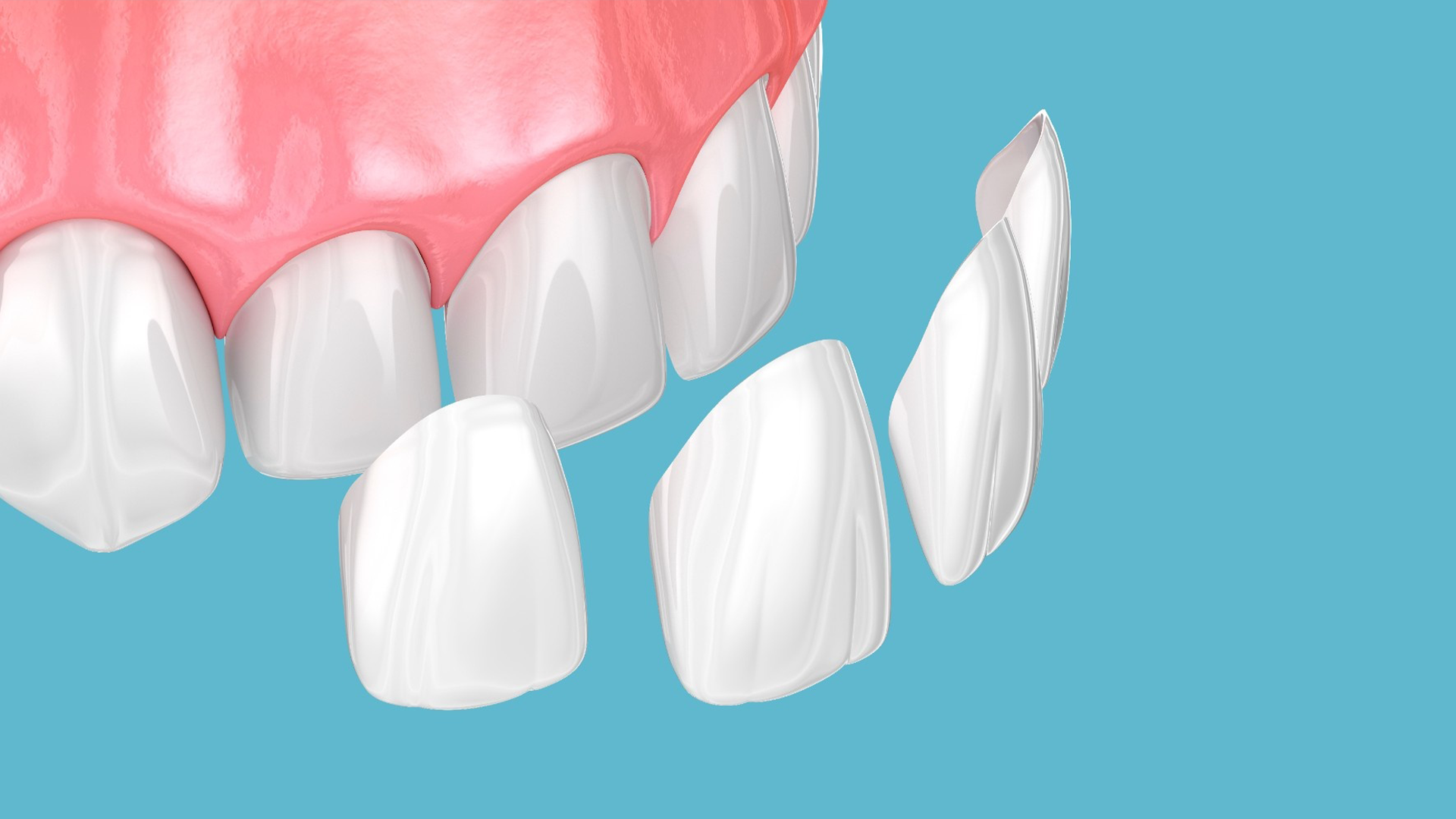
A porcelain veneer costs what it does because a lot goes into each one. Knowing the parts helps you judge whether a quote is fair.
The consultation and planning.
Photos, moulds or scans, and sometimes a mock-up of the final result before anything is touched.
The dentist's time and skill.
Preparing each tooth, taking precise impressions, and bonding the veneers so they sit right and bite right. Cosmetic work is exacting.
The lab.
Each porcelain veneer is custom made by a dental ceramist. Better labs cost more and it shows in the result.
The material.
Porcelain is stronger and more natural-looking than composite, and it resists staining, which is a big part of the price gap.
Temporaries.
You often wear temporary veneers while the lab makes the real ones, which adds a step.
More teeth means a bigger bill, though the per-tooth figure sometimes eases a little on larger sets. Veneers are part of cosmetic and restorative dentistry, and a good dentist will walk you through each of these costs rather than hand you one lump figure.
How to get a quote for porcelain veneers
There is no standard price for veneers, because the fee depends on how many teeth you treat, the condition and shape of those teeth, the lab work involved, and whether porcelain is even the right answer for you.
At a cosmetic consultation we assess your teeth, discuss what is actually bothering you about your smile, and set out the realistic options, including the ones that cost considerably less than porcelain. If veneers suit you, we can often show you a mock-up of the result before you commit. You then receive a written, itemised quote covering the number of teeth, what is included, and the payment plan options available. There is no obligation to proceed.
To arrange that, call the clinic on (02) 6241 5941 or book online.
Composite veneers: the lower out-of-pocket option
If porcelain is out of reach, composite veneers are the usual fallback. Instead of lab-made porcelain, the dentist builds the veneer straight onto your tooth with tooth-coloured resin, often in a single visit.
The out-of-pocket saving is substantial. The trade-offs are honest ones. Composite does not last as long, usually 5 to 7 years against porcelain's 10 to 15, and it stains more easily over time. It also does not have quite the same glassy, natural depth. For a lot of people, though, it is a sensible way to get a big improvement for a fraction of the outlay.
Ways to bring the out-of-pocket down
You cannot make veneers cheap, but you can make the payment manageable.
Interest-free payment plans over 6 to 24 months spread the cost into monthly amounts rather than one hit. Doing fewer teeth helps too. Many people only need their top six to look great, not a full arch. Choosing composite over porcelain, or a mix of the two, lowers the total sharply. And if the concern is really about colour rather than shape, professional whitening is far cheaper than veneers and worth asking about first.
Early release of superannuation is sometimes raised for major dental work, but the rules are strict and cosmetic treatment usually does not qualify, so do not count on it. Keeping your veneers healthy also protects the investment, which is one more reason not to skip your routine check-ups and cleans.
Are porcelain veneers worth the out-of-pocket cost?
For the right person, yes, but it is a genuine spend, so weigh it honestly. Porcelain veneers can transform a smile and last well over a decade with care, which brings the yearly cost down a lot when you do the maths over their lifespan. They are also low-maintenance and resist staining.
The honest counter-arguments matter too. Veneers are usually irreversible, because a thin layer of enamel is removed to fit them, so it is not a decision to rush. If your teeth are healthy and the issue is minor, whitening, a small amount of composite bonding, or clear aligners might get you most of the way for far less. And because none of it is covered, the cost is real money out of your own pocket, not a rebate-softened figure. A good cosmetic dentist will tell you when a cheaper option would serve you just as well.
Frequently asked questions
How much are porcelain veneers out of pocket? Close to the full fee, because veneers are cosmetic. Medicare pays nothing and most health funds pay little or nothing, so budget for the whole amount. The fee is quoted per tooth, so your total depends on how many you have done. We give you a written quote after a consultation.
Why can a clinic not quote veneers over the phone? Because the number of teeth, their condition, the lab work involved, and whether porcelain is the right choice all change the fee. Two people asking for "veneers on my top teeth" can need very different treatment.
Does private health insurance cover porcelain veneers? Usually not. Extras cover excludes purely cosmetic veneers. A partial benefit is only possible when a veneer repairs damage, such as a fractured front tooth, and only on higher levels of cover with waiting periods and annual limits. Check with your fund first.
Are composite veneers cheaper out of pocket than porcelain? Yes, considerably. Composite does not last as long and stains more easily, but the lower out-of-pocket cost suits many budgets, and it can be a way to trial a new smile before committing to porcelain.
Can I use my super to pay for veneers? Rarely. Early release of superannuation is tightly controlled and cosmetic treatment generally does not qualify. Most people use an interest-free payment plan instead to spread the cost.
How long do porcelain veneers last? With good care, porcelain veneers typically last 10 to 15 years, sometimes longer. Composite veneers last around 5 to 7 years. Regular check-ups and not using your teeth as tools help them last.