Having a tooth removed is the treatment people dread most, and usually for two quite specific reasons. They expect the procedure itself to hurt, and they have no clear idea what the following week is going to be like.
Both of those are answerable. The extraction is carried out under local anaesthetic and is generally far less dramatic than most people brace themselves for, while the healing afterwards follows a reasonably predictable pattern once you know which days matter and what to watch for.
What follows takes it in order, from whether the tooth needs to come out at all through to the gap it leaves behind.
When a tooth extraction is the right call, and when it is not
A tooth extraction should be the last option rather than the first, so it is worth understanding why a particular tooth has reached that point.
Most teeth that come out do so for one of a handful of reasons, and it is worth knowing which one applies to yours.
Decay has destroyed too much structure for a crown to hold onto
The tooth has split below the gum line, where it cannot be rebuilt
Advanced gum disease has loosened it beyond what treatment can stabilise
An infection has not settled despite root canal treatment
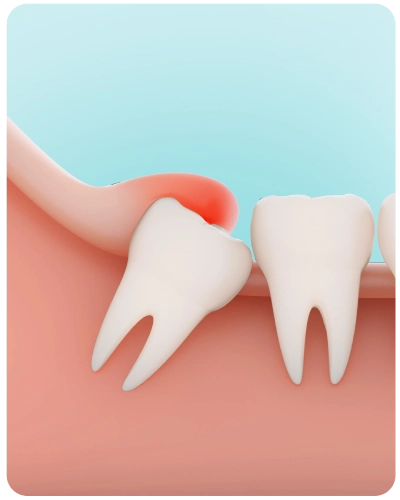
A wisdom tooth is impacted and causing repeated episodes of pain or swelling
There are also planned removals that have nothing to do with damage at all, such as clearing space before orthodontic treatment, or taking out a stubborn baby tooth that shows no sign of shedding on its own.
What matters is that you are told which category your tooth falls into. Where it could reasonably be saved, we will set out what that would involve and what it would cost, so removal is a decision you make rather than one that is made for you.
Which kind of extraction your tooth needs
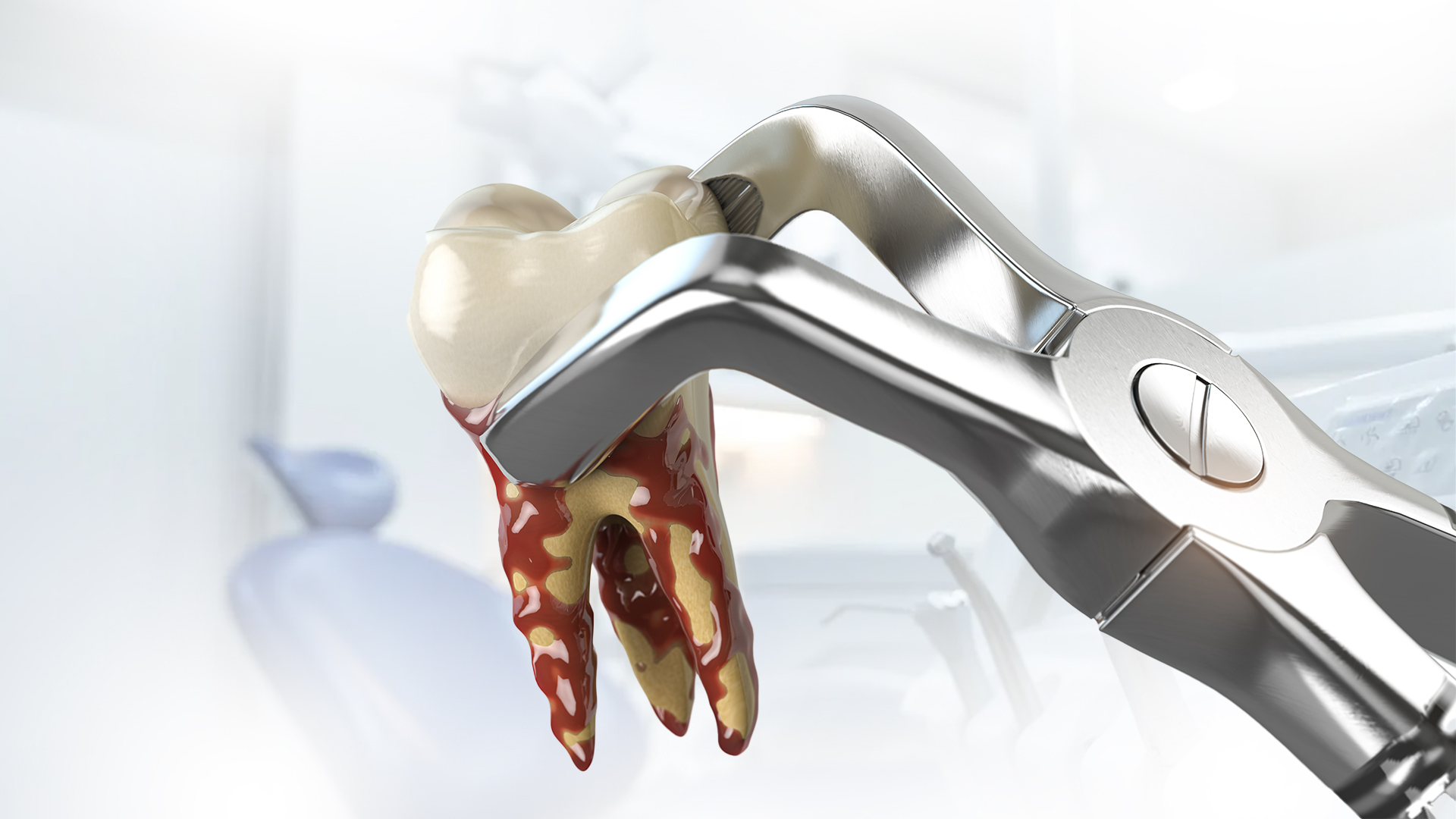
A tooth with an intact crown standing above the gum usually comes out in a simple extraction, loosened and lifted without any cutting. Where a tooth has broken off at gum level, has curved roots, or sits buried beneath the gum, a small incision is needed to reach it properly.
That second case is a surgical extraction. Knowing in advance which of the two applies to you changes what the following week is likely to look like, so it is worth asking.
What a tooth extraction actually feels like
You will feel pressure, and you should not feel pain. That distinction is the single most useful thing to understand before you sit down in the chair.
Local anaesthetic blocks pain signals but leaves pressure sensation intact, so the pushing and rocking involved in loosening a tooth is something you remain aware of throughout without it actually hurting. Patients frequently report that the sound was more unsettling than anything they physically felt.
The anaesthetic goes in first and is given time to take full effect, which we check rather than assume. From that point a simple extraction usually takes around 20 to 30 minutes, while a surgical one typically runs to somewhere between 30 and 60 minutes and may finish with a few dissolvable stitches.
If anything sharp registers at any stage, say so and more anaesthetic is given before we carry on. There is no prize for putting up with it quietly.
Before you leave, a gauze pack goes over the socket and you will be asked to bite down firmly for around 20 to 30 minutes. That pressure is what lets a clot form, and the clot is what the entire first week depends on.
The first 24 hours after your extraction
Everything in the first day after a tooth extraction is about protecting the blood clot sitting in the socket. Lose it and healing stalls painfully, which is what dry socket is.
Leave it alone. No rinsing, no spitting, no drinking through a straw, and no investigating the site with your tongue or fingers, because suction and swishing are precisely what dislodges a forming clot.
Manage the bleeding sensibly. Some oozing for a few hours is normal. If it continues, bite on fresh damp gauze for another 20 minutes rather than checking it every few minutes, since lifting the pressure repeatedly restarts the process.
Take pain relief before the numbness fades. Getting ahead of the discomfort works considerably better than chasing it once it has already arrived, and we will tell you what to take and roughly when to take it.
Ice, rest and elevation. Ice against the cheek in short spells reduces swelling over the first day. Keep your head raised when you lie down, and skip the gym, heavy lifting and alcohol entirely.
No smoking. This is not a general health lecture, but a specific one: the suction and the heat both disturb the clot, and smokers develop dry socket several times more often than non-smokers do.
Once the numbness has gone, eat soft and cool food and chew on the other side for the first couple of days. Yoghurt, cooled soup, scrambled egg and mashed potato all do the job without disturbing anything.
Tooth extraction recovery and how to avoid dry socket
Recovery follows a fairly reliable curve. Discomfort usually peaks around day two or three and then eases steadily, with swelling following much the same pattern.
By the end of the first week most people are eating fairly normally, although the socket itself takes a few weeks to close over and several months for the bone underneath to fill back in.
From the day after, gentle salt water rinses help keep the area clean. Use warm water with half a teaspoon of salt, and let it fall out of your mouth rather than spitting. Keep brushing your other teeth normally, avoiding the socket itself for the first few days.
Dry socket is the one complication worth understanding in advance. It happens when the clot is lost or breaks down early, leaving the bone beneath exposed, and it usually announces itself around day three to five with pain that is getting worse rather than better.
The ache often radiates towards the ear and responds poorly to ordinary pain relief, and there may be an unpleasant taste or odour alongside it.
It is uncommon, and considerably more likely after lower molar extractions, in smokers, and where the first-day instructions were not followed. It is also straightforwardly treated. The socket is cleaned and a medicated dressing placed, and the relief is usually quick, so there is nothing to gain by waiting it out.
Ring us promptly if pain is increasing after day three, if swelling is worsening rather than settling after day three, if bleeding restarts heavily, or if you develop a fever. Those are the four signals worth acting on.
What goes in the gap afterwards
A missing back tooth does not stay a simple gap. Neighbouring teeth gradually tilt into the space, the opposing tooth drifts down towards it, and the bone that once held the root slowly reduces because nothing is loading it any more.
That said, replacement is not compulsory in every case. Wisdom teeth are generally not replaced at all, and a missing tooth right at the back of the arch sometimes needs nothing doing to it either.
Option | Works well when | Worth knowing |
Leave the gap | A wisdom tooth, or the last tooth in the arch | Neighbouring teeth may still shift over time |
Denture | Several teeth are missing, or budget is the priority | Removable, and needs adjusting as the gum settles |
Bridge | The teeth either side are sound and need crowning anyway | Those neighbouring teeth have to be prepared |
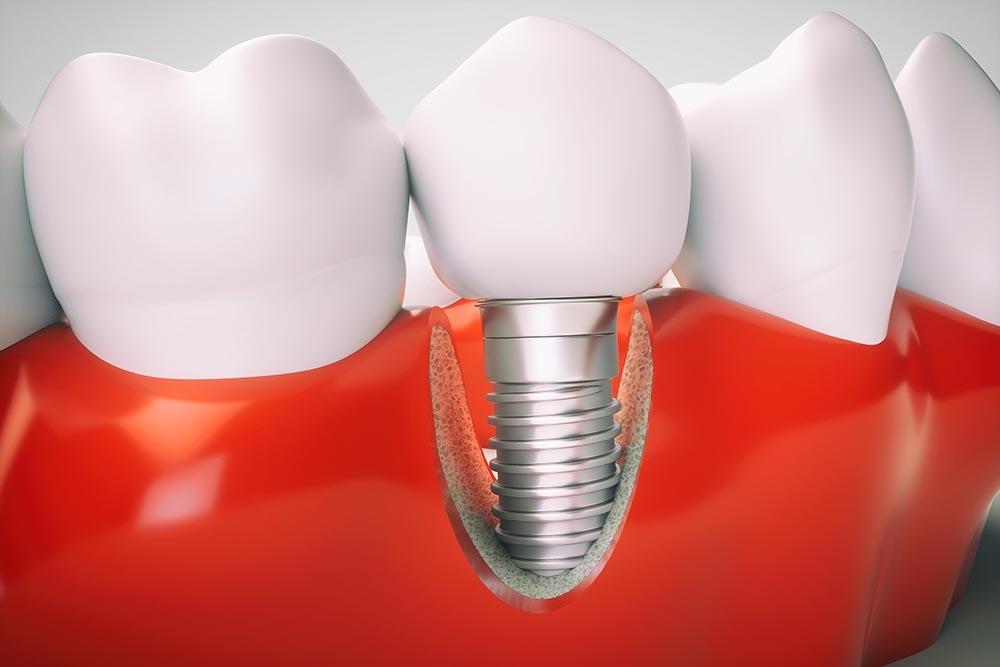
Implant | There is enough bone and general health is good | Highest cost, and usually placed months after healing |
Deciding this before the extraction is easier than deciding afterwards, particularly for an implant, since the timing of placement and whether the socket needs preserving are both decided on the day the tooth comes out.
What a tooth extraction costs, and what happens first
Whether a tooth can be saved, and what removing it would involve, comes down to an examination and an x-ray. Those show the root shape, the surrounding bone and how much structure is left, which is what separates a simple extraction from a surgical one.
You will get a written, itemised quote covering the extraction, any surgical component and the replacement option you choose, before anything is booked. Most extras policies contribute towards extractions, though implants and bridges sit under different limits with longer waiting periods, so it is worth checking with your fund while the quote is in front of you.
If a tooth has broken, is aching, or another dentist has already recommended extraction and you would like a second view, call Kaleen Family Dental on (02) 6241 5941 or book online for an appointment at Gwydir Square.