Types of Wisdom Teeth
Wisdom teeth are your third molars, the last set to come through at the back of your mouth. Most people get four, two on top and two on the bottom, though some only develop one or two. A few people never grow any at all.
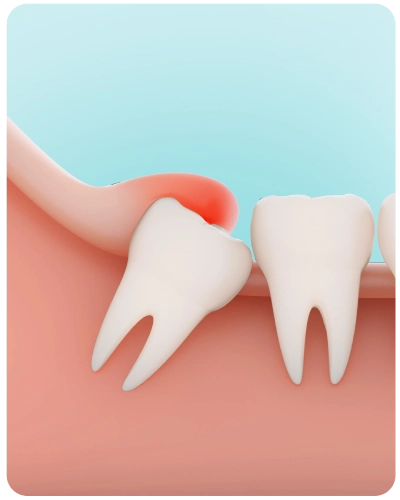
These teeth usually appear between the ages of 17 and 25. Some come through cleanly. Others stay buried in the gum or jawbone, push sideways into the tooth next door, or only erupt halfway and leave a flap of gum behind.
Warning Signs Your Wisdom Tooth Needs Removing Now
The pain rarely starts on its own. Most people notice a dull ache at the back of the jaw first, and it builds from there. If any of these feel familiar, it's worth booking an assessment soon.
You might feel a constant or throbbing pain near your back molars. The gum behind your last tooth could be red, swollen, or tender to touch. Sometimes a bad taste or smell sits in that area and won't go away.
Other signs include difficulty opening your jaw fully, headaches that won't lift, swollen lymph nodes under your jaw, and bleeding gums when you brush near the back. A few patients also notice their front teeth feeling crowded for no clear reason.
Do You Actually Need Your Wisdom Teeth Out If They Aren't Hurting Yet?
Not every wisdom tooth needs to come out. If yours have grown in straight, you can clean them properly, and they aren't crowding anything, leaving them alone is often the right call.
The picture changes when the tooth is impacted. An impacted tooth can sit quietly for years and then flare up suddenly, often at an inconvenient time like before a holiday or an exam. Cysts and damage to the neighbouring tooth can also build slowly without any pain at all.
A simple x-ray and check up is the only way to know which group you fall into. We'll tell you honestly if surgery isn't needed yet.
General Dentist or Oral Surgeon: Who Should Remove Them?
A general dentist can remove a straightforward wisdom tooth that has fully come through and is easy to grip. These cases are usually done in the chair under local anaesthetic and take less than half an hour.
If the tooth is impacted in bone, lying sideways, or close to a nerve, an Oral and Maxillofacial Surgeon (a specialist with extra surgical and hospital training) is the safer choice. The same applies if you want sleep dentistry, or if your medical history calls for hospital care.
Your dentist will usually take an x-ray first and refer you on if your case is complex. We can help arrange the right specialist in Canberra if needed.
How Does the Extraction Process Work?
Every removal starts with a panoramic x-ray (an OPG) so we can see the full shape and angle of each wisdom tooth before we touch anything.
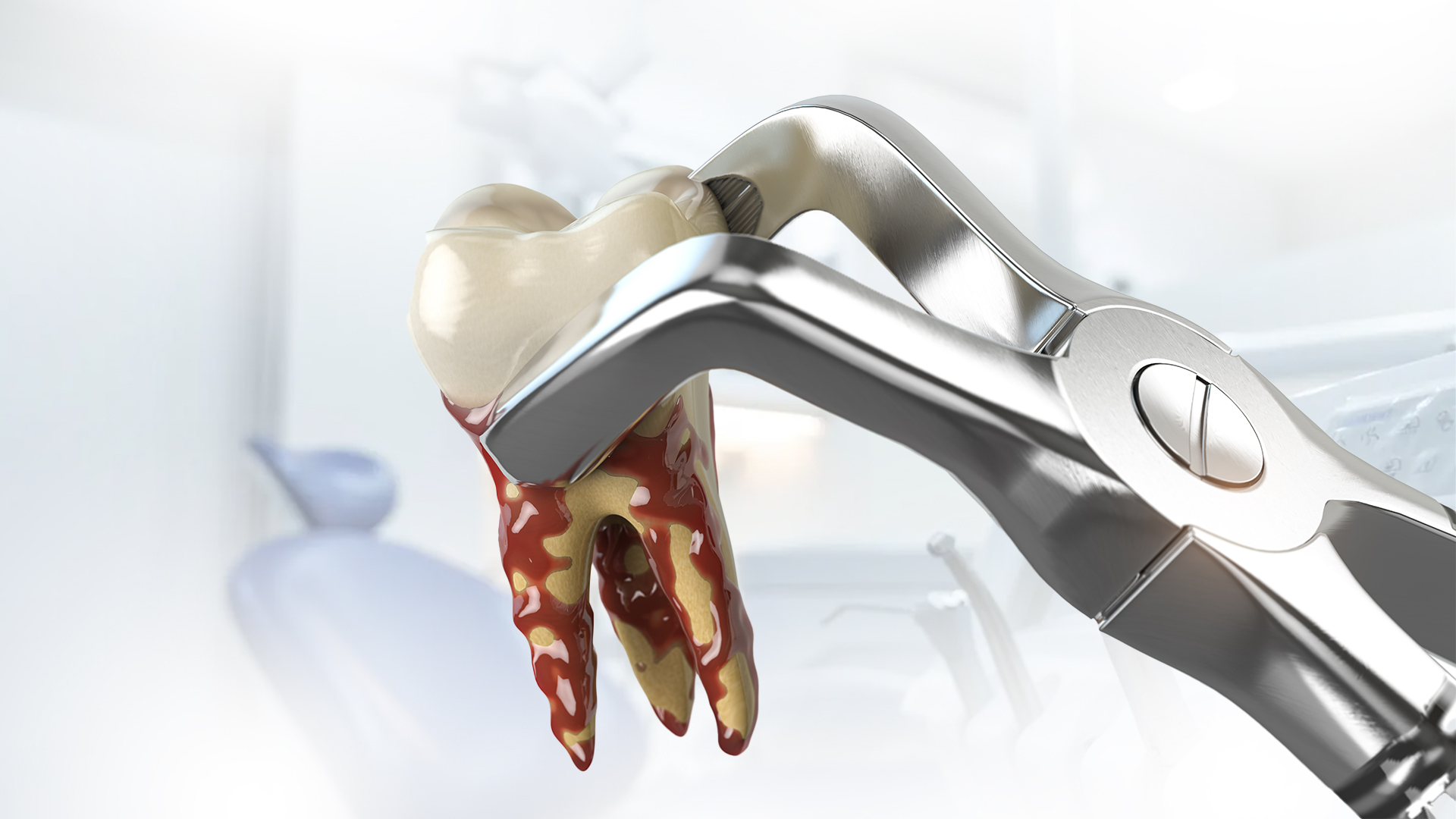
For a simple removal, the area is numbed with local anaesthetic. The tooth is gently loosened and lifted out, usually in one piece. You feel pressure but no pain. The whole appointment runs around 30 to 45 minutes.
A surgical extraction is needed when the tooth is buried or impacted. A small cut is made in the gum to reach the tooth, and a tiny amount of bone may be shaved away. If the tooth is lying sideways, it's often sectioned into pieces and removed bit by bit so the surrounding bone and nerve stay undisturbed.
Stitches are usually placed afterwards. Most are the dissolving kind, so you won't need a separate appointment to have them taken out.
Which Sedation Option Is Right for You?
You have three main choices. The right one depends on the complexity of your case, your anxiety levels, and your medical history.
Option | Best For | Awake During Procedure? | Drive Yourself Home? | Where It's Done |
|---|---|---|---|---|
Local Anaesthetic | Simple removal, calm patients | Yes, fully awake | Yes | In the dental chair |
Twilight (IV) Sedation | Nervous patients, two or three teeth | Drowsy, won't remember much | No, you'll need a driver | In-clinic or day surgery |
General Anaesthetic | All four teeth, complex impactions | No, fully asleep | No, you'll need a driver | Hospital day surgery |
Local anaesthetic alone suits patients who feel calm and have a straightforward removal. The area is fully numb so you feel pressure but no pain, and you can drive yourself home afterwards.
Twilight sedation is a popular middle option for nervous patients. You're deeply relaxed and won't remember much of the procedure, but you're not fully asleep.
General anaesthetic suits complex impactions, all four teeth at once, or patients who'd rather sleep through it entirely. We'll walk through the pros and cons of each option at your consultation.
How Should You Prepare for Wisdom Tooth Surgery?
The prep depends on which anaesthetic you're having. For a local anaesthetic appointment, eat a normal meal beforehand so you aren't light headed, and take any regular medications as usual.
For IV sedation or general anaesthetic, you'll need to fast (no food or drink) for six hours before the procedure. Wear loose, comfortable clothing and leave jewellery, contact lenses, and makeup at home.
Arrange for an adult to drive you home and stay with you for the first 24 hours. Stock the fridge with soft foods like yoghurt, soup, smoothies, and mashed potato, and pick up your prescribed pain relief in advance so you aren't running to the chemist while still numb.
How Much Does Wisdom Tooth Removal Cost in Canberra?
The cost varies quite a bit between patients, and there isn't really a single price for the procedure. A straightforward removal in the chair under local anaesthetic sits at the lower end. A surgical case with twilight sedation costs more, and a full hospital day surgery under general anaesthetic is the most involved.
Most major health funds cover part of the procedure under their extras or hospital cover. Eligible patients can also access early release of superannuation for surgical wisdom teeth, and payment plans are available. We'll give you a clear written quote at your consultation before anything is booked.
What Does a Day-by-Day Wisdom Tooth Recovery Timeline Look Like?
Most patients are back to normal in about a week, though full healing of the socket takes longer underneath.
In the first 24 hours expect some bleeding, swelling, and numbness as the anaesthetic wears off. Bite firmly on the gauze pad we give you, rest with your head propped up, and stick to cold soft foods like yoghurt and smoothies.
Days two and three are usually when swelling peaks. Cold packs on the cheek (20 minutes on, 20 minutes off) help keep it down. Bruising on the jaw is normal and fades in a few days.
By day four or five, the swelling settles and the pain eases off. You can start eating warm soft foods again. Most people are ready to head back to work or study by day seven, and by the end of week two the gum has closed over.
How to Avoid Dry Socket & 6 Other Post-Surgery Mistakes
Dry socket happens when the blood clot in the empty socket comes loose too early. It's painful and it slows healing, but it's also avoidable.
For the first 72 hours, don't drink through a straw, don't smoke or vape, and don't spit forcefully. All three create suction that pulls the clot away.
The other common slip ups are skipping your salt water rinses after day one, brushing too hard near the surgical site, eating hard or crunchy food too soon, and stopping your pain relief before the swelling settles. Heavy exercise in the first 48 hours can also restart bleeding.
If pain suddenly gets worse on day three or four, call us straight away.
Why Choose Us for Wisdom Tooth Removal in Canberra?
Wisdom tooth removal is one of the most common procedures we perform, and we've looked after thousands of Canberra patients through it. Every case starts with a thorough x-ray and a proper conversation about your options, including whether surgery is needed at all.
You'll see the same clinician through your consultation, surgery, and follow up. We're happy to answer any question, big or small, and there's no pressure to book on the day.
Frequently Asked Questions
Do all four wisdom teeth need to come out at the same time?
Not always. If only one or two are causing trouble and the others are sitting comfortably, you can have just the problem teeth removed and leave the rest alone. That said, most patients who choose general anaesthetic prefer to have all four done in one visit so they only go through recovery once. Your x-ray and consultation will help you decide what makes sense for your case.
How long does the actual surgery take?
For a single straightforward extraction, the appointment runs around 20 to 30 minutes. A surgical removal of an impacted tooth takes closer to 45 minutes. If all four are being done under general anaesthetic, the procedure itself usually lasts between 60 and 90 minutes. The full visit will be longer once you add in preparation and supervised recovery before you go home.
Will having my wisdom teeth removed change my face shape or smile?
No. Wisdom teeth sit too far back in the mouth to affect the shape of your jawline or the look of your smile. You may notice some swelling for a few days after surgery, but your face returns to its normal shape once that settles. Removing them doesn't shift the rest of your teeth either.
Can I have wisdom teeth removed while I'm pregnant?
Most dentists prefer to wait until after pregnancy if the wisdom tooth isn't causing a serious problem. X-rays and certain anaesthetic options are usually avoided during the first and third trimesters. If the tooth is infected or painful, the second trimester is generally the safest window. Always let us know if you're pregnant or trying to conceive at your consultation.
Will I need antibiotics or strong painkillers afterwards?
Most patients manage well on over the counter pain relief like paracetamol and ibuprofen for the first few days. Antibiotics aren't always needed for a simple removal, but we'll prescribe them if there's existing infection or if the case is surgical. Stronger painkillers are kept for complex impactions, and we'll talk through exactly what you need before you leave the clinic.