Teeth grinding is more common than most people realise. It often happens at night, without you knowing it. You only notice the aftermath, such as a sore jaw, morning headaches, or worn-down teeth your dentist spots during a routine check-up.
If a night guard hasn't fully solved the problem, you may have heard about Botox. It has become a popular option for stubborn grinding and jaw clenching.
But you probably have questions. Does it actually work? Will it change your face? How much does it cost?
Let's walk through it together.
Does Botox Actually Stop Teeth Grinding?
The honest answer is that Botox reduces grinding. It doesn't always cure it.
Botox works by relaxing the muscles that power your jaw. When those muscles can't clench as hard, the grinding becomes far less forceful. Many patients notice less jaw pain, fewer tension headaches, and better sleep.
A 2017 clinical study found that nearly half of bruxism patients treated with Botox were "much improved" or "very much improved." None of the placebo group improved.
That said, Botox isn't a magic switch. Some people still grind a little, just with less intensity. For most, the relief is significant and life-changing. It simply works best as part of a wider plan, rather than a one-off fix.
How Botox Relaxes Your Jaw Muscles
To understand the treatment, it helps to know which muscles are involved.
When you clench, the main muscle doing the work is the masseter, the thick muscle on the side of your jaw. The temporalis muscle at your temple often joins in too.
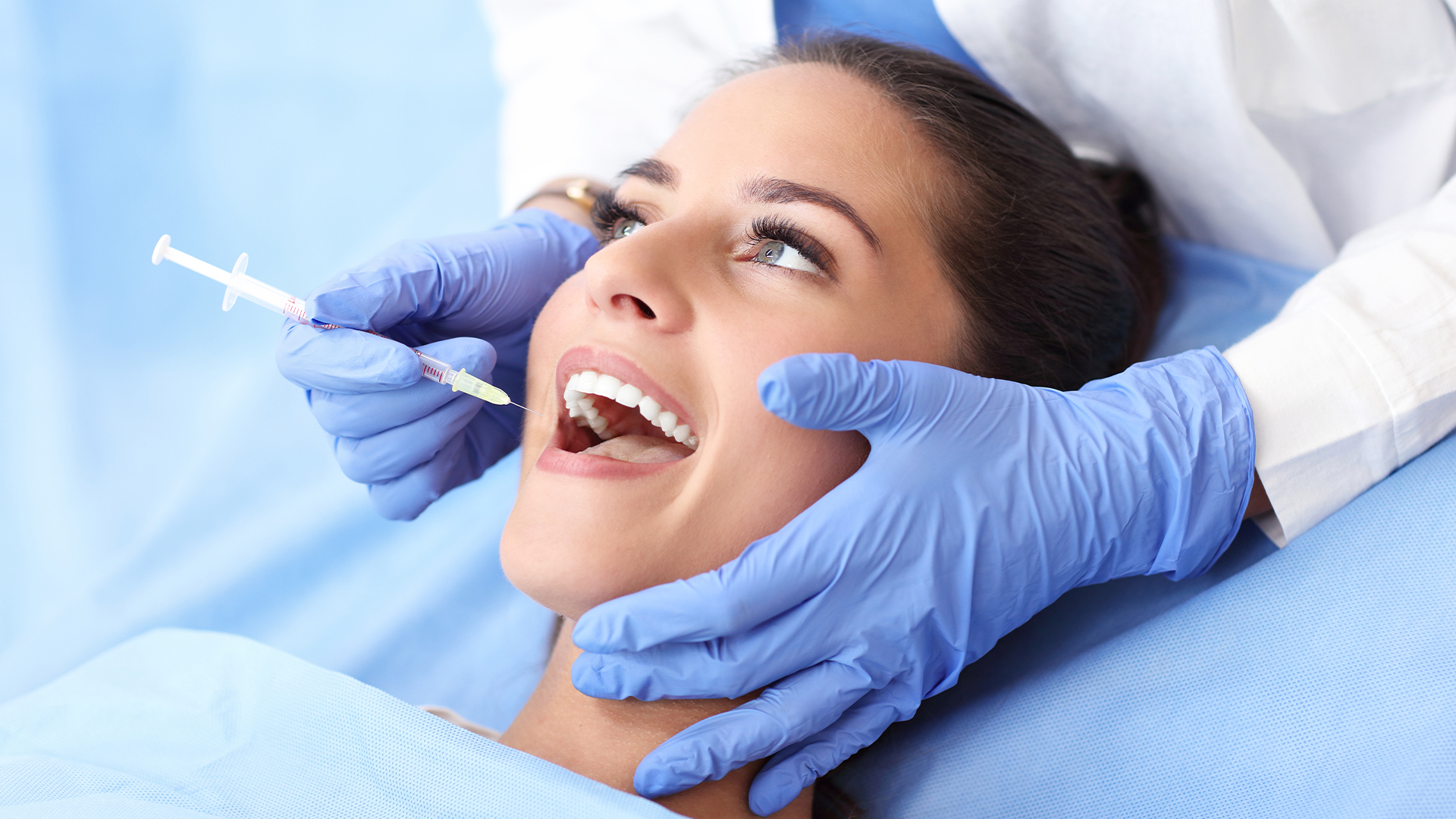
Botox is injected directly into these overactive muscles. It gently reduces their ability to contract with full force.
Importantly, it doesn't freeze your jaw. You can still talk, eat, and smile normally. The muscle simply can't clench as aggressively as before.
Most patients feel the effect within one to two weeks. Results typically last three to four months, after which the treatment can be repeated.
How Many Units of Botox Will I Need?
This is where personalisation matters.
The number of units depends on the strength of your jaw muscles and the severity of your grinding. People with strong, well-developed masseters need more.
As a general guide, treatment often involves around 20 to 30 units per side. Heavy grinders may need more.
Too little, and the results disappoint. Too much, and you risk affecting your bite or appearance.
This is why dosing should never be guesswork. A qualified practitioner assesses your muscles, your grinding pattern, and your goals before recommending an amount tailored to you.
Will Botox Slim My Jaw or Change My Face?
This is the question we hear most often, and it's a fair one.
Because the masseter is a muscle, relaxing it over time can lead to a slightly slimmer jawline. For many people, this is actually a welcome bonus, creating a softer, more contoured look.
For others, especially those who like their defined jaw, it's a genuine concern. Some worry about looking older or noticing changes around the cheeks.
Here's the reassuring part. These changes are gradual, subtle, and reversible. If you stop treatment, the muscle returns to its natural size over time.
The key is correct placement and dosing. When Botox is injected accurately by an experienced hand, your facial balance is protected. Dramatic changes usually come from too much product or poor technique, not from the treatment itself.
A proper consultation is the best way to set expectations and avoid surprises.
Botox or a Night Guard: Which Should I Choose?
Night guards have long been the standard treatment for grinding. And they remain valuable.
A custom night guard acts as a cushion between your upper and lower teeth. It protects your enamel from damage caused by grinding.
But here's the limitation. A night guard protects your teeth. It doesn't stop the clenching itself. Many people still wake with a sore jaw and headaches.
Botox offers a different approach. Instead of just shielding the teeth, it targets the overactive muscles causing the problem.
So which is better? Often, the answer is both.
A night guard guards your teeth while Botox eases the underlying muscle tension. Together, they address both the damage and the cause.
Because grinding is so often linked to how you sleep, it can also be worth exploring sleep-focused dental care to understand what's driving it. The best way to decide is a conversation about your symptoms, your lifestyle, and what's been working, or not working, so far.
Side Effects, Risks and What to Expect
Botox for teeth grinding is considered safe when performed by a trained professional. The procedure is quick, and most people return to their day immediately.
Like any treatment, there are possible side effects. Most are mild and temporary.
These can include minor bruising or tenderness at the injection site, a temporary headache, or a brief feeling of muscle weakness while chewing.
In rare cases, slightly uneven results or a lopsided smile can occur, but these settle as the effect balances out.
To get the most from your treatment, you'll be advised to stay upright for a few hours and avoid rubbing the area.
Choosing an experienced practitioner is the single most important factor in a smooth, predictable result. Skill and accurate placement make all the difference.
How Much Does It Cost and Is It Covered?
Cost is a practical concern, and it's worth being upfront about it.
In Australia, Botox for bruxism is usually priced according to the number of units required. Because heavier grinders need more product, your final cost reflects your individual treatment plan.
As a guide, treatment typically ranges from a few hundred dollars per session, repeated every few months to maintain results.
Many people ask about private health insurance. Because the treatment sits between medical and cosmetic care, coverage varies. Some health funds may offer a rebate, while others won't. It's always worth checking your health fund and payment options before you book.
The clearest way to understand your cost is a personalised assessment.
Ready to Stop the Grind?
You don't have to live with a sore jaw, broken sleep, and worn-down teeth.
Botox for teeth grinding offers real relief for many patients. It works gently, safely, and with results you can feel.
The best next step is a consultation. We'll assess your grinding, answer your questions honestly, and design a treatment plan that suits your goals and your face.
Book your consultation today and take the first step toward a calmer jaw and better mornings.