A session of Botox for a clenching jaw runs roughly $350 to $900 in Australia, and that range hides almost everything worth knowing. It is not just a wrinkle treatment borrowed for your jaw. It works on the muscle, not the joint, and not the habit driving it. Most guides stop at “it relaxes the masseter” and leave you to work out the rest: what the appointment involves, how long relief lasts, what it actually costs here, and when a night guard does the same job for less. Here is the straight version.
How does Botox calm a clenching jaw?
The masseter is the thick muscle on the side of your jaw that powers chewing. In people who clench or grind, it fires too hard and too often, usually overnight when you have no control over it. A small dose of botulinum toxin injected into that muscle blocks the nerve signal telling it to contract at full force. The muscle keeps working for talking, biting and eating, just with less power behind the clench. That drop in force is what eases the morning jaw ache, the tension headaches and the slow wear on your teeth.
Worth being clear on one thing. It does nothing to the jaw joint itself, and nothing to the stress or sleep patterns causing the grinding. It buys an overworked muscle a rest, which is genuinely useful, but it is managing a symptom, not fixing a cause.
What actually happens at the appointment?
The first visit is an assessment, not an injection. A practitioner feels the muscle while you clench, checks how bulky it is on each side, and sets the dose from there. A clenching masseter usually needs more units than a frown line, commonly around 20 to 30 per side, sometimes more for a heavy grinder.
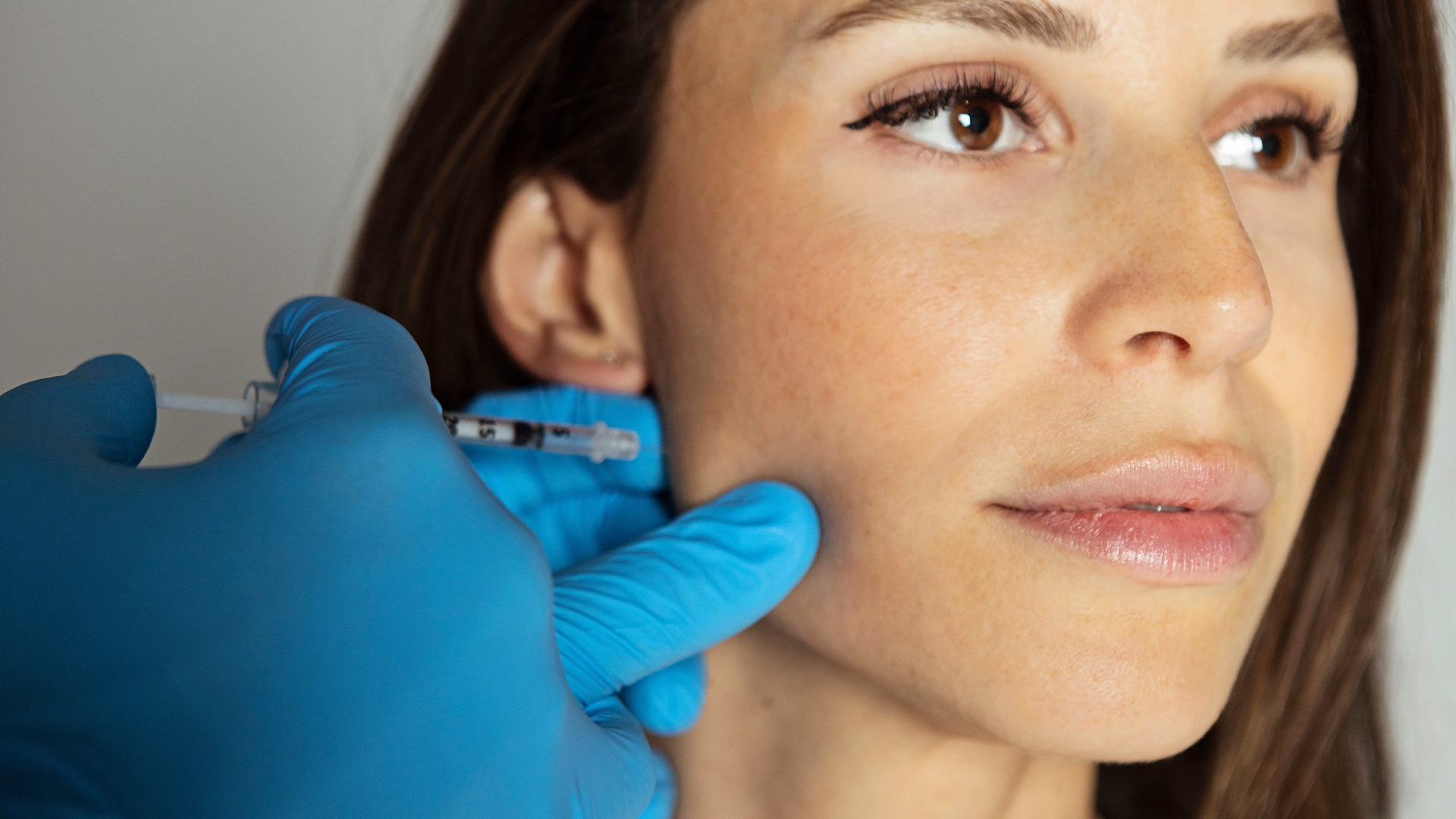
The injection itself takes about ten to fifteen minutes. A few fine needles go into the belly of each muscle, no anaesthetic needed, and you walk out straight after with no downtime. Expect mild chewing fatigue for a day or two, as if you had been chewing gum too long. Hard, chewy foods on day one are not the best idea. Beyond that, normal life resumes immediately.
When does the relief kick in, and last?
Do not expect anything the first night. The toxin takes a few days to settle in, with easing usually starting around day four and peaking near the two week mark. From there, most people get three to six months before the muscle returns to its old strength.
That is the part people miss: it wears off. Booking it once and expecting permanent calm sets you up for disappointment. Most regular clenchers settle into two sessions a year. If your grinding tracks with stress that comes and goes, you might only top up during the bad stretches.
Is it safe, and what can go wrong?
For this use it has a long track record and is well tolerated when atrained, registered practitioner does it. The common effects are minor and short: tenderness or a small bruise at the injection site, the chewing fatigue already mentioned, occasionally a mild headache for a day.
The one worth understanding is placement. Put the dose in the wrong spot or too high, and you can get a temporary change to your smile or a slightly uneven look while it settles. That is not a reason to panic, it is a reason to care who holds the needle. In Australia botulinum toxin is a prescription only medicine for good reason. Ask about the injector’s training and how often they treat jaws specifically, not just faces. Skill in mapping the muscle is what separates a clean result from a wonky one.
What does it cost in Australia?
Plan on $350 to $900 a session, and the number moves with units, not much else. Because the masseter is a large muscle, it needs more product than cosmetic areas, so a clinic charging per unit will quote higher for a strong clench. Treating one side costs less than both, though both is the usual approach. Light cases sit at the lower end, a heavy two sided grinder at the upper end.
Then the rebate question everyone asks. For grinding and jaw tension, Medicare does not cover it, and private health funds generally will not either, because they treat it as cosmetic. You are paying out of pocket. Factor in that it repeats two to three times a year, so the real figure is annual, not one off. Always ask for the per session price and the expected units before you commit, the same way you would for any treatment.
Botox or a night guard: which wins?
Wrong question, really, because they do different jobs. A custom night guard sits between your teeth and takes the damage so your enamel does not. It protects, but it does nothing to the muscle, so the clenching and the headaches often continue underneath it. Injections do the opposite. They cut the grinding force, easing pain and headaches, but they leave your teeth unshielded from whatever force remains.
So the honest split looks like this. If your main worry is protecting your teeth and you can tolerate wearing a guard, the guard is cheaper and lasts years. If jaw pain, tension headaches, or a clench strong enough to chew through guards is the problem, injections target what the guard cannot. Plenty of heavy grinders end up doing both: injections to calm the muscle, a guard to protect the teeth on the nights the muscle still wins. A proper assessment should tell you which camp you are in, rather than pushing the pricier option.
Who should avoid the injections?
It is not for everyone. Skip it if you are pregnant or breastfeeding, and be cautious if you have a neuromuscular condition or a known sensitivity to the product, since these change the risk picture. It is also the wrong call if your expectations are cosmetic and unrealistic, or if your grinding has a dental cause, like a bad bite, that should be sorted first.
A decent practitioner screens for all of this at the consultation and will tell you plainly when you are not a good candidate. If someone offers to inject on the first visit without asking about your health history or looking at your bite, that is your cue to leave.
Botox for a clenching jaw is a useful tool, not a cure. It quietens an overworked muscle for a few months at a time, which for the right person breaks a painful cycle and saves their teeth from further wear. For others, a night guard and dealing with the stress underneath does the job for far less. The only way to know which is you is a proper look at your jaw, your bite, and how hard you actually clench.
At Kaleen Family Dental we assess what is driving your grinding and talk you through every option, including a custom splint, before anything is decided. Twenty-three years in Canberra has taught us that patients want straight answers, not a sales pitch. You can book a jaw assessment online or call the practice.