A missing tooth isn't just a cosmetic issue. Within the first year of tooth loss, the jawbone beneath the gap begins to shrink a process called resorption. Adjacent teeth gradually tilt toward the space. Bite forces redistribute in ways that accelerate wear on remaining teeth. A single missing molar, left unaddressed, starts a chain of structural problems that become progressively more expensive to fix.
Dental implants stop that process entirely. They're the only tooth replacement option that preserves the jawbone, functions identically to a natural tooth, and can last a lifetime with proper care. This guide covers who is a candidate, how the procedure works, realistic costs in Canberra, and the questions patients most commonly ask before committing.
How Dental Implants Work: A Clear Explanation
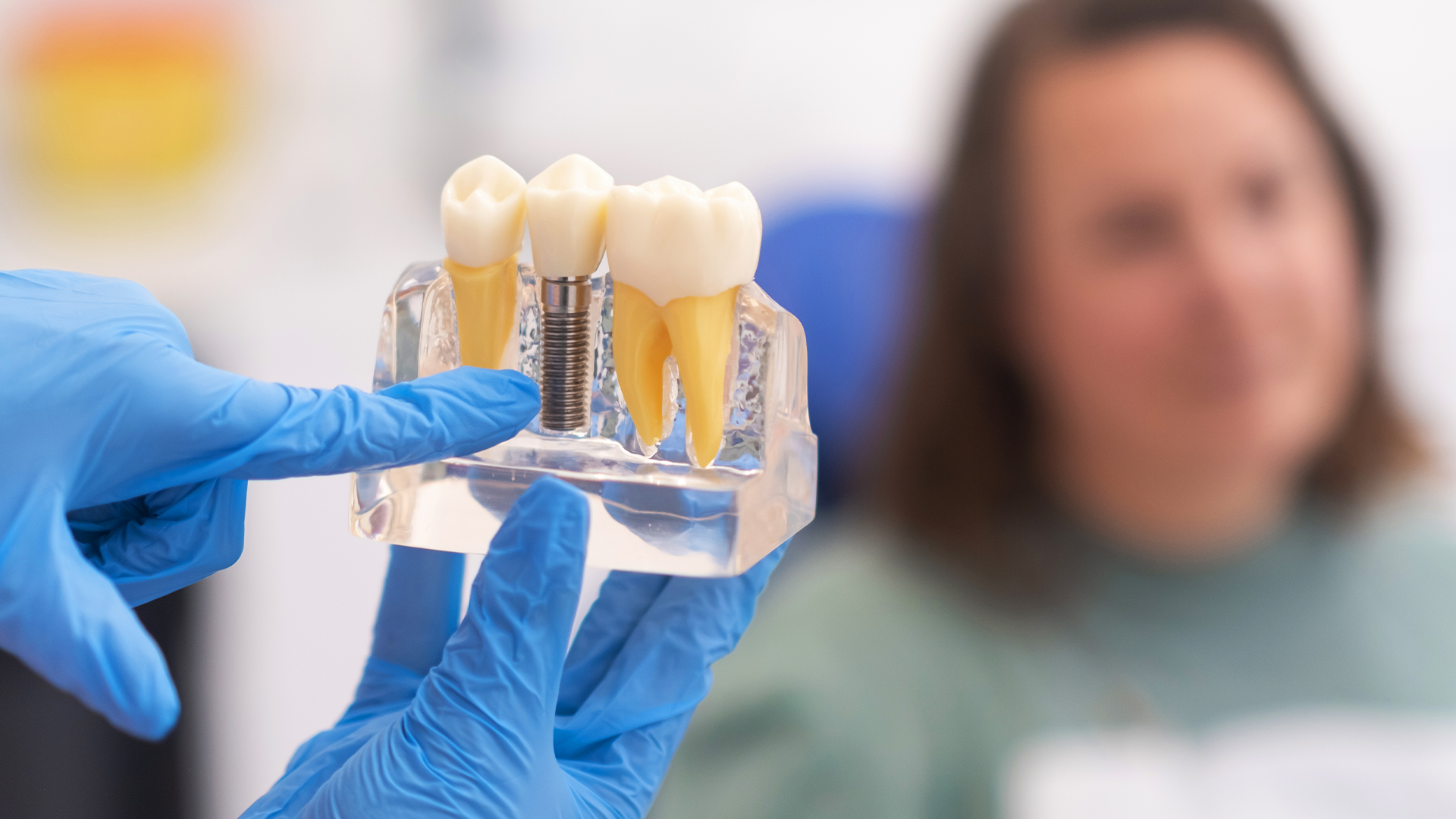
An implant is a titanium post inserted directly into the jawbone, where it fuses with bone tissue over 3–6 months through a process called osseointegration. Once fused, it provides a stable anchor for a ceramic crown that looks and functions like a natural tooth.
The system has three components:
The implant fixture — a small screw-shaped titanium post (typically 10–16mm long)
The abutment — a connector piece that attaches to the top of the implant after healing
The crown — a custom-made ceramic cap matched to the colour and shape of your surrounding teeth
Titanium is used because it's biocompatible — the body doesn't reject it, and bone grows directly onto its surface. This is what makes implants fundamentally different from dentures or bridges: they integrate into your biology rather than sitting on top of it.
Who Is and Isn't a Good Candidate
Most adults with good general health are eligible for implants. But several factors affect suitability, and they're worth understanding before you book a consultation.
You're a strong candidate if: you have adequate jawbone density, healthy gums, and no active periodontal disease. Non-smokers with well-controlled health conditions have the best long-term outcomes.
Factors that require assessment: Bone loss (from long-term tooth absence or gum disease) may mean a bone graft is needed before implant placement this adds cost and extends the timeline by several months. Smoking significantly increases the risk of implant failure: studies put failure rates at 6–20% higher in smokers compared to non-smokers. Uncontrolled diabetes also impairs healing and osseointegration.
Age is rarely a barrier. Adults of any age can receive implants provided they've finished growing (generally 18+). Older patients with good bone density and health are excellent candidates.
The only way to know for certain is a 3D CBCT scan and clinical examination. At Kaleen Family Dental we conduct thorough pre-implant assessments to confirm candidacy before any treatment planning begins.
The Implant Timeline: What Happens at Each Stage
Implant treatment is not a single appointment understanding the timeline helps you plan.
Stage 1 — Consultation and imaging (Week 1): 3D scan, treatment planning, discussion of bone grafting needs if applicable.
Stage 2 — Implant placement (Day 1): Under local anaesthesia, the titanium post is placed into the jaw. Most patients describe minimal discomfort — comparable to a tooth extraction. You'll leave with the implant in place but no visible crown yet.
Stage 3 — Osseointegration (3–6 months): The implant fuses with bone. You'll have a temporary restoration or leave the site covered. Regular check-ups monitor healing progress.
Stage 4 — Crown placement (Final appointment): An impression is taken, a custom crown is manufactured, and the permanent restoration is fitted. Most patients leave this appointment looking and feeling like they never lost the tooth.
Total treatment time: typically 4–8 months from first appointment to final crown.
Frequently Asked Questions
Are dental implants painful?
The procedure itself is performed under local anaesthesia and most patients report surprisingly little discomfort. Post-operative soreness for 2–5 days is normal and managed with standard pain relief. The healing period (osseointegration) is typically pain-free you won't feel the implant fusing with bone.
How long do dental implants last?
With proper care, implant fixtures can last a lifetime studies show survival rates above 95% at 10 years. The crown component typically lasts 15–25 years before replacement may be needed due to wear. Daily brushing, flossing, and regular professional cleans are the main factors in long-term success.
Can I get an implant if I've had bone loss?
Often yes, but bone grafting may be required first. A bone graft uses your own bone, donor bone, or synthetic material to rebuild the jaw to a sufficient thickness for implant placement. This extends the timeline by 3–6 months but allows many patients who would otherwise not qualify to successfully receive implants.
What's the difference between an implant and a dental bridge?
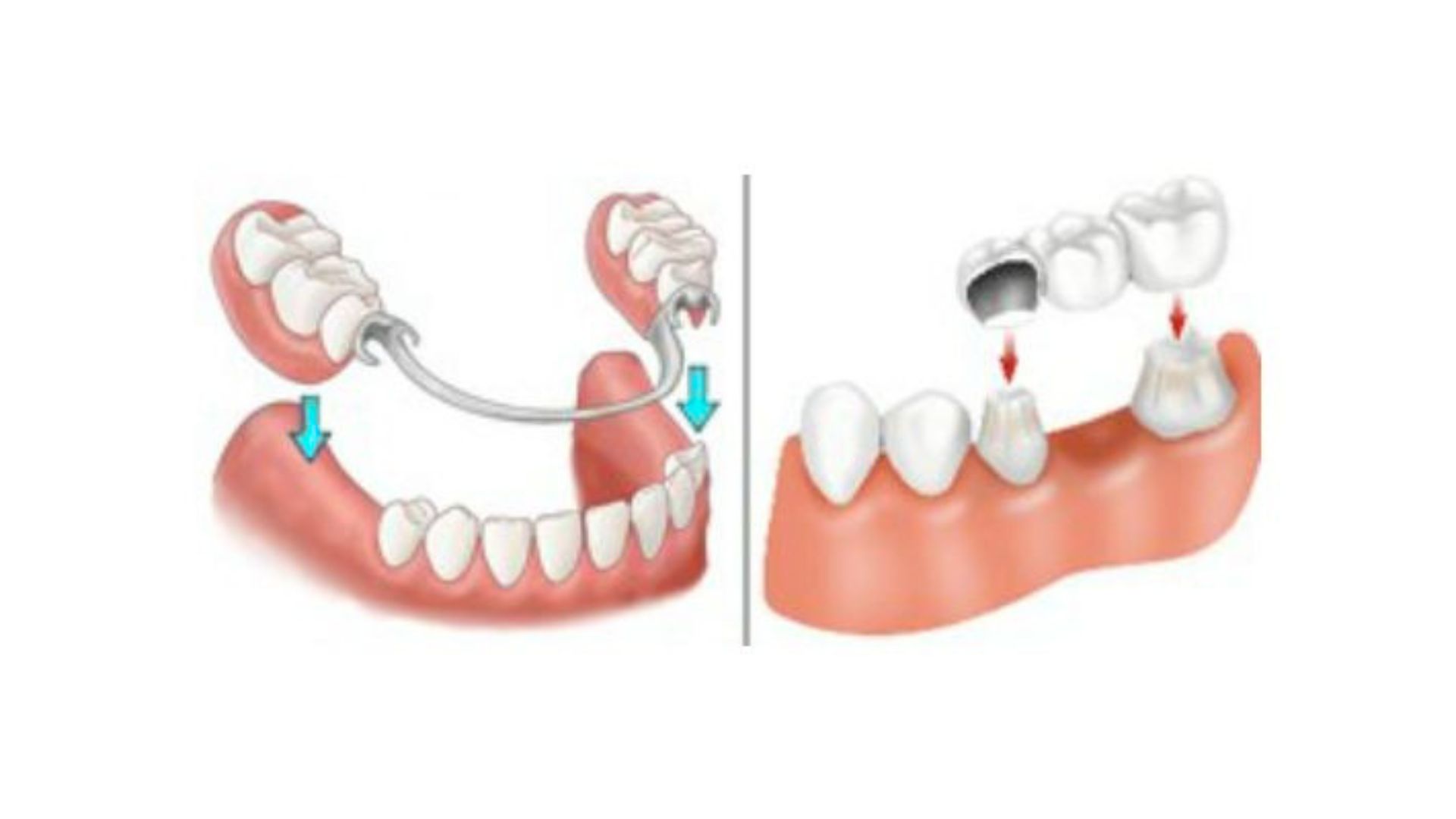
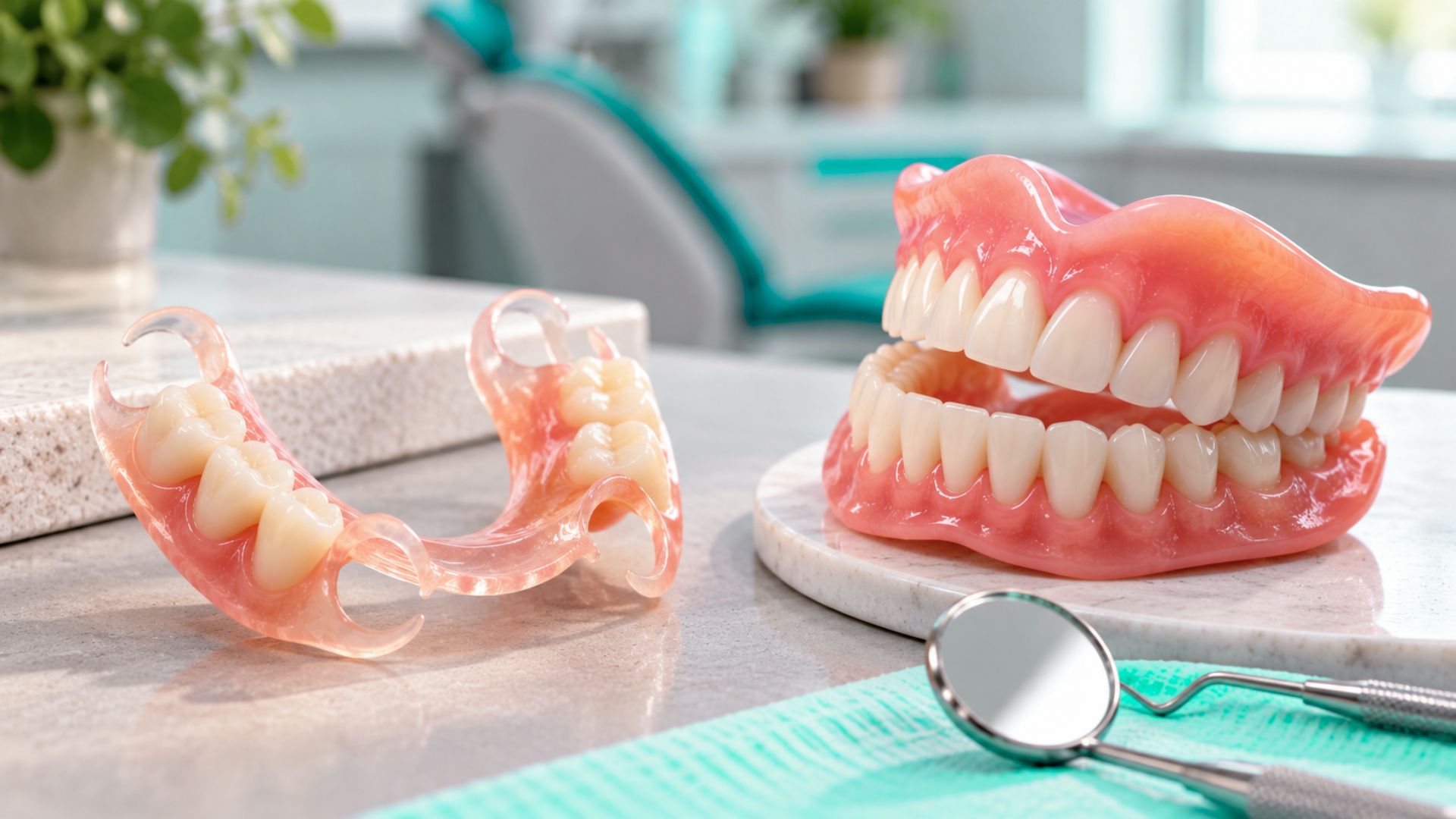
A bridge spans the gap using crowns on adjacent healthy teeth as supports meaning those teeth must be filed down. Implants don't touch adjacent teeth, preserve jawbone, and are generally more durable. Bridges are faster and less expensive upfront but typically need replacement every 10–15 years. For most patients who qualify, implants are the better long-term investment.
Book Your Implant Consultation at Kaleen Family Dental
If you're missing a tooth or facing an extraction the best time to explore implants is now, before bone loss progresses. A consultation involves a thorough examination and 3D scan to give you a complete picture of your suitability, the recommended approach, and the total cost.