A dental mouth guard is one of the simplest ways to protect your teeth, whether you grind them at night or play weekend sport. The catch is that the guard most people grab from the chemist barely does the job. In this guide I will explain the types of dental mouth guard, what each one is for, what they cost in Australia, and when a custom mouth guard made by your dentist is genuinely worth the money.
In short: a dental mouth guard cushions your teeth from harm. There are three kinds, stock guards, boil-and-bite guards from a chemist, and custom guards made by your dentist. For grinding, braces or regular sport, a custom-fitted guard protects far better and lasts much longer than anything off the shelf.
What is a dental mouth guard, and do you need one?
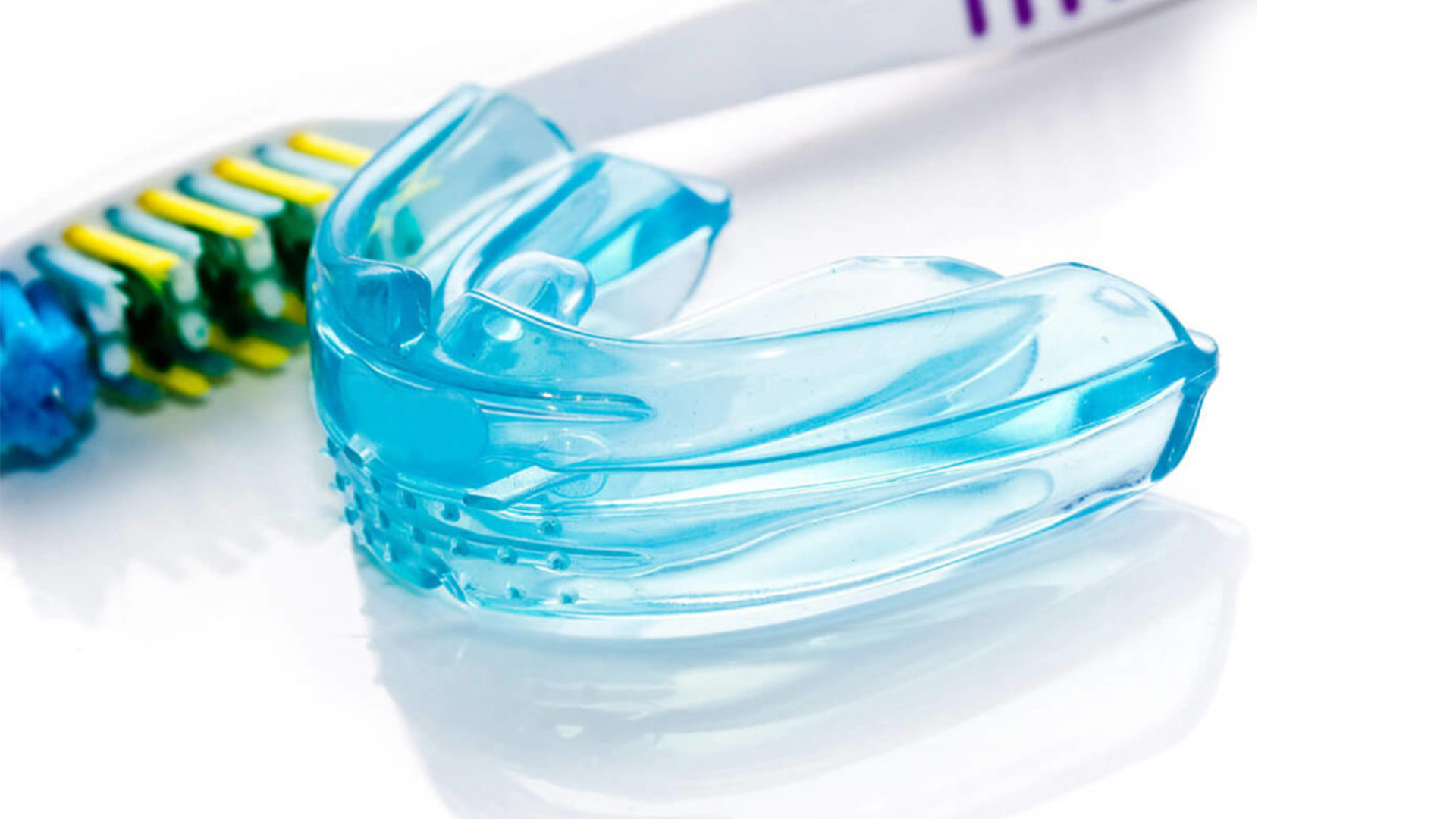
A dental mouth guard is a removable cover, usually worn over the upper teeth, made from flexible plastic that absorbs and spreads out force before it can damage your teeth. It is a small thing that prevents some very expensive problems.
You probably need one if any of these apply to you: you grind or clench your teeth at night, you play contact or collision sport, or you or your child wear braces. Each of these puts your teeth under loads they were not designed to take, and the right dental mouth guard is the cheapest insurance against a cracked or knocked-out tooth.
What are the different types of dental mouth guard?
There are three types, and the difference between them is mostly fit. A guard that does not fit well does not protect well, and it tends to get left in the drawer.
Type | How it works | Best for |
Stock | Pre-formed, ready to wear, no fitting. Cheapest and bulkiest. | Almost no one. Loose fit and poor protection. |
Boil-and-bite | Softened in hot water and bitten to shape at home. The typical chemist option. | Occasional, low-impact use as a stopgap. |
Custom | Made by your dentist from an impression or digital scan, in a dental lab. | Grinding, braces, and regular or contact sport. |
Stock and boil-and-bite guards are convenient and cheap, but they are bulky, loosen easily and thin out at exactly the points that take the most force. A custom dental mouth guard fixes all of that because it is built to the shape of your own teeth.
Do you need a night guard for grinding?
If you wake with a sore jaw, headaches or flattened, sensitive teeth, you may be grinding in your sleep. A night guard for grinding, also called an occlusal splint, sits between your teeth so they slide against the plastic instead of wearing each other down.
A custom hard splint is far more effective here than a soft chemist guard, which clenchers tend to chew through within months. Looking after it well matters too, so my guide on mouth splint care walks you through it. Where the grinding is driven by a tense, overactive jaw muscle, some patients also benefit from Botox for teeth grinding and jaw tension, which eases the force behind the clench.
What makes a good sports mouthguard?
A good sports mouthguard stays put, lets you breathe and speak, and is thick enough over the front teeth to absorb a real impact. Custom guards manage all three. Boil-and-bite versions often loosen mid-game, and players spit them out, which leaves the teeth completely unprotected at the worst moment.
Two groups need extra care. Children outgrow their guards quickly and usually need a new one each season as adult teeth come through. Anyone in orthodontic treatment needs a guard designed to fit around braces and allow for tooth movement. If a tooth does get knocked out on the field, it is a true dental emergency, so knowing what to do beforehand is worth it.
Are custom mouthguards better than over-the-counter ones?
Yes, and the gap is bigger than people expect. An over-the-counter boil-and-bite guard from a chemist is fine as an occasional, low-impact stopgap. It is cheap and you can mould it at home. But it sits loosely, feels bulky, and the protective layer thins where you bite down.
A custom mouthguard made by your dentist starts from an accurate scan of your teeth, so it grips firmly, keeps an even thickness, and barely interferes with breathing or speech. For anything regular, grinding, braces or contact sport, the custom guard is the one that actually gets worn and actually protects.
How much does a dental mouth guard cost in Australia?
Cost depends on the type and how it is made. As a general guide for Australia:
• Boil-and-bite guards from a chemist: roughly 15 to 40 dollars.
• Custom sports mouthguard from a dentist: roughly 150 to 400 dollars, depending on the number of protective layers.
• Custom night splint for grinding: roughly 400 to 750 dollars or more, as these are thicker and more precisely engineered.
These are ballpark figures, so I always give an exact quote first. The good news is that most private health funds with extras cover, including funds such as Bupa, contribute to a custom mouth guard, sometimes covering it in full, subject to limits and waiting periods. You can read how this works on our health funds and payment plans page, and we also set out the wider dental payment options available.
How do you care for a dental mouth guard?
Good care keeps your guard hygienic and makes it last. The routine is simple:
• Rinse it in cold water before and after each use, never hot water, which warps the plastic.
• Clean the inside gently with a soft toothbrush, and let it dry before storing.
• Keep it in a ventilated case, out of direct sun and away from heat.
• Bring it to your regular check-up and clean so I can check it for wear and confirm it still fits.
Frequently Asked Questions
Does private health insurance cover a dental mouth guard? Often, yes. Many extras policies include a benefit for a custom mouth guard, sometimes covering it fully. It depends on your fund, your level of cover and any waiting periods.
Can I wear a mouth guard with braces? Yes, but it needs to be a custom guard designed to fit around the brackets and allow your teeth to move. Speak with us before buying anything off the shelf.
How long does a custom mouth guard last? A sports guard typically lasts one to three years, less for growing children. A well cared for night splint can last several years.
Is a Chemist Warehouse mouth guard good enough? For occasional, low-impact use it can do at a pinch. For grinding, braces or regular contact sport, a custom mouth guard from a dentist protects far better and is worth the difference.