Discoloured teeth are one of the most common reasons people walk into our Kaleen clinic, and almost always the first question is the same: why have my teeth changed colour, and can it be fixed? The honest answer is that it depends entirely on what caused the change. Some discolouration lifts in a single clean, some needs proper whitening, and a small amount will not budge at all. This guide explains the real causes of discoloured teeth, the staining treatments that genuinely work, and how to whiten discoloured teeth safely without wrecking your enamel along the way.
What Causes of Tooth Discolouration Should You Know About?
Tooth colour changes for several reasons, and they fall into two broad groups. Extrinsic stains sit on the outside of the enamel and come from the things you eat, drink and do every day. Intrinsic discolouration sits deep inside the tooth and is a different problem entirely. Knowing which one you have is the difference between spending money well and wasting it.
The everyday culprits are predictable: coffee, black tea, red wine, cola and the dark pigments in curries and berries. Smoking and vaping push tar and nicotine into the enamel and are among the most stubborn surface stainers we see. Plaque that is not removed properly will also yellow teeth over time, which is why a build-up always looks duller.
Intrinsic causes run deeper. Ageing thins the enamel and lets the naturally yellow dentine underneath show through. A knock to a tooth can darken it from the inside as the nerve responds to trauma. Certain medications, including tetracycline antibiotics taken in childhood, and too much fluoride during tooth development can leave banded or mottled marks that whitening will not shift.
Decay and old dental work matter too. A greying tooth can signal a dying nerve, and old amalgam fillings or worn restorative work can darken the surrounding tooth. This is exactly why we check the cause first rather than reaching straight for a whitening gel.
Which Teeth Staining Treatment Actually Works?
The right teeth staining treatment depends on whether your discolouration is on the surface or inside the tooth. For most people with coffee, tea or smoking stains, a thorough professional clean is the single most underrated fix. Our hygienists use EMS Airflow to lift years of surface stain that brushing never reaches, and many patients are surprised how much brighter they look after one appointment.
Surface Stain Removal
Extrinsic stains respond to gentle polishing, a scale and clean, and good daily habits. Whitening toothpaste can help maintain results, but it only polishes the surface and rarely shifts colour by more than a shade. Think of it as upkeep, not transformation.
Whitening for Deeper Discolouration
When the colour is inside the tooth, only peroxide-based whitening will move it. Our teeth whitening options range from supervised take-home kits to in-chair treatment, and a quick check tells us whether your staining will respond. For grey, banded or trauma-related discolouration that will not bleach, cosmetic options like veneers or bonding are the realistic route, which we cover in our smile makeover work.
The mistake we see most is people buying high-strength gels online and bleaching unevenly, or worse, irritating their gums. A treatment matched to your actual cause is always safer and cheaper in the long run than guesswork.
How to Whiten Discoloured Teeth Safely at Home
If you want to whiten discoloured teeth at home, the safest path is a custom take-home kit from your dentist. In Australia, products sold straight to the public are capped at 6 per cent hydrogen peroxide or 18 per cent carbamide peroxide, and anything stronger legally requires a dentist. Custom trays moulded to your teeth give an even result and protect your gums, which off-the-shelf strips cannot promise.
Day to day, prevention does a lot of the work. Drink staining drinks through a straw, rinse with water after coffee or wine, cut back on smoking, and keep up your brushing and flossing. A maintenance whitening toothpaste helps hold results between treatments. For more on protecting a bright smile, our guide on how to get whiter teeth safely goes deeper.
Please skip the viral hacks. Lemon juice, apple cider vinegar and charcoal scrubs do not whiten; they erode enamel, and once enamel is gone it does not grow back. The Australian Dental Association has been clear that charcoal toothpaste offers no proven whitening benefit and tends to increase sensitivity. A whiter smile is never worth permanent enamel damage.
When Should You See a Dentist About Discoloured Teeth?
Most discolouration is cosmetic, but some is a warning sign. A single tooth turning grey or brown can mean the nerve is dying and needs assessment, not bleaching. Sudden changes, dark spots near the gum line, or discolouration with pain or sensitivity all deserve a professional look. If you notice tooth sensitivity alongside the colour change, mention it at your visit.
At our Canberra practice, the first step for discoloured teeth is always a proper exam. We work out whether the cause is surface stain, ageing, trauma, decay or medication, and only then recommend a treatment. That honesty saves patients from paying for whitening that was never going to work on their type of staining.
Whitening also only works on healthy, natural teeth. It will not change the colour of a filling, crown or veneer, so if your front teeth have existing dental work, we plan the shade carefully so everything matches afterwards.
Final Thoughts on Treating Discoloured Teeth
Discoloured teeth are almost always treatable once you know the cause behind them. Surface stains lift with a clean and good habits, deeper discolouration responds to proper whitening, and the stubborn cases have cosmetic answers. The fastest way to know which group you fall into is a short, honest assessment with a dentist who will tell you straight what will and will not work for your smile.
Frequently Asked Questions About Discoloured Teeth
Why is only one of my teeth discoloured?
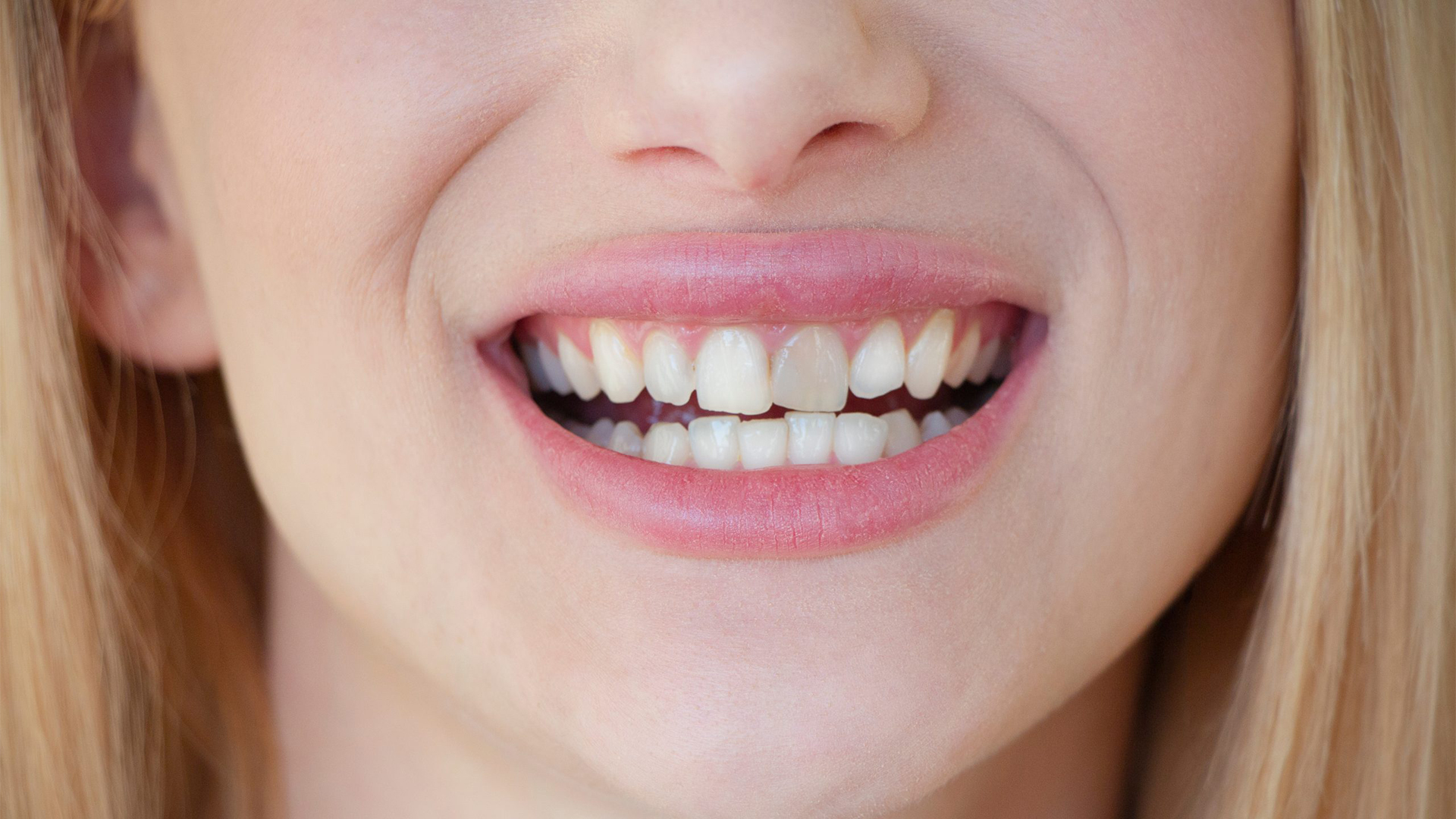
A single discoloured tooth, especially one turning grey or brown, often points to internal trauma or a dying nerve rather than surface staining. It will not respond to normal whitening and should be assessed by a dentist, as it may need root canal treatment or internal whitening.
Can yellow teeth become white again?
Yes, most yellow discolouration whitens well. Surface yellowing from coffee, tea and smoking lifts with a professional clean, while deeper yellowing from ageing or thinning enamel responds to peroxide-based whitening. Grey or banded stains are the exception and may need veneers instead.
How can I whiten discoloured teeth without damaging enamel?
The safest way to whiten discoloured teeth is a dentist-supervised take-home kit or in-chair whitening, which use controlled peroxide levels and protect your gums. Avoid charcoal, acidic DIY scrubs and high-strength gels from unknown sellers, as these strip enamel that cannot be replaced.
How long does teeth whitening last?
Whitening results typically last six to eighteen months, depending on your habits. Drinking through a straw, rinsing after staining drinks, not smoking, and keeping up regular cleans all extend the result. An occasional top-up gel keeps your smile bright between professional visits.
Ready to Fix Your Discoloured Teeth?
If discoloured teeth are holding back your smile, the team at Kaleen Family Dental will tell you honestly what is causing it and which treatment will actually work for you. Get in touch with our Canberra clinic to book your whitening consult today.