Gingival recession is one of the most common gum problems I treat, and most people do not notice it until a tooth starts to look longer or stings on something cold. Understanding causes of gingival recession is the first step to stopping it. In this guide I will walk through the causes of gingival recession, the symptoms to watch for, what happens if it is left alone, and the solutions that genuinely work, from everyday prevention to professional gum recession treatment.
What Causes Gingival Recession?
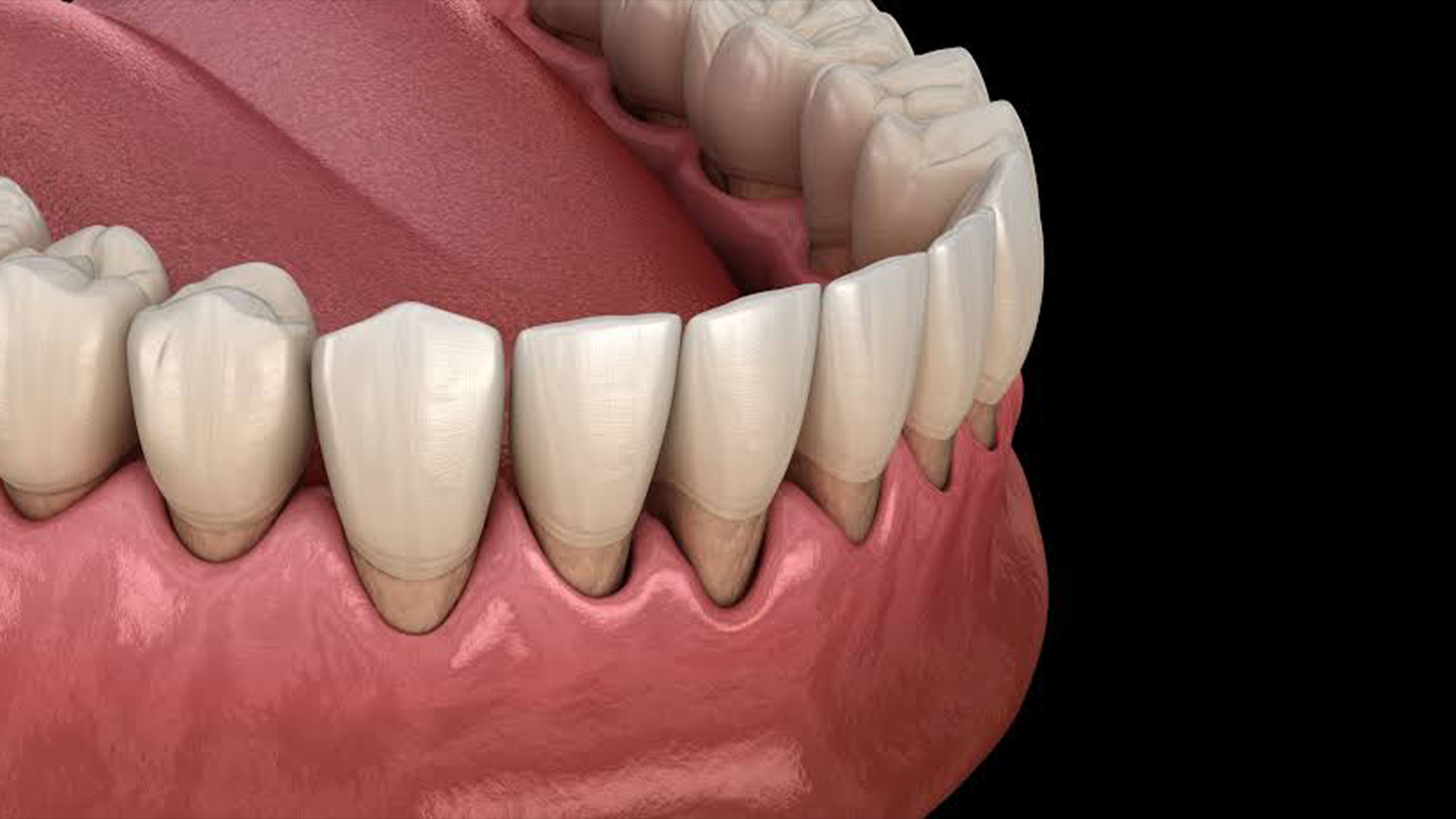
If your teeth look longer than they used to, or one twinges sharply on a cold drink, your gums may be sitting lower than they once did. I see this almost every week in practice, and the first question patients ask is the same: what causes gingival recession, and is it something I did? The honest answer is that nearly all recession traces back to one of two mechanisms. Knowing which one is at work is what decides your next step, so let me walk you through it the way I would in the chair.gingival recession is when the gum pulls back and exposes the root of the tooth. It is driven mainly by gum disease and by physical trauma such as brushing too hard. The lost tissue does not grow back on its own, but in almost every case the recession can be stopped, and exposed roots can often be covered with treatment.
The Causes Of Gingival Recession
Nearly all gingival recession comes down to two mechanisms: inflammation that destroys gum tissue from within, and physical trauma that wears it away from the outside. Most patients I see have a mix of both.
Gum disease and recession. The strongest link of all is between gum disease and recession. Plaque bacteria along the gum line trigger chronic inflammation, which slowly destroys the attachment and the bone that anchor the tooth. As that support is lost, the gum margin retreats. Removing the bacterial biofilm with a thorough professional clean using EMS Airflow and GBT is central to controlling this.
Brushing too hard. If you are brushing too hard, your gums take the damage. A stiff brush, a heavy scrubbing action and a gritty toothpaste physically abrade the gum and the root, often leaving a wedge-shaped notch right at the gum line. Abrasive whitening pastes make it worse, so if brightness is your aim, professional teeth whitening is far kinder to your gums than scrubbing harder at home.
Other gingival recession risk factors. Several gingival recession risk factors make the problem more likely or faster to develop:
• Thin gum tissue: some people inherit delicate gums over the roots that recede more easily.
• Tooth movement: teeth that sit outside the bone, or shift during orthodontic treatment, can thin the gum over the root.
• Grinding and clenching: heavy load flexes the tooth at the gum line. A custom nightguard protects against this, and for jaw-driven clenching some patients benefit from Botox for teeth grinding.
• Smoking, diabetes and hormonal change: each weakens the gum's resistance and masks the early warning signs.
• Lip and tongue piercings: jewellery rubbing the gum wears it away over months.
Gingival Recession Symptoms
Gingival recession is easy to miss because it creeps along slowly. These are the symptoms I tell patients to watch for:
• Teeth that look longer than they used to, or uneven gum levels between teeth.
• Sharp tooth sensitivity to cold, heat or sweet foods, because the exposed root has no protective enamel.
• Visible tooth roots, or a small notch you can feel with your fingernail at the gum line.
• Gums that bleed when you brush or floss, look red or swollen, or have pulled away to form deeper pockets.
• Food trapping in new gaps, persistent bad breath, or teeth that feel slightly loose.
What Happens If Gingival Recession Is Left Untreated?
Left untreated, gingival recession rarely stays still. The exposed root is covered by cementum, which is softer than enamel and decays quickly, so root cavities and worsening sensitivity are common. Mild recession sits at the early stage, where the gum is inflamed but the tooth is still stable.
As it advances toward the severe stage, more bone is lost, roots are widely exposed and teeth can loosen. Will teeth fall out if gums keep receding? Not from mild recession, but untreated advanced gum disease is the leading cause of adult tooth loss in Australia. That is exactly why acting early matters so much.
Ways to Prevent Receding Gums
Most gingival recession is preventable. The habits that protect your gums are simple and they work:
• Use a soft brush with gentle pressure, angled at 45 degrees to the gum, and swap any high-abrasion whitening paste for a low-abrasion fluoride one.
• Clean between your teeth every day with floss or interdental brushes.
• Keep up regular dental check-ups and cleans, which sit at the heart of preventive dentistry and catch movement before you can see it.
• Quit smoking, keep diabetes well controlled, and wear a nightguard if you grind.
• Treat early gum disease promptly, before inflammation has a chance to drive recession.
Gum Recession Treatment in Australia
Treatment depends on the cause and how far the recession has progressed. The honest truth is that lost gum tissue does not regrow on its own, and no toothpaste or natural remedy will rebuild it. What we can do is stop the recession and, where needed, restore coverage.
Non-surgical care. For inflammation-driven cases, deep cleaning and gum disease treatmentremove the bacteria fuelling the recession. Laser dentistry can target diseased tissue gently and support healing.
Surgical and aesthetic options. Where roots are exposed and sensitive, a gum graft rebuilds the missing tissue, and gum contouring can refine an uneven gum line. Most Australian health funds with extras cover periodontal care, which makes early treatment more affordable than people expect.
If you would like to read more on the warning signs and timing, my guide on receding gums, causes and treatments and when to act goes a step further.
Frequently Asked Questions
Can receding gums grow back on their own? No. The tissue does not regenerate naturally. Good care stops gingival recession worsening, and a gum graft can restore coverage where it is needed.
Is gingival recession reversible? The lost height cannot reverse by itself, but it is rarely too late to stop it, and grafting can cover exposed roots. The earlier you act, the better the result.
At what age does gingival recession start? It can begin in the teens with heavy brushing or crowding, but it becomes more common from the late thirties as wear and gum disease accumulate.
What is the best toothpaste for gingival recession? A low-abrasion fluoride or sensitivity toothpaste. Avoid charcoal and high-grit whitening pastes, which add to the wear when you are brushing too hard.