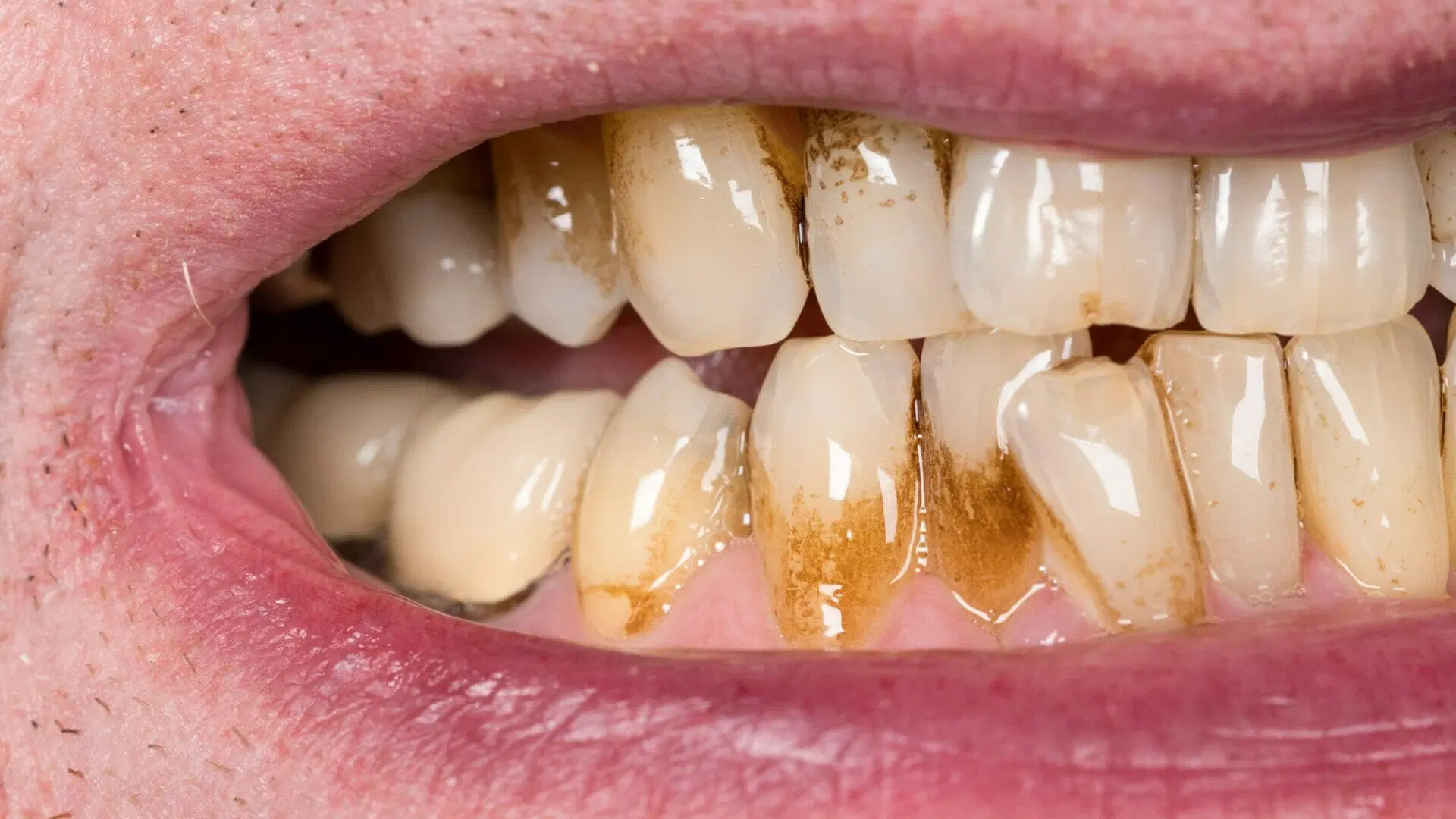
Most tooth stains can be cleaned, but the method depends on whether the stain sits on the surface of the enamel or has worked its way inside the tooth. Surface (extrinsic) stains from coffee, tea, red wine and tobacco usually lift with good brushing, a professional clean, or whitening. Stains that come from inside the tooth (intrinsic) from old fillings, trauma, certain antibiotics or natural ageing will not budge with brushing and need a dentist's input.
I'm Dr Henny Purba, principal dentist at Kaleen Family Dental Surgery. I've been treating Canberra families since 1997, and "how do I get these stains off?" is one of the questions I hear most, often from people who have already tried a charcoal powder or a chemist whitening kit that did very little. Here's what actually works, what's a waste of money, and where the line sits between a home fix and a chair-side one.
First, work out what kind of stain you have
Run your tongue over the stained area. If it feels rough or you can see a build-up at the gum line, that's usually plaque, tartar and surface staining sitting on top of the enamel. That responds well to cleaning. If the tooth is smooth but looks grey, brown or banded from within, the colour is coming from inside, and no toothpaste will reach it.
In our Kaleen patients, the most common culprits are the obvious ones: long blacks, builder's tea, red wine, and for a smaller group, smoking and vaping. We also see plenty of natural yellowing, because enamel thins with age and the darker dentine underneath starts to show through. That last one frustrates people, because they're brushing diligently and the teeth still look duller than they did at 25.
Can you remove teeth stains at home?
Yes, for mild surface stains. Brushing twice a day with a fluoride toothpaste, swapping to a whitening toothpaste with a mild abrasive or low-dose hydrogen peroxide, and rinsing with water after coffee or wine will lift and prevent a lot of everyday staining. An electric toothbrush tends to clear surface stain better than a manual one because it's more consistent.
What I'd tell my own family about the popular hacks: baking soda used occasionally is a mild abrasive that can buff off surface stain, but daily use wears enamel. Skip charcoal toothpastes; the Australian Dental Association has raised concerns that they're abrasive and lack evidence, and I see the results as worn, more sensitive teeth. Oil pulling won't whiten teeth. And never scrape stains with a metal tool or your fingernail, because you can scratch the enamel and damage the gum, which leaves teeth more prone to staining afterward.
When home care won't be enough
If the stain has hardened into tartar, sits below the gum line, or is intrinsic, home products can't fix it. Book a check-up if you notice a single dark tooth, brown spots that don't shift, white chalky patches, sensitivity, or staining alongside bleeding gums. A dark tooth after a knock can mean the nerve is dying, and that's worth checking sooner rather than later, not a cosmetic issue to whiten over.
How we clean stains in the chair
A professional scale and clean removes the hardened tartar and surface staining a toothbrush can't reach. We use EMS Airflow Guided Biofilm Therapy, which uses a fine spray of warm water and powder to lift staining and biofilm, including around braces, implants and tight spots. It's gentler and less scratchy than traditional scaling, which matters if you have sensitive teeth. For many people, a clean alone makes teeth noticeably brighter, because they were really just covered in stain.
If the teeth are genuinely discoloured rather than just stained, whitening is the next step. We use Philips Zoom in-chair whitening, which can lift the shade up to eight shades in about 45 minutes under supervision, with desensitising gel applied afterward. Take-home trays are a slower, gentler alternative. For intrinsic stains that don't respond to whitening, such as a single dark tooth or tetracycline banding, the honest fix is usually a veneer or bonding rather than bleaching.
What it honestly costs and what I can't promise
A check-up and clean is the most cost-effective first move and is partly covered by most health funds. In-chair whitening is a bigger investment than a chemist kit, but it's supervised and the result is more predictable. What I can't promise anyone: that whitening will work on crowns, veneers or fillings (they don't change colour), or that any treatment makes teeth permanently white. Coffee and wine will stain again, so the result lasts longer if you cut back on staining drinks, rinse with water, and keep up your cleans.
The simplest plan that works
Start with a check-up and clean so you know whether you're dealing with surface stain or something deeper. Keep up twice-daily brushing with fluoride toothpaste and rinse after staining food and drinks. Then decide on whitening once the teeth are clean, because whitening over a layer of tartar gives a patchy result. If you're in Canberra and not sure which type of stain you have, call us at Kaleen Family Dental Surgery on (02) 6241 5941 and we'll take a look before you spend money on products that may not help.<