You have tried the whitening toothpaste, maybe a charcoal powder you saw online, and your teeth still are not as white as you would like. The hard truth is that most products sold as a quick fix either do very little or quietly wear away your enamel. This guide walks through what genuinely whitens teeth, what is a waste of money, and what is actually worth doing, so you can get a brighter smile without damaging it along the way.
What actually makes teeth go yellow?
Teeth darken for two separate reasons, and the fix depends on which one you have. Surface stains, the extrinsic kind, build up on the enamel from coffee, tea, red wine, smoking and the plaque that forms every day. These lift off fairly easily. The deeper kind, intrinsic discolouration, sits inside the tooth and comes from ageing, genetics, an old knock to the tooth, or certain medications taken in childhood. On top of that, enamel naturally thins as you age, which lets the yellower layer underneath show through.
This is why one person gets a great result from a supermarket product and another sees nothing. Surface stains respond to gentle polishing and a professional clean. Deeper discolouration only shifts with peroxide-based whitening. And some grey or banded staining will not whiten at all, which is worth knowing before you spend a cent.
How can I whiten my teeth naturally?
The honest version of natural teeth whitening is mostly about preventing and removing surface stains, not bleaching the tooth. The habits that genuinely help are simple: brush twice a day, rinse with water after coffee, tea or wine, cut back on smoking, and eat crunchy fruit and vegetables that scrub the teeth as you chew. A little bicarb soda on the brush now and then can buff away light surface stain, but it is mildly abrasive, so daily use is a bad idea.
What does not work is just as important. Lemon, apple cider vinegar and other acidic “hacks” strip enamel rather than whiten it, and once enamel is gone it does not return. Oil pulling and rubbing fruit on your teeth have no real whitening effect. Natural methods keep a smile looking its best and can brighten it slightly, but they will not move your teeth several shades lighter. That takes a whitening agent.
Does whitening toothpaste really work?
Yes, but only on surface stains, and usually by about one shade. Whitening toothpaste uses mild abrasives, and sometimes a low dose of peroxide, to polish stains off the enamel surface. It cannot change the natural colour inside the tooth, so think of it as maintenance rather than transformation. For a deeper look at what works and what is safe, choose a paste with fluoride and a low abrasion rating, and skip anything heavily abrasive or charcoal based.
Used twice a day, a good whitening toothpaste keeps new stains from settling in and holds onto results from other treatments. That is a sensible job for it. Expecting it to undo years of coffee staining on its own is where people get disappointed.
What can I do to whiten teeth at home?
Home teeth whitening that actually changes the shade of your teeth relies on peroxide gel, and in Australia products sold directly to the public are capped at 6 per cent hydrogen peroxide or 18 per cent carbamide peroxide. Within that limit you will find whitening strips, pre-filled trays and whitening pens. They work gradually over one to two weeks and suit mild, even yellowing. The trade-offs are real: ill-fitting trays can bleach unevenly, and overuse is the main cause of the tooth sensitivity people complain about.
The safer and more effective middle ground is a custom take-home kit supplied by a dentist. Because the trays are moulded to your teeth and the treatment is supervised, a stronger, more even result is possible without the guesswork. If you want safe, long-lasting results, that supervision is what separates a clean outcome from a patchy one.
Is professional whitening worth it?
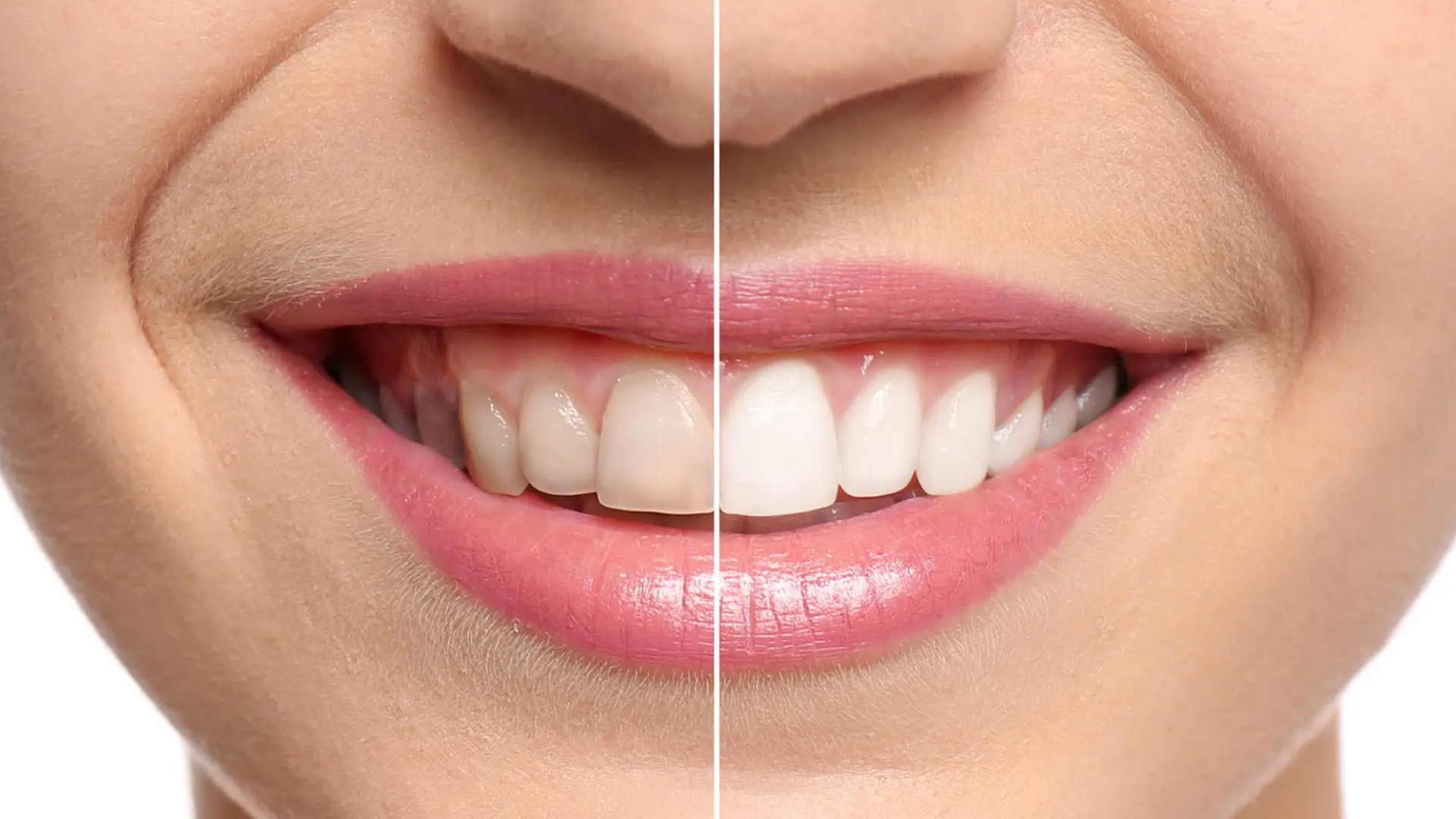
If you want a clear, even change quickly, professional whitening is the most reliable route. In-chair teeth whiteninguses a higher concentration of peroxide that only registered dentists can legally use in Australia, with your gums protected, lifting several shades in a single visit. A dentist-supplied take-home kit is the slower, gentler, cheaper alternative that still beats most supermarket options.
It earns its cost in three situations: when you want a genuine change rather than a slight lift, when sensitivity has put you off DIY kits, and when home products simply have not worked. A check-up first matters too, because whitening only works on healthy teeth and will not cover decay, a filling or a crown. A dentist can tell you in minutes whether your staining will respond, which is the part the what works and what doesn’t question really comes down to.
Which whitening trends should I skip?
Skip charcoal, acidic DIY scrubs, and cheap high-strength gels bought from unknown online sellers. Charcoal toothpaste is abrasive and works by scratching off the surface layer of enamel, which is why the Australian Dental Association has described it as a marketing gimmick with no proven whitening benefit. It tends to make teeth more sensitive over time, and the enamel it removes does not grow back.
Lemon and bicarb scrubs erode enamel the same way. And any gel above the legal limits of 6 per cent hydrogen peroxide or 18 per cent carbamide peroxide is considered unsafe for unsupervised home use by the consumer watchdog, with chemical burns to the gums a genuine risk. A whiter smile is not worth permanent damage, especially when safer options exist.
How do I keep my teeth white longer?
Protect the result and it lasts far longer. Drink staining drinks through a straw, rinse with water afterwards, avoid smoking, and keep up your brushing and flossing. Whitening naturally fades over six to eighteen months, so an occasional top-up gel or a maintenance whitening toothpaste keeps things bright. Pair that with a regularcheck-up and clean to clear the surface stains before they set in.
Most people find that good daily habits plus a professional clean every six months hold their results with very little effort. The brightness you keep is mostly about consistency, not constant treatment.
Whiter teeth are within reach for almost everyone, but the right path depends on why yours darkened in the first place. Surface stains respond to good habits and a clean, deeper discolouration needs proper whitening, and a few popular trends are best left alone. If you are not sure which applies to you, the quickest answer is a short chat with a dentist. Book a whitening consult at Kaleen Family Dental and we will tell you honestly what will and will not work for your smile.