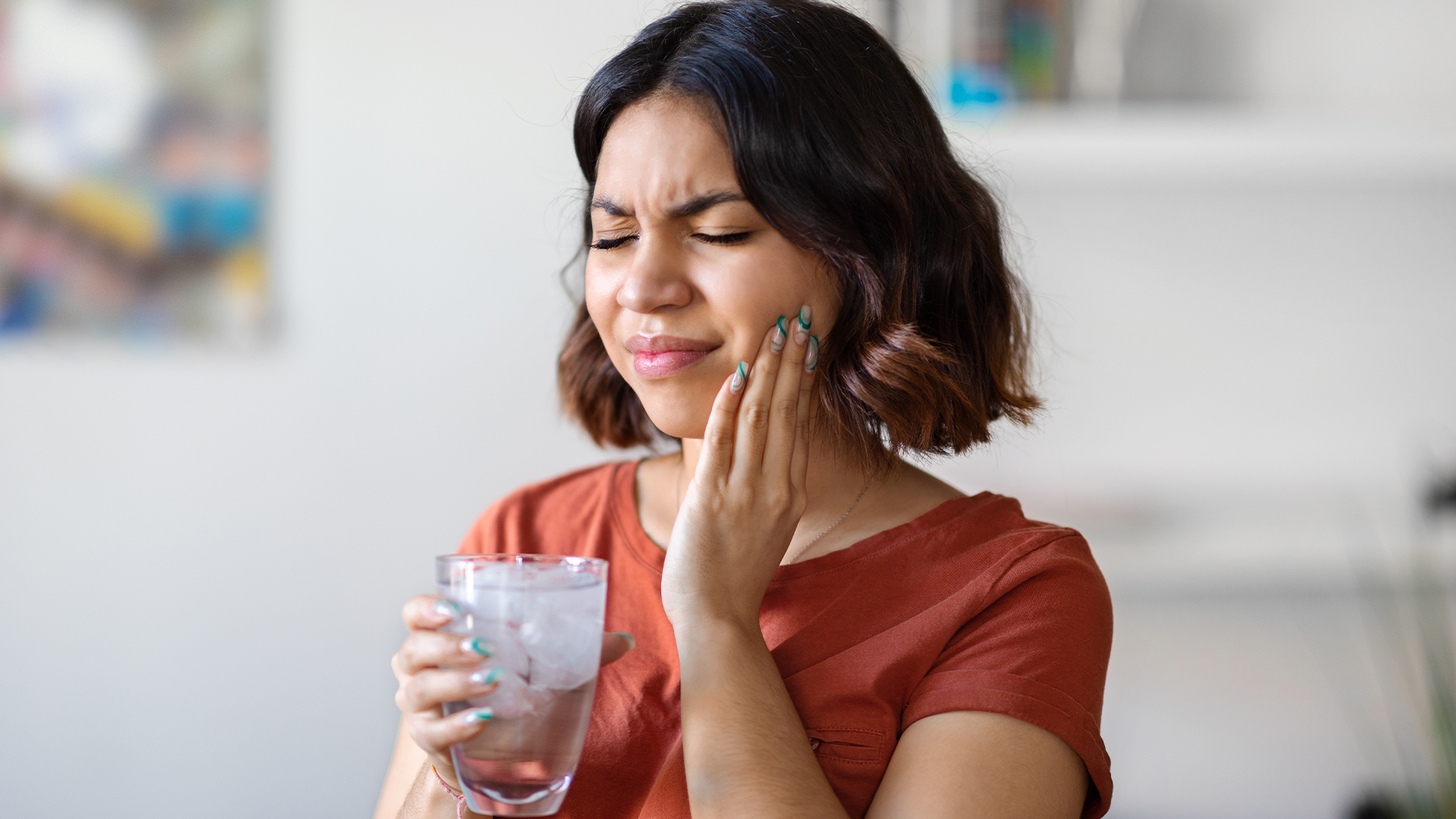
If a sip of cold water or a spoonful of ice cream makes you wince, you already know how uncomfortable sensitive teeth can be. The good news is that, in most cases, sensitivity can be reduced with a few simple changes at home and the right support from your dentist. Below, we explain what helps, why your teeth react the way they do, and what to expect along the way.
Proven ways to decrease tooth sensitivity
Sensitivity happens when the protective layer of your tooth wears thin and exposes the dentine underneath. Dentine contains tiny channels that lead to the nerve, so hot, cold, and sweet things can trigger a short, sharp twinge. The aim of treatment is to calm those nerves and protect the exposed surface.
Start with a desensitising toothpaste. These are made for sensitive teeth and contain ingredients, such as potassium nitrate or stannous fluoride, that help block the pain signals over time. Use it twice a day in place of your regular toothpaste, and pick one product and stick with it rather than switching brands every few weeks.
One simple habit makes a real difference: after brushing, spit out the excess toothpaste but do not rinse with water. Leaving a thin film of toothpaste on your teeth lets the active ingredients keep working. For stubborn spots, you can rub a small amount of the toothpaste directly onto the sensitive tooth with a clean finger and leave it on, which gives the area extra contact time.
Brush gently with a soft or extra-soft toothbrush, using small circular motions instead of hard scrubbing. Pressing too hard can wear away enamel and make sensitivity worse. It also helps to cut back on acidic foods and drinks, such as soft drinks, citrus, and sports drinks, and to drink plain water to balance the acid levels in your mouth. If you do have something acidic, wait about an hour before brushing. These small habits are part of good general and preventive dental care, which protects your enamel over the long term.
Why are my teeth suddenly sensitive to cold?
Cold is one of the most common triggers because it moves quickly through exposed dentine and stimulates the nerve. If the sensitivity has come on suddenly, it usually means a protective layer has been lost or a small problem is developing.
Common reasons include worn enamel from acidic foods or hard brushing, gum recession that exposes the softer root of the tooth, and grinding or clenching your teeth, often during sleep. Sometimes the cause is a cavity, a small crack, or a worn filling. Recent teeth whitening can also leave teeth temporarily sensitive to cold, though this normally settles within a few days.
A short twinge that fades as soon as the cold is gone is usually ordinary sensitivity. If the pain lingers after the trigger has passed, throbs on its own, or wakes you at night, that can point to decay or a nerve problem and is worth having checked. Your dentist can identify or rule out the possible causes and recommend the right treatment, so you are not left guessing.
How long does sensitive toothpaste take to work?
This is one of the most common questions, and it is an important one, because many people give up too soon. Desensitising toothpaste does not work instantly. It builds up its effect gradually as the active ingredients settle into the tooth and calm the nerve.
Most people start to notice an improvement after about two weeks of consistent use, with the fullest benefit usually felt at around four to six weeks. The key word is consistent. Using it twice every day, and remembering to spit rather than rinse, gives the toothpaste the best chance to work. If you skip days or change products, the effect resets and you start the clock again.
If you have used the same sensitive toothpaste correctly for six to eight weeks and notice no improvement at all, that is a useful sign in itself. It often means the cause needs a closer look, such as a cavity, an exposed root, or grinding, rather than something a toothpaste alone can fix. At that point, a dental check-up and clean is the next sensible step.
Why are teeth sensitive after a dental cleaning?
It is very common to feel some sensitivity for a short time after a professional clean or scale, and it is usually nothing to worry about. During a clean, your dentist or hygienist removes plaque and hardened tartar from your teeth and along the gumline. Where that build-up has been sitting against the tooth, the surface underneath can be briefly more exposed to temperature and touch once it is cleared away.
This kind of sensitivity is generally mild and settles within a few days to a couple of weeks. To help it along, use a desensitising toothpaste in the days before and after your appointment, stick to lukewarm food and drinks for a little while, and brush gently with a soft brush. Avoiding very acidic foods during this period also gives your teeth time to recover.
If the sensitivity is severe, keeps getting worse instead of better, or lasts beyond two to three weeks, mention it to your dentist. It may simply mean a sensitive area needs a protective fluoride treatment, or that there is an underlying issue, such as gum recession, worth addressing.
When to see your dentist
Sensitive teeth are common and often manageable at home, but they can also be an early sign of something that needs attention. If your sensitivity is ongoing, painful, or affecting your daily life, book a check-up. Your dentist can find the cause, suggest treatments such as fluoride, protective sealants, or care for receding gums, and help you get lasting relief.