If you have been looking into Invisalign aligners for teeth, you have probably noticed how many opinions are out there and how few of them feel straight. At our Kaleen practice in Canberra, this is one of the most common questions we hear from adults who want straighter teeth without a mouth full of metal. This guide cuts through the noise: what these clear aligners actually are, how Invisalign works, what it costs, and how it compares to braces, so you can decide if it suits your smile.
What Are Invisalign Aligners for Teeth?
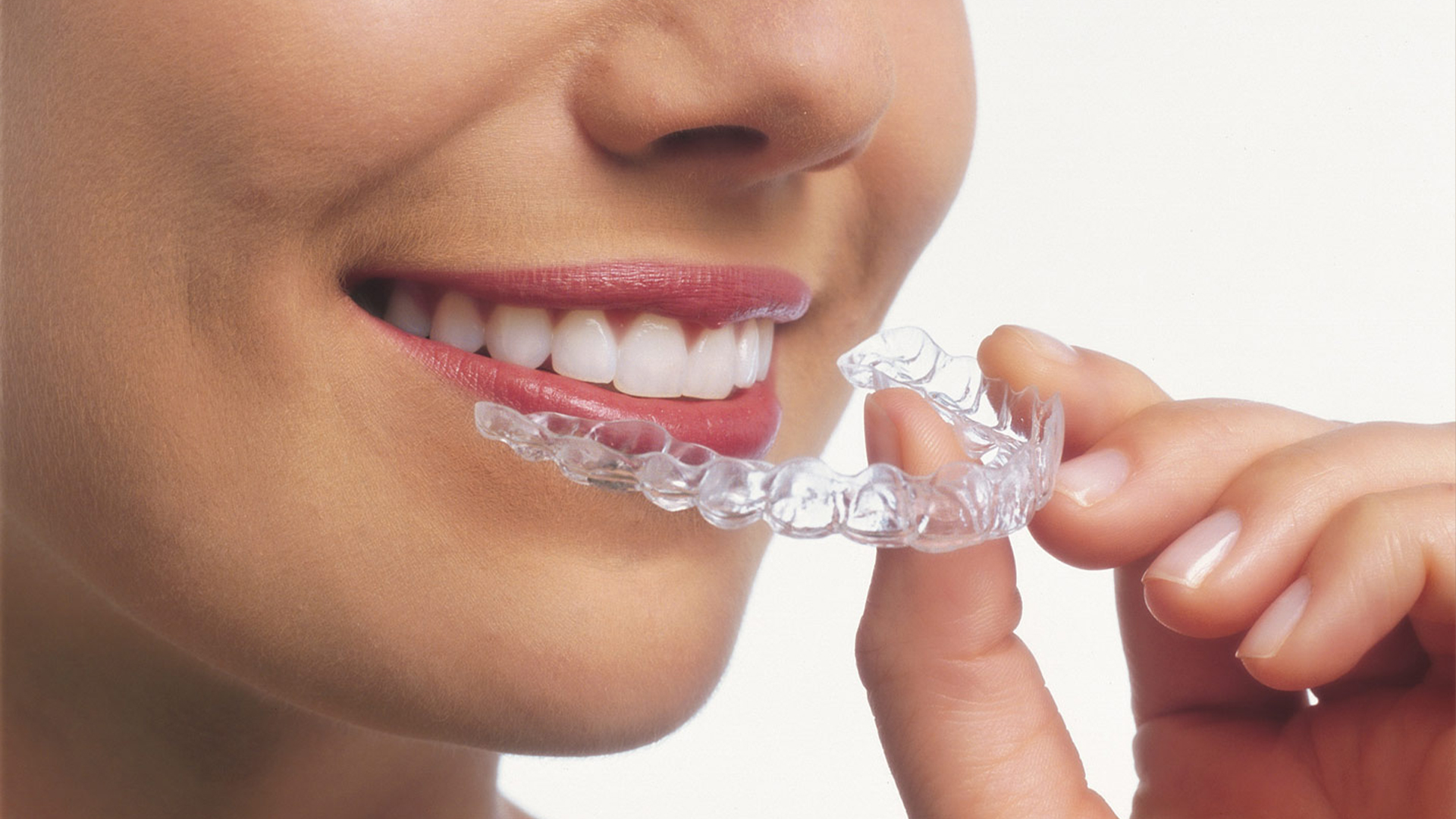
Invisalign aligners for teeth are a series of clear, removable trays custom made to fit snugly over your teeth. Each set is worn for about one to two weeks before you move to the next in the series, and every tray nudges your teeth a fraction closer to their planned position. There are no brackets and no wires.
The trays are made from a patented thermoplastic called SmartTrack, trimmed along your gum line so they sit comfortably and stay nearly invisible. Most people will not notice you are wearing them, which is exactly why so many adults and older teens choose this option over traditional fixed braces.
Because they lift out, you brush, floss and eat as normal. That single feature solves the biggest frustrations people have with metal braces: food traps, awkward cleaning and a long list of foods to avoid.
How Does Invisalign Work?
Understanding how Invisalign works helps set realistic expectations. It starts with a digital 3D scan of your teeth, not messy moulds. From that scan we map out the entire journey, tooth by tooth, and you can often preview the final result before you commit.
The Step-by-Step Process
A lab then prints your custom series of aligners. Sometimes we add small tooth-coloured attachments to certain teeth, which give the trays something to grip so they can perform trickier movements like rotating a tooth or closing a gap. You wear each tray 20 to 22 hours a day, removing them only to eat, drink anything but water, and clean your teeth.
You progress through the series at home and check in with us periodically so we can confirm everything is tracking to plan. Most treatments run six to eighteen months depending on how much movement your teeth need. When you finish, a retainer holds the result in place, because teeth naturally drift if nothing keeps them put.
The honest catch is discipline. Aligners only work while they are in your mouth, so if you keep leaving them out, treatment stalls. People who commit to the wear time get predictable, impressive results.
Invisalign vs Braces: Which Is Right for You?
The Invisalign vs braces question rarely has a one-size answer. Clear aligners win on appearance, comfort and convenience, and they make cleaning easy. For mild to moderate crowding, gaps and many bite issues, they work beautifully.
Traditional braces still have an edge for very complex cases, severe rotations or significant bite corrections, because fixed appliances can apply force in ways trays cannot. They also remove the discipline factor entirely, since you cannot take them off, which suits younger children or anyone who knows they would forget.
For most adults dealing with crowded or protruding front teeth, aligners hit the sweet spot of discreet and effective. The best way to know which fits your case is a proper assessment with an orthodontic check, not a guess from a website.
Clear Aligners Cost: What to Expect
Clear aligners cost in Australia generally ranges from around $4,500 for minor cases up to $9,000 for full, complex treatment. The figure depends on how much your teeth need to move, how many aligner sets are required, and the length of treatment. Short "express" cases that only fix the front teeth sit at the lower end.
Be cautious with mail-order aligner brands that quote a low headline price. Skipping in-person supervision is where things go wrong, from teeth that will not track to bite problems no one catches in time. The cost of a Canberra dentist guiding your treatment is part of what keeps it safe.
To make it manageable, we offer payment plans and health fund options, and many private health policies with orthodontic extras cover a portion. We give you a clear quote up front, so there are no surprises halfway through.
The Bottom Line on Invisalign Aligners for Teeth
Invisalign aligners for teeth offer a discreet, comfortable and genuinely effective path to a straighter smile for the right candidate. They are not magic and they are not for every case, but for most adults wanting to fix crowding or gaps without metal, they are hard to beat. The deciding factor is an honest assessment of your teeth and your commitment to the wear time.
Frequently Asked Questions
How long does Invisalign take to straighten teeth?
Most Invisalign treatments take six to eighteen months, though minor front-teeth corrections can finish in as little as three to four months. The timeline depends on how much your teeth need to move and whether you wear the aligners the full 20 to 22 hours a day.
Is Invisalign cheaper than braces?
Invisalign and traditional braces often cost a similar amount for comparable cases, usually between $4,500 and $9,000. Simple aligner cases can be cheaper than braces, while complex treatments may cost more. The right comparison is case by case, not brand versus brand.
Can Invisalign fix an overbite or crowded teeth?
Yes, Invisalign treats many overbites, underbites, gaps and crowded teeth, especially mild to moderate cases. Severe bite problems sometimes still need braces or combined treatment. A scan and exam tell us clearly whether aligners alone will achieve your goal.
Do I have to wear a retainer after Invisalign?
Yes. Teeth naturally drift back over time, so a retainer after Invisalign is essential to lock in your result. Most people wear one nightly long term, which is a small habit for keeping the straight smile you invested in.