In my chair, most conversations about mouth guards start after something has already gone wrong. A molar cracks on a tough piece of steak. Someone wakes up with a jaw that feels like it has been clenched in a vice all night. A child comes home from Saturday sport with a chipped front tooth and a story about an elbow they did not see coming. By that point we are talking about a repair, not prevention.
A well-made mouth guard sits quietly in the background and stops most of that from happening. The catch is that not every guard does the same job, and the cheapest option is not always the saving it looks like. Here is how I talk patients through it, including the questions I get asked most.
What is a mouth guard and who actually needs one?
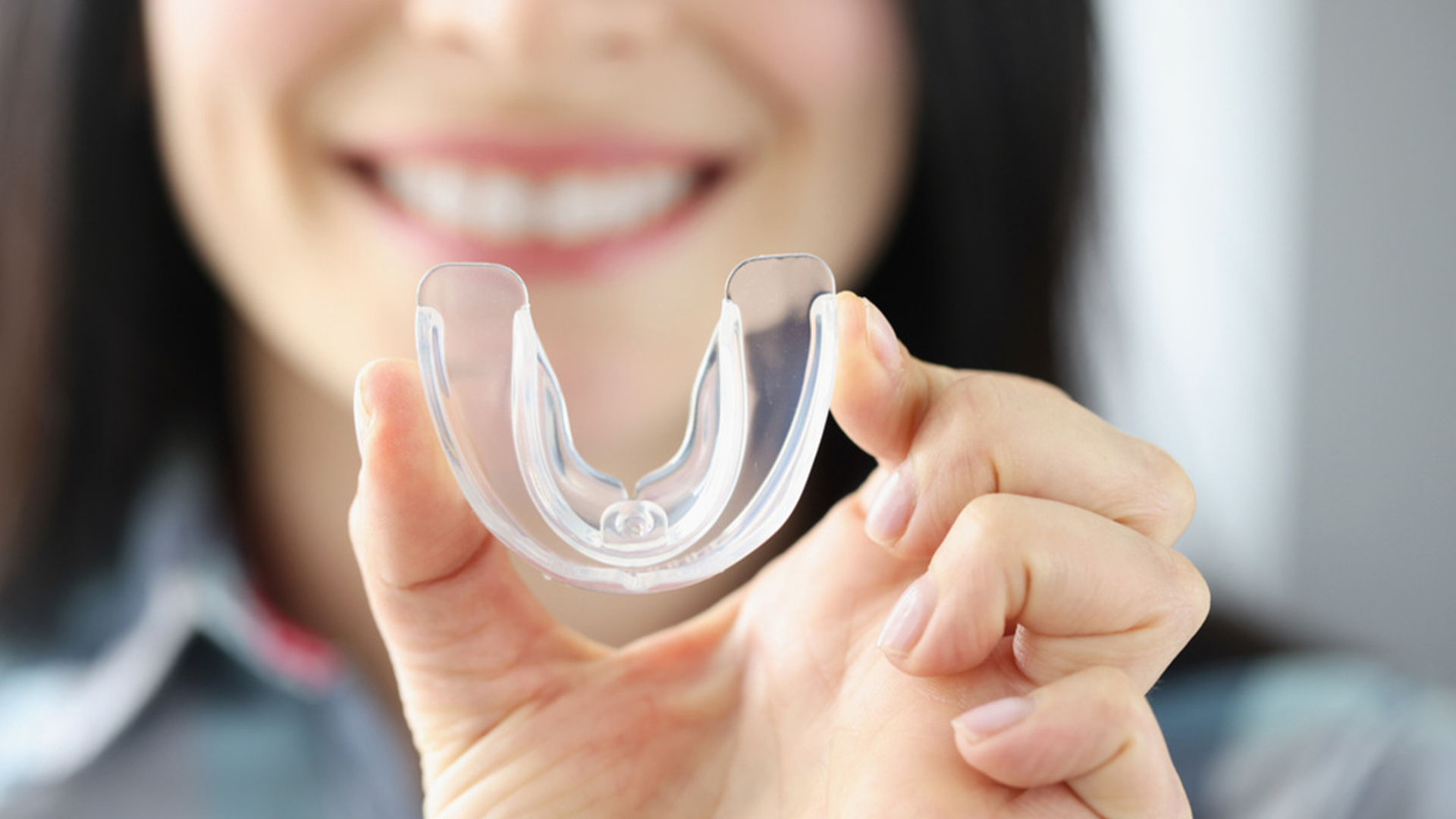
A mouth guard is a moulded shield that fits over your teeth and takes the load that would otherwise land on enamel, roots and your jaw joint. There are really two separate problems it solves, and it helps to keep them apart.
The first is impact. Sport, falls, a stray hockey stick or a knee to the face during footy can chip, loosen or knock a tooth out in a fraction of a second. A guard spreads that force across a wider area so no single tooth takes the full hit. When a tooth does get knocked out, time matters, and ouremergency dentistry page walks you through what to do in the first hour.
The second is grinding and clenching, known as bruxism. This usually happens during sleep, so most people have no idea they do it until a partner mentions the noise or I spot the flattened, polished wear on their back teeth during a check-up. Over months and years that grinding wears through enamel, triggers sensitivity, and leaves the jaw muscles aching. For some people it feeds into TMJ trouble, the clicking and soreness around the jaw joint. A night guard does not stop the clenching itself, but it gives the teeth a softer surface to push against, so the damage goes into a replaceable piece of acrylic instead of your molars. For heavy clenchers, I sometimes pair a guard with other approaches, which you can read about on ourBotox for teeth grinding page.
So who actually needs one? Anyone playing a contact or collision sport, anyone who grinds or clenches at night, and anyone in braces who wants to protect both their teeth and the orthodontic work. Plenty of people sit in more than one of those groups.
Custom, boil-and-bite or stock: which mouth guard should you choose?
There are three broad options, and the gap between them is real. Stock guards come pre-formed in a few sizes and you wear them as they are. Boil-and-bite guards soften in hot water so you can press them onto your teeth for a rough mould at home. Custom guards are made from a scan or impression of your actual bite. The difference shows up in fit, and fit is what decides whether a guard protects you or just sits there.
Type | Rough cost (AUD) | Fit and protection | Best for |
Stock | $10 to $30 | Bulky and loose, makes talking and breathing harder | A one-off backup, not regular use |
Boil-and-bite | $20 to $60 | Better than stock but loosens over time | Younger kids who outgrow guards fast, casual use |
Custom-made | $150 to $400+ | Snug, stays put, even thickness, most comfortable | Regular sport, grinding, anyone in braces |
A loose guard is the quiet problem. If it shifts when you talk or you can flick it out with your tongue, it will move on impact too, which is exactly when you need it to stay put. Boil-and-bite guards also tend to thin out where you bit hardest, so the protection is patchy. None of this makes the cheaper options useless. For a seven-year-old who will outgrow any guard within a season, a boil-and-bite is a sensible call. For an adult grinding hard enough to crack a tooth, it is not.
On cost, pricing here tracks the rest of the country fairly closely. Over-the-counter guards from a pharmacy run from around $10 to $60. A custom sports guard usually sits between $150 and $300, and a custom night guard for grinding tends to land between $250 and $500, because the acrylic is thicker and the fitting is more involved.
The number most people overlook is what comes back from private health insurance. If you hold extras cover with general or major dental, a custom guard is often partly claimable, and we can process that rebate on the spot so you only pay the gap. The amount depends on your fund and your annual limits, so it is worth a quick call to your insurer first. Ourhealth funds and payment plans page sets out how the claiming side works.
It is also worth weighing the cost against what you are avoiding. A custom guard is a known, one-off expense. A cracked tooth that needs a crown, or a knocked-out tooth that needs an implant, runs into four figures and several appointments. Seen that way, the guard is the cheap part.
How do you choose and care for a child's mouth guard?
Children are a different equation because they keep growing. New adult teeth come through, jaws widen, and a guard that fit perfectly in autumn can be loose by spring. Most kids need a replacement every twelve to eighteen months, and sometimes sooner during a growth spurt or after losing baby teeth.
For junior sport, where rugby, AFL, hockey and netball all carry a genuine risk of a knock to the mouth, a guard is not optional gear. Many clubs and schools now ask for one before a child takes the field. My honest call for younger children is that a boil-and-bite guard is reasonable while they are still changing fast, because you will be buying several over a few years. Once they are older, playing more seriously, or wearing braces, a custom guard earns its cost through better fit and far better protection. If your child is in or heading towards braces, ourorthodontics page explains how we time treatment around a growing mouth.
One tip from the chair: let your child pick the colour. A guard only works if it is actually in their mouth, and a kid who likes the look of theirs is far more likely to wear it.
Whatever guard you land on, a little care keeps it hygienic and effective. Rinse it in cool water before and after each use, give it a proper clean with a soft toothbrush and mild soap every few days, then let it air-dry. Avoid hot water, the dishwasher and boiling to sterilise it, because heat warps the acrylic and ruins the fit you paid for. Store it in a ventilated case rather than a sealed container, and never leave it in a hot car, which is the fastest way to destroy a custom guard. Watch its condition too. Thin patches, holes, rough edges or a guard that no longer clicks firmly into place are signs it has done its time. Bring it to your regulardental check-up and clean and I can look it over and flag a replacement before it fails on you.
Frequently asked questions
Can I wear a mouth guard with braces or Invisalign?
Yes, but the type matters. For braces, a custom guard made to fit over the brackets is the way to go, since a tight off-the-shelf one can damage the orthodontics or your gums. With Invisalign, you generally remove the aligners for contact sport and wear a separate sports guard instead.
How long does a custom mouth guard last?
For an adult, a well looked-after custom guard often lasts several years, though heavy grinders wear through them faster. For children, plan on replacing it every twelve to eighteen months as the teeth and jaw change.
Will private health insurance cover my mouth guard?
Often, in part. Extras policies with general or major dental commonly cover a portion of a custom guard, with the rebate depending on your fund and limits. Check with your insurer first, and we can tell you which item the treatment falls under so the numbers line up.
Can a mouth guard help with TMJ or jaw pain?
It can ease the symptoms tied to night-time clenching by reducing the load on the joint and muscles. It is not a cure for TMJ on its own, so if you have ongoing jaw pain it is worth a proper assessment to find the cause.