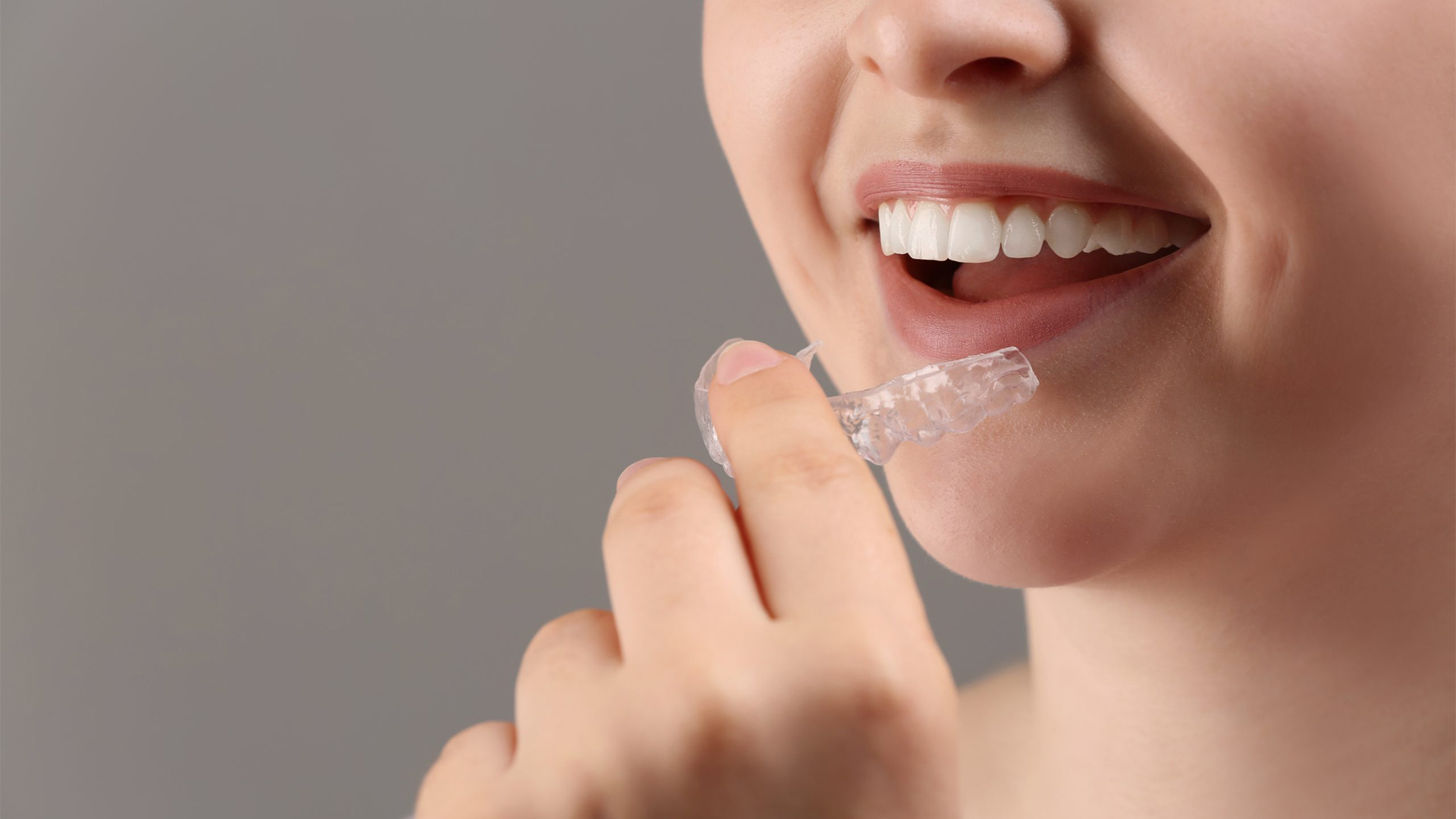
Brush your mouth splint every morning with a soft toothbrush and mild hand soap, then air-dry it in a breathable case. Deep-clean it once a week with a denture-tablet soak for 10 to 15 minutes. Never use toothpaste, hot water or the dishwasher they damage the acrylic.
How Do I Clean My Mouth Splint Every Morning?
Rinse your splint in cool or lukewarm water as soon as you take it out of your mouth. Use a soft-bristled toothbrush kept just for your splint, not the one you brush your teeth with and a small amount of fragrance-free liquid hand soap or plain dishwashing liquid. Gently brush every surface for around thirty seconds, paying attention to the grooves where your teeth sit. Rinse the soap off thoroughly under cool water, pat the splint dry with a clean towel, then leave it in an open breathable case to finish air-drying during the day. The whole routine takes less than a minute, and doing it first thing each morning prevents the build-up that causes most smell and staining problems later.
Two things matter most: bristle hardness and what you brush with. A separate toothbrush is worth keeping because the one you use on your teeth carries fluoride and food residue you don't want transferred to the splint. Stiff bristles leave fine scratches in the acrylic, and those scratches trap bacteria you can't reach later. Toothpaste is the most common mistake people make. Most toothpastes contain mild abrasives designed to polish tooth enamel, and they slowly wear down the smooth surface of a splint, leaving it cloudy and easier for bacteria to colonise. Plain hand soap or dishwashing liquid cleans just as well without the damage. Avoid coloured or heavily perfumed soaps choose a simple unscented one so no residue or flavour lingers when you put the splint back in.
How Do I Get Rid of Smell, Stains and Calcium Build-Up?
A splint that smells, tastes bad or looks cloudy is almost always carrying biofilm a thin invisible layer of bacteria, saliva proteins and food residue that daily brushing alone may not fully remove. White or chalky patches are usually calcium deposits from saliva and Canberra tap water, which is moderately hard. Both problems clear up with the right weekly soak.
Denture tablets (Polident, Steradent or Caldent). Drop one tablet into a cup of cool water, soak the splint for 10 to 15 minutes once a week, then rinse thoroughly. These tablets release oxygen bubbles that lift biofilm without scrubbing. Set a timer leaving the splint in for hours can dull the acrylic.
White vinegar for calcium deposits. If you can see white film or chalky patches, soak the splint in a one-to-one mix of white vinegar and cool water for 15 to 20 minutes. Vinegar dissolves the mineral build-up. Rinse very well afterwards and follow with a soap-and-water brush to remove any vinegar taste.
Dilute bleach for stubborn build-up. Every two months, you can soak the splint in a weak bleach solution roughly half a teaspoon of household bleach in a cup of cool water for no more than 15 minutes. Rinse thoroughly. This step is optional but useful for stubborn discolouration.
The rescue protocol for a neglected splint. If your splint has been ignored for months, start with a vinegar soak to lift calcium, follow with a thorough soap-and-brush clean, then finish with a denture-tablet soak. If the splint still smells, tastes bad or looks deformed after that, the acrylic may be permanently damaged and your dentist will need to assess whether it can be salvaged or replaced.
Which Cleaning Methods Should I Avoid?
Some everyday cleaning ideas seem sensible but can quietly destroy a splint. Avoid the following.
Hot or boiling water. Acrylic warps at temperatures lower than most people expect. Even a hot tap can deform the fit, and a deformed splint no longer protects your teeth properly.
The dishwasher. Heat, harsh detergent and high-pressure water spray together will warp and crack acrylic in a single cycle.
Alcohol-based mouthwash as a long soak. A quick rinse is fine, but soaking for hours dries out and weakens the acrylic over time. Use a denture tablet for soaks instead.
Toothpaste used daily. The abrasives slowly scratch the splint and create hiding places for bacteria, even though the splint looks clean.
Bleach overnight. Bleach is useful in small, timed doses, but leaving a splint to soak overnight will discolour it and degrade the material.
Microwaves and UV sterilisers. Microwaves melt acrylic almost instantly. UV sterilisers can yellow it and are not designed for dental devices.
A sealed case while the splint is still wet. A closed wet case becomes a bacteria incubator. Always dry the splint fully before storing it.
Which Cleaning Method Is Best? Toothpaste, Soap, Mouthwash or Denture Tablets
Method | Safe for splint? | Kills bacteria? | Removes calcium? | How often? | Where to buy in Canberra |
|---|---|---|---|---|---|
Toothpaste | No — abrasive | Mild | No | Avoid daily use | n/a |
Hand soap (mild, unscented) | Yes | Yes | No | Daily | Coles, Woolworths, Chemist Warehouse |
Mouthwash soak | Risky for long soaks | Yes | No | Quick rinse only | Most supermarkets |
Denture tablet soak (Polident / Steradent) | Yes | Yes | Partial | Weekly, 10–15 mins | Coles, Woolworths, Chemist Warehouse |
White vinegar (1:1 with water) | Yes | Mild | Yes | Monthly, 15–20 mins | Any supermarket |
Dilute household bleach (½ tsp / cup of water) | Yes, if timed | Yes | No | Every 2 months, max 15 mins | Coles, Woolworths |
Baking soda paste | Yes — occasional use | Mild | Mild | As needed for odour | Coles, Woolworths |
Where to Get Help
If your splint is cracked, no longer fits comfortably or still smells after a full clean, it may be time to see a dentist for a check.
Kaleen Family Dental Surgery in Canberra reviews, adjusts and replaces mouth splints for patients across the ACT. Principal dentist Dr Henny Purba (Henny Dewaty Purba) is an Australian-based dental professional with more than seven years of clinical experience following her dental practice in Indonesia, and now leads the team at Kaleen Family Dental Surgery. She will check the fit of your splint, assess any wear or damage and answer any questions you have about your cleaning routine.
To , call (02) 6241 5941 or visit Kaleen Family Dental Surgery in Canberra, ACT.