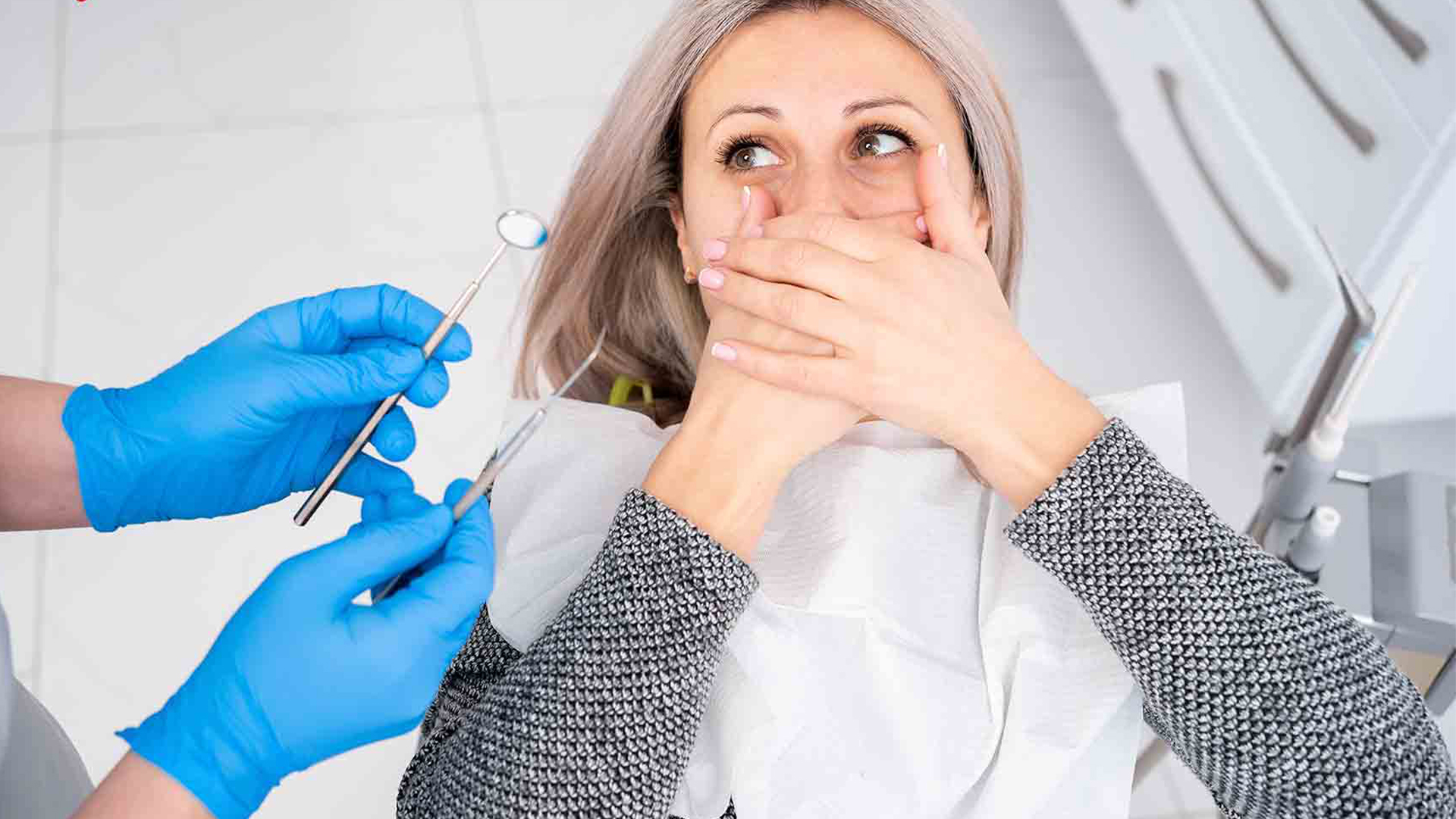
If the thought of the dental chair makes your stomach drop, you are not a difficult patient. You are a nervous one, and nervous patients are some of the most common people I treat. Dental anxiety is not weakness or vanity. It is a wired-in survival response that, left unmanaged, keeps people away from care until a small problem turns into a painful one.
I have spent more than two decades watching anxious patients walk in braced for the worst and walk out wondering why they waited so long. This guide explains what actually drives the fear of the dentist, the dental anxiety tips that genuinely settle it, and where sedation dentistry fits in for people who need more than a few deep breaths.
What are the five main reasons behind dental anxiety?
Almost every case of dental anxiety I see traces back to one or more of the same five roots. Naming yours is the first step to managing it.
• A bad past experience. Pain that was not managed properly, or a dentist who rushed you. The brain stores that event, and the amygdala starts flagging the chair as a genuine threat.
• Loss of control. Lying back with your mouth open, unable to speak or see what is happening, removes every sense of being in charge. For many people that is the real trigger, not pain.
• Fear of pain and needles. The anticipation of the injection is usually worse than the injection itself, but the body cannot tell the difference in advance.
• Embarrassment. Worry about the state of your teeth, your breath, or being judged for how long it has been. Shame keeps more adults out of the chair than pain does.
• Learned fear. Anxiety absorbed from a nervous parent or a horror story, never from your own experience. You inherited the fear without ever earning it.
When any of these fire, your body launches a fight-or-flight response: racing heart, sweaty palms, a dry mouth, and a strong urge to cancel. That is physiology, not a character flaw. Once you understand the response, it becomes something we can work with rather than something to be ashamed of.
Why do my teeth feel nervous before a visit?
That on-edge, almost humming feeling some people describe as nervous teeth is usually your jaw, not the teeth themselves. Under stress your muscles tighten and you clench without noticing, which leaves the teeth feeling achy or sensitive before you have even sat down. Stress hormones also heighten nerve sensitivity, so a tooth that feels fine on a calm day can twinge on the morning of an appointment.
If you wake up with a sore jaw or worn teeth, anxious clenching may be a daily habit rather than a one-off. That is worth a conversation, because ongoing jaw tension and grinding has its own straightforward treatments.
How do you stop dental anxiety before an appointment?
The hours before a visit are when anxiety builds. A handful of practical dental anxiety tips can break the spiral before you reach the door.
• Book the first appointment of the day. The less time you spend in a waiting room rehearsing the worst, the better.
• Eat a proper meal first and skip the coffee. Caffeine mimics the exact symptoms of anxiety, a pounding heart and jitters, and low blood sugar makes both feel sharper.
• Agree on a stop signal before we start, usually a raised left hand. Knowing you can pause at any moment hands control back to you, which dissolves a huge part of the fear.
• Bring headphones and a playlist or podcast. Blocking the sound of the equipment removes one of the most common triggers.
• Bring a calm friend if it helps. A familiar face in the room steadies the nervous system in a way nothing else does.
Can you get rid of dental anxiety naturally?
For mild to moderate fear, often yes, and without any medication. Box breathing works in the chair: in for four counts, hold for four, out for four, repeat. Grounding helps too, planting both feet on the floor and naming five things you can see pulls your mind out of the panic loop.
The most reliable natural method is gradual exposure. Start with a simple check-up and clean before agreeing to any treatment. A few low-stakes visits where nothing hurts retrains the brain to stop treating the chair as a threat. This is also why we make a point of getting a child's first visit right, so the fear never takes hold in the first place.
Can your dentist tell when you are nervous?
Almost always. We read it before you say a word: hands gripping the armrests, shallow breathing, a clenched jaw, very short answers, and a pulse you can sometimes see ticking at the temple. Experienced dentists are trained to spot it because spotting it changes how we treat you.
Here is the part that matters most. We would much rather you tell us than try to hide it. There is no version of this where a nervous patient is a nuisance. The opposite is true. The patients who say nothing and white-knuckle through are the ones who end up avoiding care for years.
Once we know, everything shifts. We slow the pace, build in breaks, explain each step before it happens, and apply numbing gel before any needle. You can read more about how Dr Henny and the team approach care, because the right dentist makes the difference between dread and a routine appointment.
Is there medication for dental anxiety?
When breathing exercises and a gentle approach are not enough on their own, sedation dentistry bridges the gap. There are several options, and the right one depends on how severe your anxiety is and what the appointment involves.
Happy gas (nitrous oxide)
Inhaled through a small nose mask, happy gas takes the edge off within minutes and leaves your system almost as quickly. You stay awake and responsive, and most people can drive themselves home afterwards. It suits mild to moderate anxiety and is the lightest tool we reach for.
Oral sedation
A tablet taken before the visit leaves you drowsy and deeply relaxed but still able to respond. You will remember little of the appointment and you will need someone to drive you home. This works well for moderate anxiety or longer treatment sessions.
IV sedation and sleep dentistry
For severe phobia, a strong gag reflex, or long and complex treatment done in one sitting, deeper sedation lets you drift into a twilight state or sleep through the appointment entirely, with little or no memory of it. If this is what you need, our sleep dentistry service explains how it works, and this account of how we help anxious patients finally get care shows what it looks like in practice.
One honest point. Sedation is a tool, not a cure. The goal is to get you comfortable enough to receive the care you need now, and ideally to build enough trust that you eventually need less of it over time.
What is the most feared dental procedure, and how do we make it easier?
When patients rank their fears, extractions, root canals, and the injection itself sit at the top. The fear is nearly always about pain, and technique has moved a long way from what most nervous adults are picturing.
Take an extraction. Once the area is fully numb, most patients rate the experience far lower than they expected, often a two or three out of ten for pressure rather than anything sharp. We apply numbing gel before the needle, deliver the anaesthetic slowly, and check you are numb before starting. If you are facing wisdom tooth removal, knowing exactly what each stage feels like takes most of the dread out of it.
Pain and fear are at their worst together in an emergency. If you are in pain right now and frightened, do not wait it out. Our emergency dentistry team will get you seen and comfortable quickly, and we handle anxious patients every single day.
How do you tell your dentist you are scared?
The single most useful thing a nervous patient can do is say one sentence at the start: "I get really anxious at the dentist." That one line tells us everything we need to change how we work with you.
If you are not sure how to start, borrow a script. "Can you explain what you are doing as you go?" "I need to be able to stop if I raise my hand." "Can we just do a chat and a look today, nothing else?" Any of these is completely normal to ask for.
A first visit can be exactly that, a conversation and a gentle look with no treatment and no pressure. Many of our most loyal patients started precisely this way. When you are ready, you can book that first visit and tell us at the door that you are nervous.
Common questions from nervous dental patients
What is the best sedative for dental anxiety?
There is no single best sedative, because the right choice depends on how severe your anxiety is, your general health, and the procedure. Happy gas suits mild nerves and lets you drive home. Oral sedation handles moderate anxiety. IV sedation or sleep dentistry is reserved for severe phobia or long treatments. We assess this together rather than reaching for the strongest option by default.
Can a dentist tell if I am anxious?
Yes, usually within the first minute, from your posture, breathing, and grip on the chair. This is a good thing. The moment we know, we slow down, explain more, and add comfort measures like numbing gel and agreed stop signals. Telling us directly only makes that care better and faster.
How do I get rid of dental anxiety naturally?
For most people with mild to moderate fear, breathing techniques, grounding, and gradual exposure through low-stakes visits like a check-up and clean reduce anxiety significantly without medication. A dentist who explains every step as it happens builds the trust that makes the fear fade over time. Sedation stays available for the cases where natural methods are not enough on their own.
Is sedation dentistry safe for nervous patients?
Sedation dentistry is very safe when it is properly assessed and monitored. We review your medical history, choose the lightest option that will keep you comfortable, and monitor you throughout. For most nervous patients the bigger risk by far is avoiding the dentist for years, which turns minor issues into major ones.
Book a calm first visit at Kaleen Family Dental
Being a nervous patient does not mean going without care. It means choosing a dentist who treats the fear as seriously as the teeth. At Kaleen Family Dental, we move at your pace, explain everything, and never make you feel judged for how long it has been.
If dental anxiety has kept you away, start with a no-pressure chat. Call us on 02 6241 5941 or book your first visit online. We will also walk you through health funds and payment plans so cost is one less thing to worry about. Your calmer dental experience starts with a single, gentle appointment.