If you've cancelled more dental appointments than you've kept, or if you've been silently managing dental pain for months because walking into a clinic feels impossible, this post is for you. Dental anxiety is not a character flaw — it's a recognised response that affects an estimated one in six Australians severely enough to avoid care altogether. At Kaleen Family Dental Surgery, sleep dentistry is one of the most meaningful services we offer, because it gives people who've written off their dental health a genuine way back in.
What Is Sleep Dentistry — And What It Isn't
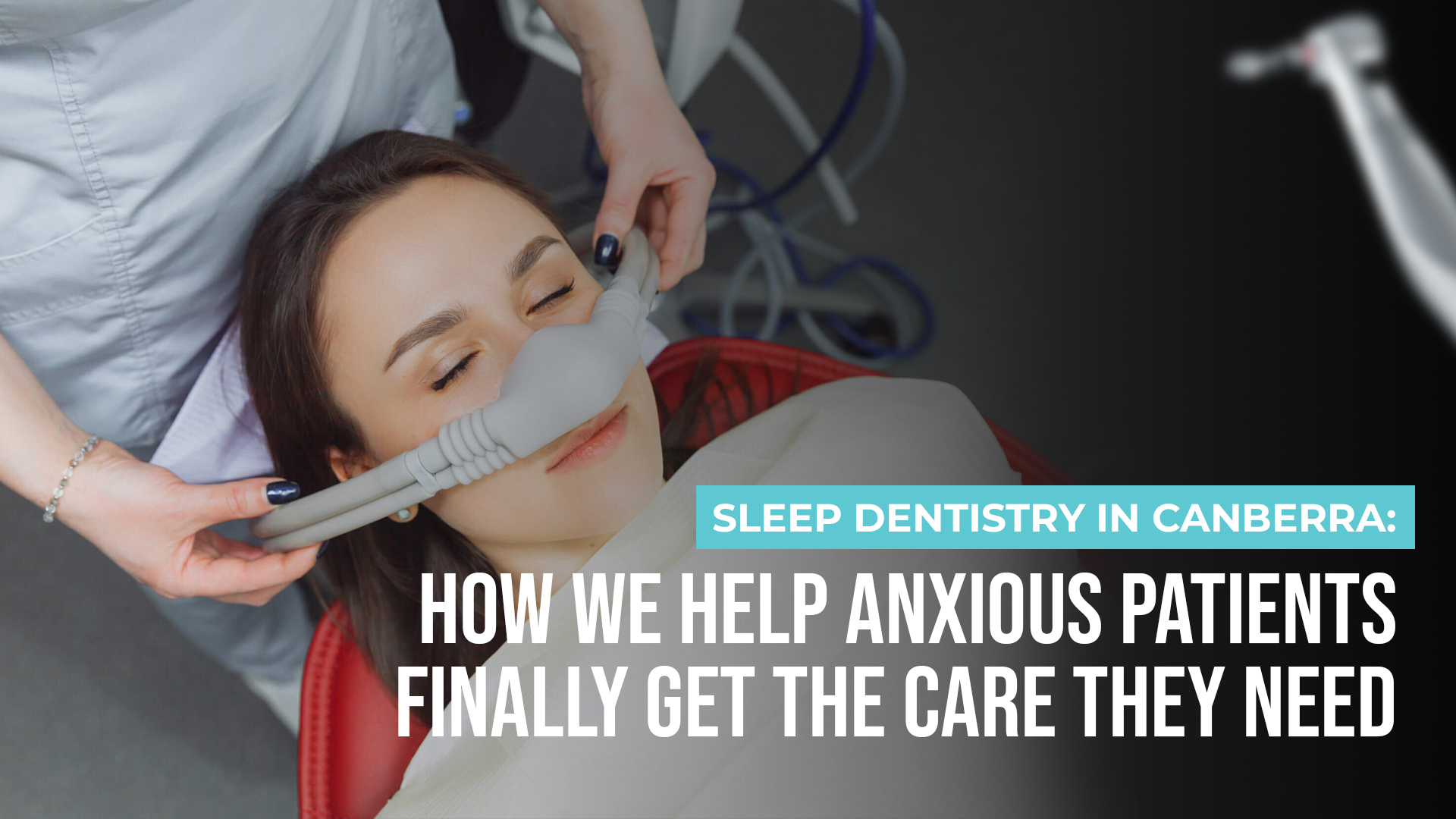
The term 'sleep dentistry' is widely used but sometimes misleading. Most patients who undergo dental sedation are not fully unconscious in the way you'd be under a general anaesthetic for surgery. The experience is better described as deeply relaxed — most patients have little to no memory of the procedure and feel calm and disconnected from what's happening, without being asleep in a clinical sense.
At Kaleen Family Dental, we offer sedation options that allow anxious patients to receive dental treatment they would otherwise be unable to tolerate. This is life-changing for patients who've delayed treatment for years and now have significant work needed — work that can often be completed in far fewer appointments under sedation than it would be otherwise.
Why People Develop Dental Anxiety — And Why It Escalates
The Cycle of Avoidance
Dental anxiety often begins with a single painful or frightening experience — frequently in childhood. Over time, the avoidance itself makes things worse. Delayed treatment means more extensive and complex dental problems, which then feel more threatening. The person knows they need to go; the anxiety grows precisely because they know how much has accumulated.
Specific Triggers We See Most Often
Fear of pain, the sound of the drill, the feeling of loss of control in the dental chair, embarrassment about the state of their teeth after years away — these are the triggers we see most consistently. Some patients have strong gag reflexes that make treatment physically difficult regardless of anxiety. Others have had dismissive or rushed experiences at other clinics that hardened their avoidance. We hear these stories regularly, and we take them seriously.
What to Expect When You Call About Sleep Dentistry
The first step is a conversation — not a procedure. When an anxious patient contacts our clinic, the first priority is to understand what's driven their avoidance and what kind of support they need. We don't rush patients from this phone call into a chair. Some anxious patients come in for a 'look around' appointment first — just to see the space, meet the team, and leave without any treatment happening. This builds trust before clinical contact begins.
When you're ready to proceed, we'll take a thorough medical history to confirm sedation suitability, discuss the treatment that's needed, and create a plan that manages both the clinical work and your comfort. You set the pace. We've built that into the way we work.
Sleep Dentistry and the Dental Backlog Problem
One of the practical reasons sedation dentistry is so valuable is efficiency. A patient who would normally require six to eight standard appointments to address years of deferred treatment can often complete that work in two or three longer sedation appointments. For someone with dental anxiety, fewer visits means fewer opportunities for anxiety to build and fewer chances to cancel.
After the backlog is cleared, many patients find that maintaining regular six-monthly check-ups and cleans — shorter, less invasive appointments — becomes manageable without sedation. Getting through the backlog is the hardest part. We've seen it transform patients' relationships with their dental health entirely.
You Won't Be Judged at Kaleen Family Dental
One of the most common things anxious patients say when they finally come in is that they're sorry about the state of their teeth, or that they know they should have come sooner. We want to be unambiguous about this: we are not in the business of making patients feel worse about decisions they've already made. We're here to help from where you are today, not from where you should have been five years ago.
Teeth can be restored. Gum disease can be treated. What we cannot fix is the years a person spends not smiling, not eating comfortably, or not going to a dental clinic because the fear feels insurmountable. Sleep dentistry removes that barrier.
Frequently Asked Questions About Sleep Dentistry in Canberra
Q: 1 Is sleep dentistry safe?
When properly assessed and administered by trained practitioners, dental sedation is safe and widely used. A thorough medical history review is completed before any sedation is prescribed. Certain medical conditions or medications may affect suitability — this is assessed at your consultation. Our team follows all relevant clinical safety protocols.
Q: 2 Will I feel any pain during sedation dentistry?
Local anaesthetic is still used alongside sedation to ensure the treatment area is numb. The sedation manages anxiety and awareness; the local anaesthetic manages pain sensation. Together, they mean most patients feel and remember very little of the procedure.
Q: 3 How much does sleep dentistry cost in Canberra?
The sedation component adds to the treatment cost, but the efficiency of completing more work per appointment can reduce the total number of appointments needed. Exact costs depend on the treatment required and the sedation level. We provide a full written estimate at your consultation, and flexible payment options including Afterpay are available.
Q: 4 Can children have sleep dentistry?
Sedation for children is available but requires specialist assessment. For children with significant dental anxiety or those needing extensive treatment, we can discuss appropriate referral pathways for paediatric sedation. Our standard approach with anxious children involves a gradual, positive introduction to dental care in the first instance.
If dental anxiety has kept you or someone you care about away from the care you need, please call Kaleen Family Dental Surgery. The first conversation costs nothing. You don't have to be ready for treatment — just ready to talk. Call or book an initial consultation online. Monday to Friday 8am–5pm, Saturday 8am–1pm.