
Flexible dentures are better for some people, but they are not simply better across the board, and it would be misleading to say otherwise. They are more comfortable, lighter, and more discreet because they have no metal clasps, which makes them a popular choice for replacing a few teeth.
Traditional dentures, made from rigid acrylic or a metal framework, tend to last longer, are easier to adjust and repair, and suit a wider range of cases, including full sets of teeth. So the real answer depends on what you are replacing and what matters most to you, comfort and looks on one side, durability and flexibility of treatment on the other.
Each has a clear place, and the best choice comes down to your mouth and your priorities rather than one being the obvious winner.
What flexible dentures are
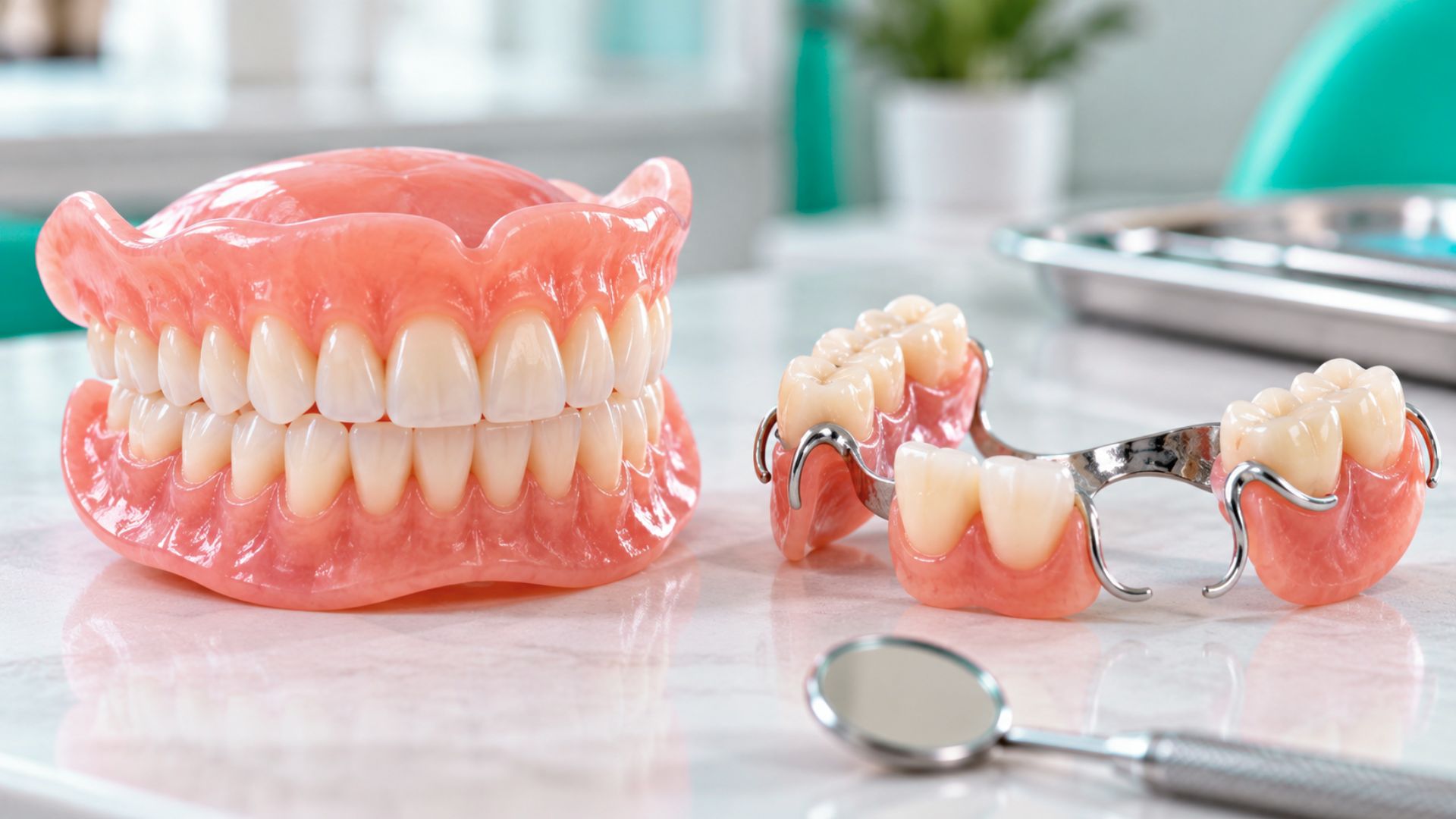
Flexible dentures are made from a thin, bendable nylon-based plastic rather than the harder materials used in conventional plates. The base is gum-coloured and slightly see-through, so it blends naturally against your own gums, and crucially it holds the denture in place using flexible gum-coloured extensions instead of the visible metal clasps a traditional partial often uses.
They are almost always used as partial dentures, filling the gaps where some teeth are missing while your natural teeth remain. Because the material flexes and grips gently around your existing teeth and gums, many people find them comfortable to wear and quick to get used to. The lack of any metal also makes them a good option for anyone with a metal sensitivity, or who simply dislikes the idea of clasps showing when they talk or smile.
What traditional dentures are
Traditional dentures come in two main forms, and both have been refined over decades of use. Acrylic dentures use a rigid pink plastic base and can replace a few teeth or a whole arch, which makes them the usual choice for a full denture. Cast metal partials use a slim, strong cobalt-chrome framework under the gum-coloured sections, which is light for its strength and very stable, though small metal clasps can sometimes be visible. The differences between the acrylic and metal versions sit within the broader picture of what dentures are and how each is built.
The defining quality of traditional dentures is rigidity. That firmness is not a flaw, it is useful. A rigid denture spreads biting force predictably, can be relined as your gums change shape over the years, and can often have a tooth added to it later if you lose another. Those practical advantages are a big part of why they remain the standard, especially for full dentures and for people who want a long-term, adjustable solution.
Where flexible dentures win
The appeal of flexible dentures is real, and for the right person they are excellent. Comfort is the headline. Because the material is thin and yields slightly against the gums, there are no hard edges digging in, and the denture can be less bulky than a rigid one, so it often feels more natural in the mouth. Many wearers adapt to them faster for this reason.
Appearance is the other major draw. With no metal clasps and a translucent gum-toned base, a flexible partial is genuinely hard to spot, which matters a lot when the gap is near the front of the mouth. They are also durable against breakage in one specific sense: the material does not snap the way rigid acrylic can if dropped, because it flexes instead. For someone replacing a small number of teeth who prizes comfort and a discreet look, and who may react to metal, flexible dentures are often the better fit.
Where traditional dentures win
The trade-offs of flexible dentures are where traditional ones pull ahead, and these matter more than they first appear. The biggest is adjustability. A flexible denture is difficult to reline or modify once made, so when your gums shrink over time, as they naturally do once teeth are gone, it often cannot be adapted and has to be remade instead. A rigid acrylic or metal denture can usually be relined to restore the fit, which can make it more economical over the long run despite a similar starting price.
Stability for heavy chewing is another point. A cast metal partial is extremely stable and transfers bite force efficiently, which some people find chews better than a flexible one that gives slightly under pressure. Traditional dentures also cover full-arch cases comfortably, whereas flexible dentures are rarely used for a complete set of teeth. Cleaning deserves a mention too, since the slightly textured surface of some flexible materials can be more prone to holding plaque and staining, so careful daily care matters. None of this rules flexible dentures out, it simply explains why traditional dentures remain the right call for many situations, particularly full dentures and longer-term plans.
Which is right for you
The honest way to choose is to match the denture to your situation rather than to a reputation. If you are replacing a few teeth, want maximum comfort and an invisible result, or cannot tolerate metal, a flexible partial is well worth considering. If you need a full denture, want something that can be adjusted and relined for years, or value stability for chewing, a traditional acrylic or metal denture is likely the stronger choice.
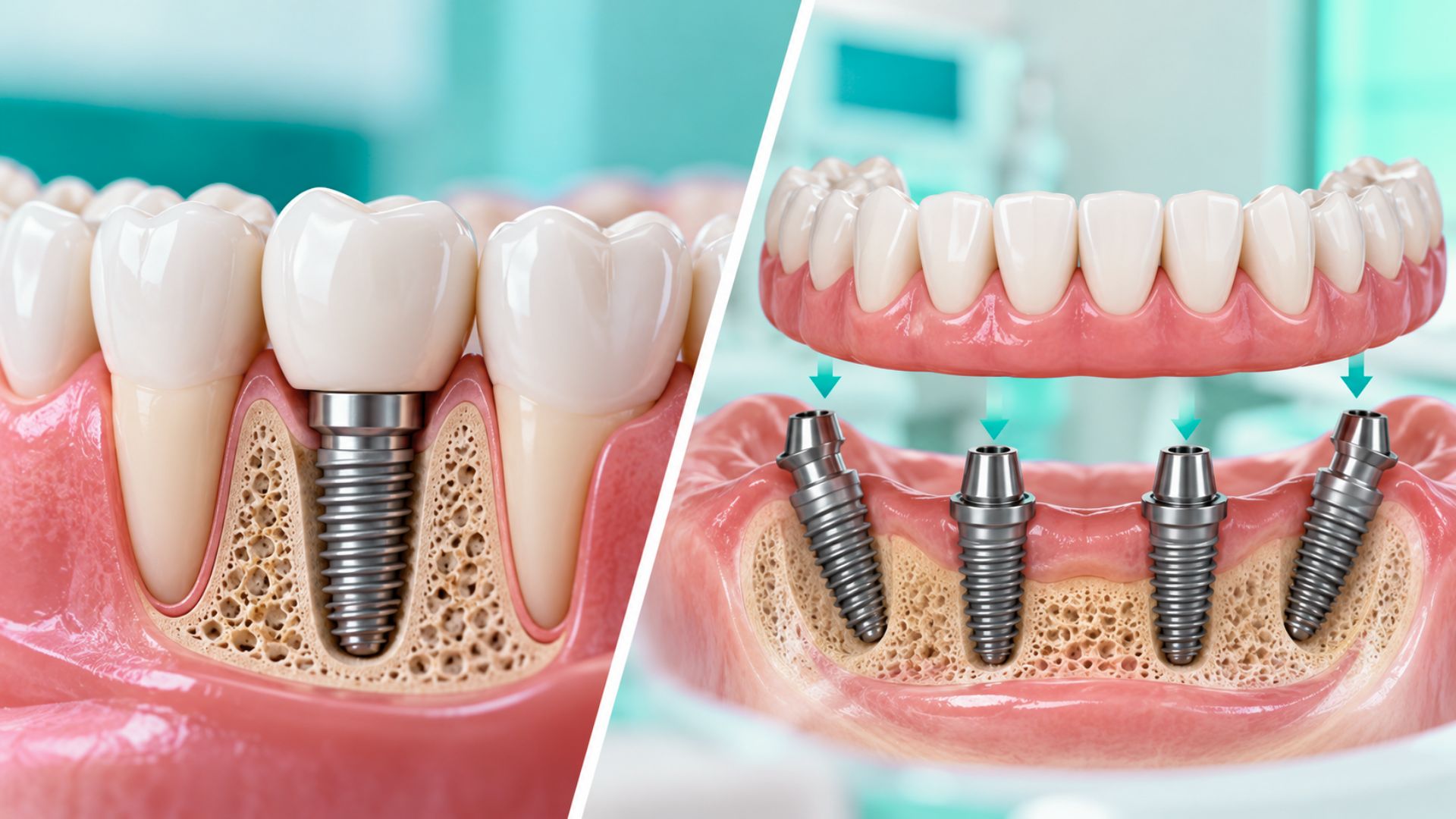
It is also worth remembering that dentures of any kind are a removable, gum-borne solution, and they are not the only path. A fixed dental bridge can replace a small gap without coming out, and dental implants replace the tooth root itself for a fixed, natural feel that also protects the jawbone, with a middle option where a denture clips securely onto a few implants as described in how a denture implant works. Weighing a flexible denture against a traditional one is really one part of the wider decision set out in implants, dentures, or a bridge, and an in-person assessment is what turns all these options into a clear recommendation for you.
Frequently asked questions
Are flexible dentures more comfortable than traditional ones? For many people, yes. The thin, bendable material has no hard edges and grips gently around the gums and natural teeth, so flexible dentures often feel less bulky and are quicker to adjust to. Comfort is personal, though, and a well-fitted traditional denture suits plenty of people just as well, so a proper fitting matters more than the material alone.
Do flexible dentures last as long as traditional dentures? Not usually. Because flexible dentures are hard to reline when your gums change shape, they often need replacing sooner, while a rigid acrylic or metal denture can frequently be adjusted and relined to extend its life. That can make traditional dentures more economical over time, even though the upfront cost of the two is often similar.
Can flexible dentures replace all my teeth? Rarely. Flexible dentures are designed mainly as partial dentures, filling gaps while your natural teeth hold them in place. For a full arch with no remaining teeth, a traditional acrylic full denture or an implant-supported option is almost always more suitable, since a flexible full denture has little to grip and tends to be less stable.
Are flexible dentures worth the cost? They can be, especially if comfort, a clasp-free look, or a metal sensitivity are priorities for you. The value depends on your case, since their harder-to-adjust nature can mean earlier replacement. For a few front teeth where appearance matters most, many people feel they are worth it, while for a long-term or full-arch solution a traditional denture often offers better value.