Dental treatment in Australia covers a wide range, from a routine check-up to major work like implants or braces. Routine and preventive care sits at the lower end, while treatments that rebuild or replace a tooth cost considerably more. There is no single price for any procedure, because the fee depends on the treatment, the materials, the complexity of your case, and what is included. The most reliable number is the one on a written quote from your own dentist after an examination.
Where treatments sit on the cost scale
Rather than fixed prices, it helps to think of dental treatment in three bands.
Routine and preventive care.
Examinations, scale and clean appointments, x-rays, fluoride, and fissure sealants. These are the least expensive appointments you will have, and most extras policies contribute towards them.
Restorative care.
Fillings, extractions, and wisdom tooth removal. The cost moves with the size of the problem, the tooth involved, and whether the procedure is simple or surgical.
Major and replacement work.
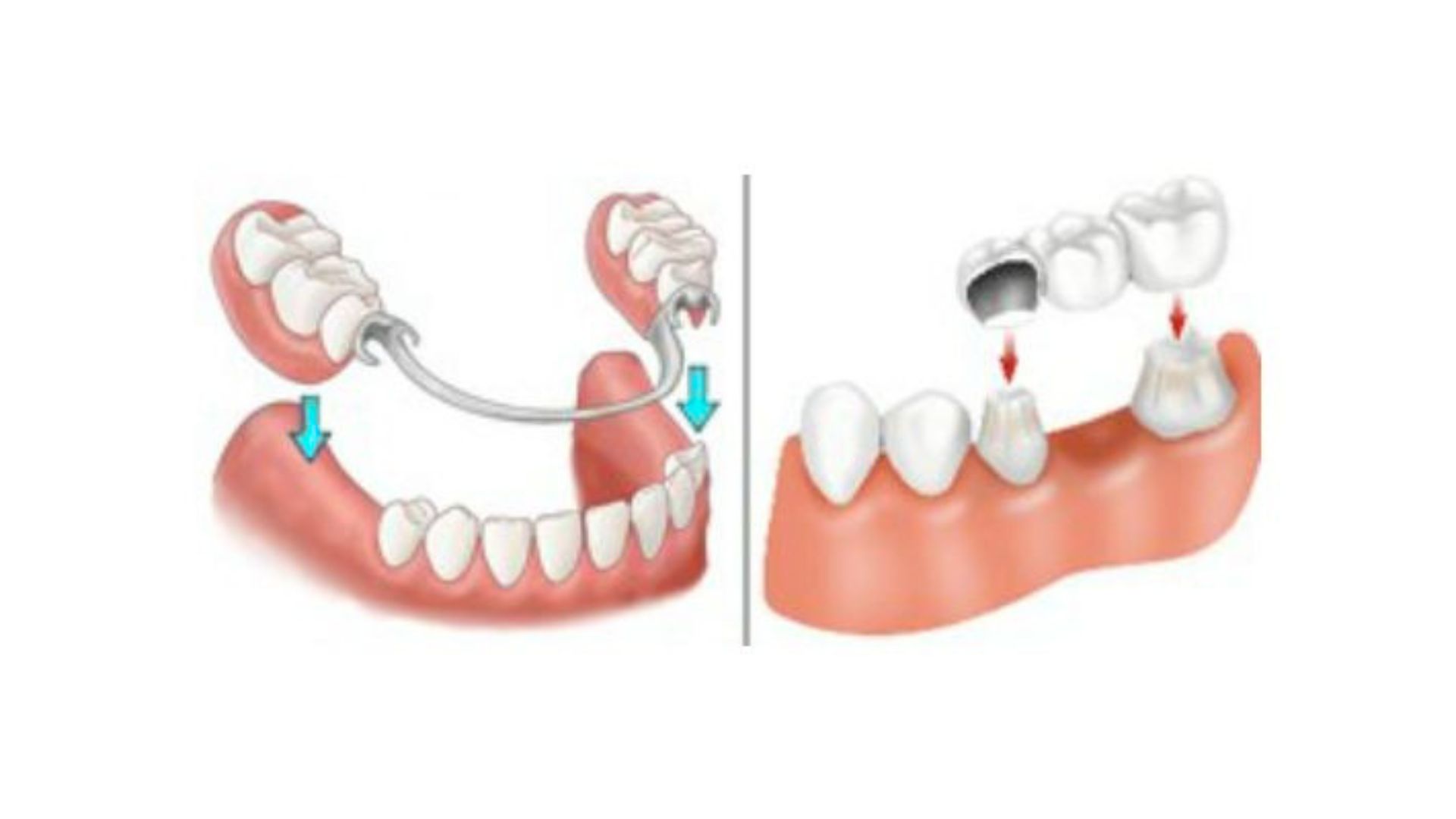
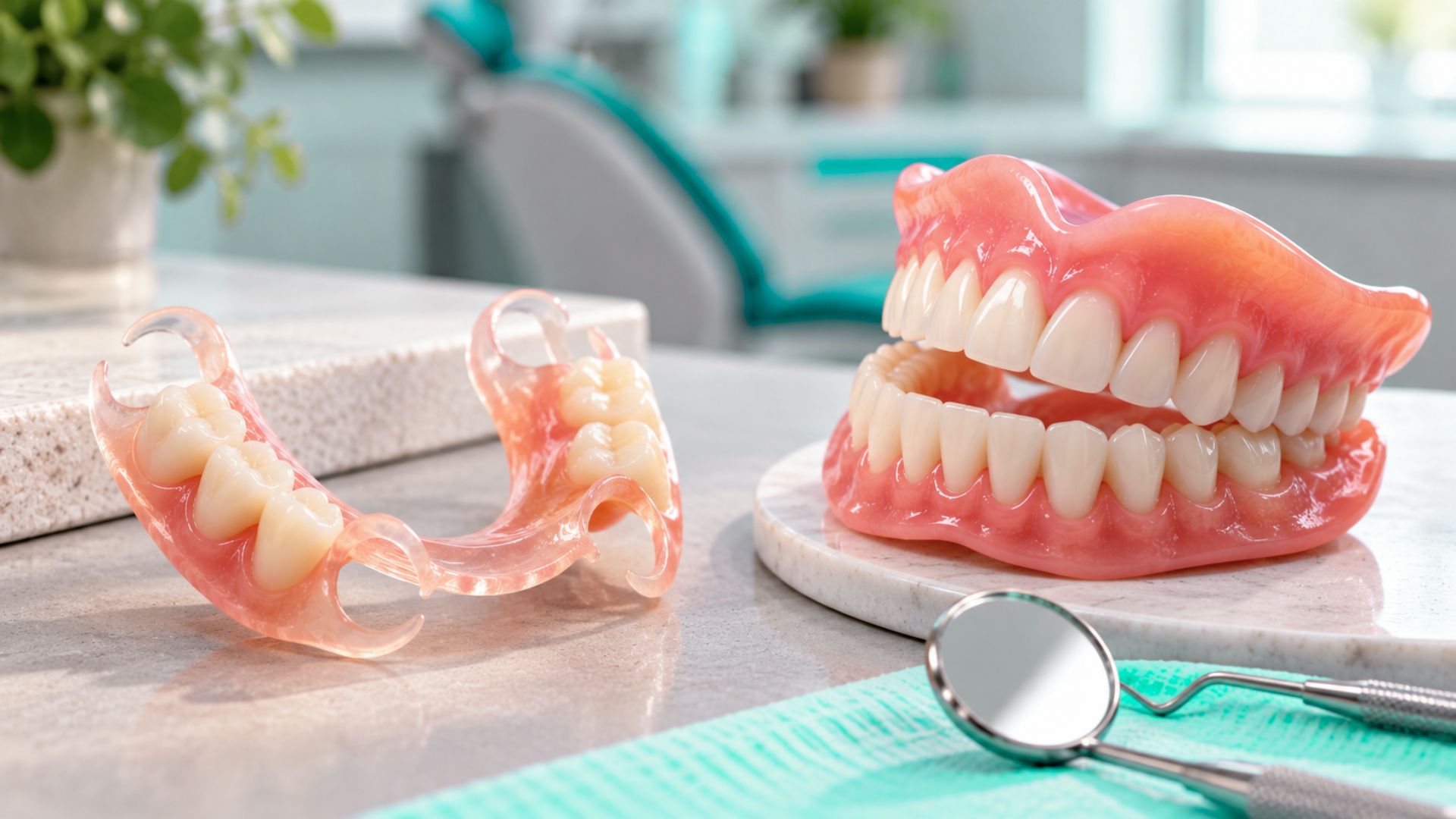
Root canals, crowns, bridges, dentures, implants, veneers, and orthodontics. These involve more appointments, laboratory work, and materials, and sit at the top end of the range.
The pattern is what matters. Care is inexpensive while a problem is small, and climbs steeply once a tooth needs rebuilding or replacing. That gap is the single most useful thing to understand about dental costs.
Why dental prices vary so much
Two people can be quoted very different amounts for what sounds like the same treatment, and there are good reasons for it.
The size and complexity of the problem.
A small filling is quick; a large one, or a root canal on a molar with several canals, takes far more time and skill.
The materials.
Tooth-coloured composite, porcelain, and titanium all cost more than older, cheaper materials, and premium labs cost more than budget ones.
What is included.
A quote may or may not include the examination and x-rays that found the problem. Always ask what the figure covers.
Location and the clinic.
Running costs differ between cities and suburbs, and a highly experienced dentist may charge more.
Public versus private.
Most people pay private fees, but concession card holders can access lower-cost public dental care, usually with a wait.
How to get an accurate quote
Because so much depends on your individual case, the only way to know what your treatment will cost is to have it assessed. At your appointment we will examine the tooth, take any x-rays needed, and talk you through the options before anything is booked. You will receive an itemised written quote covering the treatment plan, what is included, and your likely out-of-pocket amount after any health fund rebate.
If you would like a figure before you commit, call the clinic on (02) 6241 5941 or book an appointment online and ask for a treatment plan and quote. There is no obligation to proceed.
Preventive care is the cheapest dentistry there is
A check-up and clean is one of the least expensive appointments in dentistry, while the treatments that follow neglected problems are among the most expensive. A cavity caught early is a straightforward filling. Left too long, the same tooth can need a root canal and a crown, or an extraction and then an implant to replace it, at many times the cost.
That is why regular visits are the best value in dentistry. You are not just paying for a clean, you are paying to catch the expensive problems while they are still small ones. For the same reason, treating a cracked or aching tooth promptly as an emergency usually costs less than waiting for it to worsen.
What Medicare and health funds cover
This is where a lot of the confusion, and the cost, comes from. Medicare does not cover most dental treatment for adults. There are limited exceptions, such as the Child Dental Benefits Schedule for eligible children and some public schemes for concession card holders, but for the average adult, dental is largely out of pocket.
Private health insurance is the main way people offset the cost. An extras policy pays a rebate towards general treatments like check-ups, cleans, and fillings, and higher levels contribute to major work like crowns, bridges, and implants, though always with annual limits and waiting periods. Purely cosmetic treatments, like veneers or whitening done just for appearance, are generally not covered at all. It is worth checking what your fund pays before you commit to anything major.
How to manage the cost
Big dental bills are more manageable than they first look. A few practical steps help:
Use your health fund.
If you have extras cover, time your treatment to make the most of your annual limits. We claim on the spot with HICAPS.
Ask about payment plans.
Interest-free plans can spread larger treatments over months.
Get a written quote.
For anything major, ask for an itemised quote and what your out-of-pocket amount will be after any rebate.
Prioritise.
If you need several things done, your dentist can help you sequence them, tackling urgent problems first and spreading the rest.
Do not skip prevention to save money.
It is the false economy that leads to the biggest bills.
Frequently asked questions
How much does dental treatment cost in Australia? It depends entirely on the treatment and your case. Routine care such as a check-up and clean sits at the lower end, while major work like a crown, root canal, implant, or braces costs considerably more. The only accurate figure is a written quote from your dentist after an examination.
Why will not a clinic quote me over the phone? Because the fee depends on what is actually happening in your mouth. The same treatment can be simple or complex depending on the tooth, the extent of the damage, and the materials used. We are happy to give you an itemised quote once we have examined the tooth.
Is dental treatment covered by Medicare? Mostly no. Medicare does not cover general dental for adults. Exceptions include the Child Dental Benefits Schedule for eligible children and some public dental services for concession card holders. Most adults rely on private health extras or pay out of pocket.
What is the cheapest way to keep dental costs down? Prevention. Regular check-ups and cleans are inexpensive and catch problems while they are small and cheap to fix. Skipping them tends to lead to the costly treatments, so consistent preventive care is the best way to spend less over time.