A custom fit mouth guard made by your dentist costs more than anything you will find at Chemist Warehouse and in most cases it is worth every dollar. The guard sits flush against every curve of your teeth, stays put during contact, and keeps an even thickness where it matters. A boil-and-bite does none of those things reliably. Here is what I actually see in the chair, what the fitting process involves, what it costs in Canberra, and when a chemist option is genuinely acceptable.
Key Takeaways
A custom fit mouth guard starts from a digital scan or physical impression of your own teeth — no two are alike.
Boil-and-bite guards are acceptable for young children who outgrow guards quickly; for adults grinding or playing regular contact sport, the fit gap is real.
Custom night guard cost in Canberra typically runs $400–$750 for a hard occlusal splint; sports guards usually sit between $180–$380 depending on the number of laminated layers.
Most private health extras policies contribute a rebate — ask your insurer which item code applies before you book.
The fitting appointment at Kaleen Family Dental Surgery takes roughly 20–30 minutes; the finished guard usually comes back from the dental laboratory within 1–2 weeks.
What Does "Custom Fit" Actually Mean?
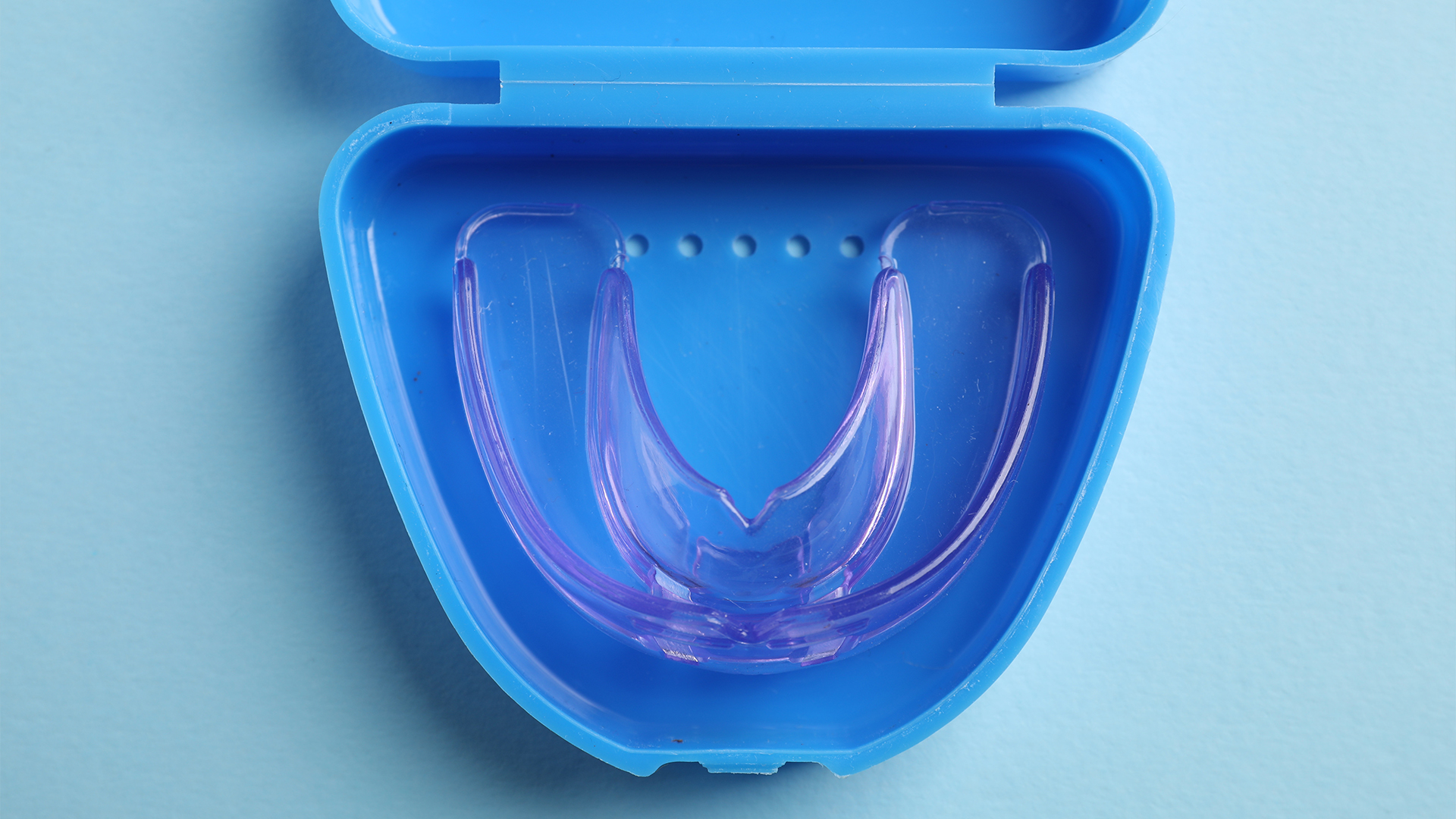
When a dentist says custom fitted mouthguard, they mean a guard built from a physical record of your bite either a traditional alginate impression or a digital intraoral scan. That record goes to a dental laboratory, where a technician pressure-forms or mills ethylene vinyl acetate (EVA) or hard acrylic to the exact contours of your teeth. The result grips like a second skin. You cannot shake it loose with your tongue, it does not drop when you open your mouth mid-game, and the protective layer stays consistent in thickness because it was not shaped by the random force of biting down on warm plastic at home.
The boil-and-bite process works differently. You soften the thermoplastic blank in hot water and bite into it. The material deforms where you press hardest and stays thin at those points exactly where a real impact lands. The tray also widens to accommodate the pressure of your bite, which is why most people describe them as feeling bulky. Within a few months of use, clenchers tend to chew clear through the thin zones. I see this in the chair regularly: patients come in with a chemist guard that has a hole bitten through the molar area and wonder why their jaw still aches in the morning.
Boil and Bite vs Custom Mouthguard: The Honest Comparison
Feature | Boil-and-Bite | Custom (Dentist-Made) |
|---|---|---|
Fit | Rough approximation; loosens over months | Exact — grips every tooth surface |
Thickness consistency | Thin where you bit hardest | Even, specified by your dentist |
Comfort and speech | Bulky; many patients remove it mid-game | Slim profile; most people forget it is in |
Protection level | Adequate for occasional low-impact use | Required for grinding, braces, regular contact sport |
Lifespan | 3–12 months for adults; less for heavy grinders | 1–5 years with proper care |
Cost (AUD) | $15–$60 (pharmacy) | $180–$750+ depending on type |
Health fund rebate | No | Yes — check your extras level |
The cost gap closes when you factor in replacements and the price of fixing what an inadequate guard lets happen. A cracked molar that needs a crown runs $1,500–$2,500. A knocked-out tooth replaced with an implant runs considerably more. Seen that way, a custom guard is the cheaper option over a three-to-five year period.
What Is the Fitting Process at a Dentist?
Patients often assume getting a fitted mouthguard from a dentist is complicated. It is not. At Kaleen Family Dental Surgery in Canberra, the appointment runs as follows.
We start with a brief assessment of your bite and any existing wear or grinding damage. Then we take a full-arch impression or digital scan of your upper teeth this takes under five minutes and is not uncomfortable. You choose the thickness and, for sports guards, the colour. We send the record to the dental laboratory, and the finished guard comes back within one to two weeks. You return for a short fitting check where we confirm the guard seats fully and adjust any minor pressure points. That is the process from start to wearing it.
For a night guard (occlusal splint), the process is the same but we typically also examine how your teeth contact each other at rest and under load. A heavy bruxer someone whose jaw muscle activity is strong enough to crack teeth or dental work may benefit from a hard acrylic splint rather than a soft EVA one, because hard acrylic does not encourage the jaw to keep chewing through the night. Soft guards can actually increase grinding activity in some patients. This is the clinical nuance that chemist packaging never mentions.
Custom Night Guard Cost in Canberra: What to Expect
Custom night guard cost depends on whether you need a soft EVA splint or a hard acrylic occlusal splint, and how many laminated layers the laboratory uses.
Soft single-layer sports guard: approximately $180–$280
Dual-laminate sports guard (soft inner, hard outer): approximately $280–$380
Soft EVA night guard: approximately $350–$500
Hard acrylic occlusal splint (for heavy bruxism or TMJ management): approximately $450–$750+
I always give patients an exact quote before proceeding — these are typical ranges for Canberra, not a price guarantee. Many private health funds with general or major dental extras contribute a rebate toward a custom guard. The benefit varies by fund and annual limits, so the most reliable thing to do is call your insurer, give them item code 156 (mouthguard) or 071 (occlusal splint), and ask what you will get back. Our health funds and payment plans page sets out how rebates work at our practice.
Who Actually Needs a Custom Fit Mouth Guard?
The short answer: anyone for whom the consequences of the guard failing are serious. That includes adults and children playing contact or collision sports (AFL, rugby union, rugby league, hockey, boxing, basketball, netball), anyone diagnosed with bruxism or waking with jaw soreness and headaches, and anyone in orthodontic treatment with braces or clear aligners. People with existing dental work — crowns, veneers, implants — also have a strong interest in a guard that actually fits, because those restorations are expensive to repair or replace.
Children are a slightly different equation. A child in primary school who plays footy will outgrow a guard within a season as adult teeth come through. For very young children still losing baby teeth, a boil-and-bite is a reasonable stopgap you will replace frequently anyway. Once a child is in their mid-teens with most adult teeth established, a custom guard earns its cost through comfort and protection. A guard a child finds comfortable is a guard they will actually wear — and that is the whole point.
For patients whose grinding is driven by jaw muscle hyperactivity, a guard alone may not address all the symptoms. We sometimes pair a night guard with Botox for teeth grinding and jaw tension, which reduces the force of the clench and extends the life of the guard significantly. For patients who have already worn through the surface of their splint, our mouth splint care guide covers cleaning, storage and when to replace it.
The One Thing Most Guides Do Not Tell You About Soft Guards
Almost every article comparing boil-and-bite versus custom guards focuses on fit and cost. What they skip is this: a soft boil-and-bite night guard can make grinding worse in certain patients.
There is reasonable clinical evidence — and the American Academy of Sleep Medicine has touched on this — that soft, compressible occlusal surfaces can stimulate jaw muscle activity in people with sleep bruxism, particularly those who are primarily clenchers rather than grinders. When you give the jaw something to squeeze into, it squeezes. A hard, flat acrylic splint provides proprioceptive feedback that tends to interrupt that pattern. This does not mean soft guards are never appropriate; for sports protection or light grinding, they are fine. But for a patient who has already worn through two soft guards in 18 months and still wakes with a sore jaw, switching to a hard splint is often the answer. That is not something you learn from a chemist shelf.
How to Care for Your Guard So It Lasts
Rinse it in cool water before and after use. Clean it with a soft toothbrush and mild soap — not toothpaste, which is abrasive enough to scratch acrylic and create places for bacteria to hide. Air-dry it fully before storing it in a ventilated case. Keep it away from heat: a car on a Canberra summer afternoon will warp a guard in under an hour. Bring it to your regular dental check-up and clean so we can check for wear and confirm the fit has not shifted. For the full cleaning routine, our splint care page covers every method that is safe and every method that is not.
Frequently Asked Questions
How much does a custom night guard cost at a dentist in Canberra?
A custom night guard (occlusal splint) at a Canberra dentist typically costs between $400 and $750, depending on whether a soft EVA or hard acrylic material is used and the complexity of your bite. Most private health extras funds partially cover the cost — ask your insurer for the rebate on item code 071 before you book.
Is a boil-and-bite mouthguard good enough for teeth grinding?
For mild, infrequent grinding it can provide short-term relief. For anyone grinding hard enough to flatten teeth, crack dental work or wake with jaw pain, a boil-and-bite is not the right tool. It thins where you bite hardest, and in some patients a soft compressible guard actually increases grinding activity. A custom hard splint made by your dentist is the appropriate solution.
Can I get a mouthguard fitted at my regular dentist, or do I need a specialist?
Your regular dentist can provide custom sports guards and night splints — no referral to a specialist is required. Dr. Henny Purba at Kaleen Family Dental Surgery has been fitting custom guards since 1997 and handles both sports and grinding guards for patients across Canberra and the ACT.
How long does a custom mouthguard last?
A well-maintained custom sports guard lasts one to three years for adults; children typically need a replacement each season as teeth and jaws change. A hard acrylic night splint used by a moderate grinder can last three to five years with proper care. Heavy bruxers often wear through any guard faster bring it to your next check-up and we can assess it.
If you are based in Canberra and ready to get a proper custom fit mouth guard, call Kaleen Family Dental Surgery on (02) 6241 5941 or book an appointment online. The fitting takes one short visit; the guard arrives within two weeks.